

-
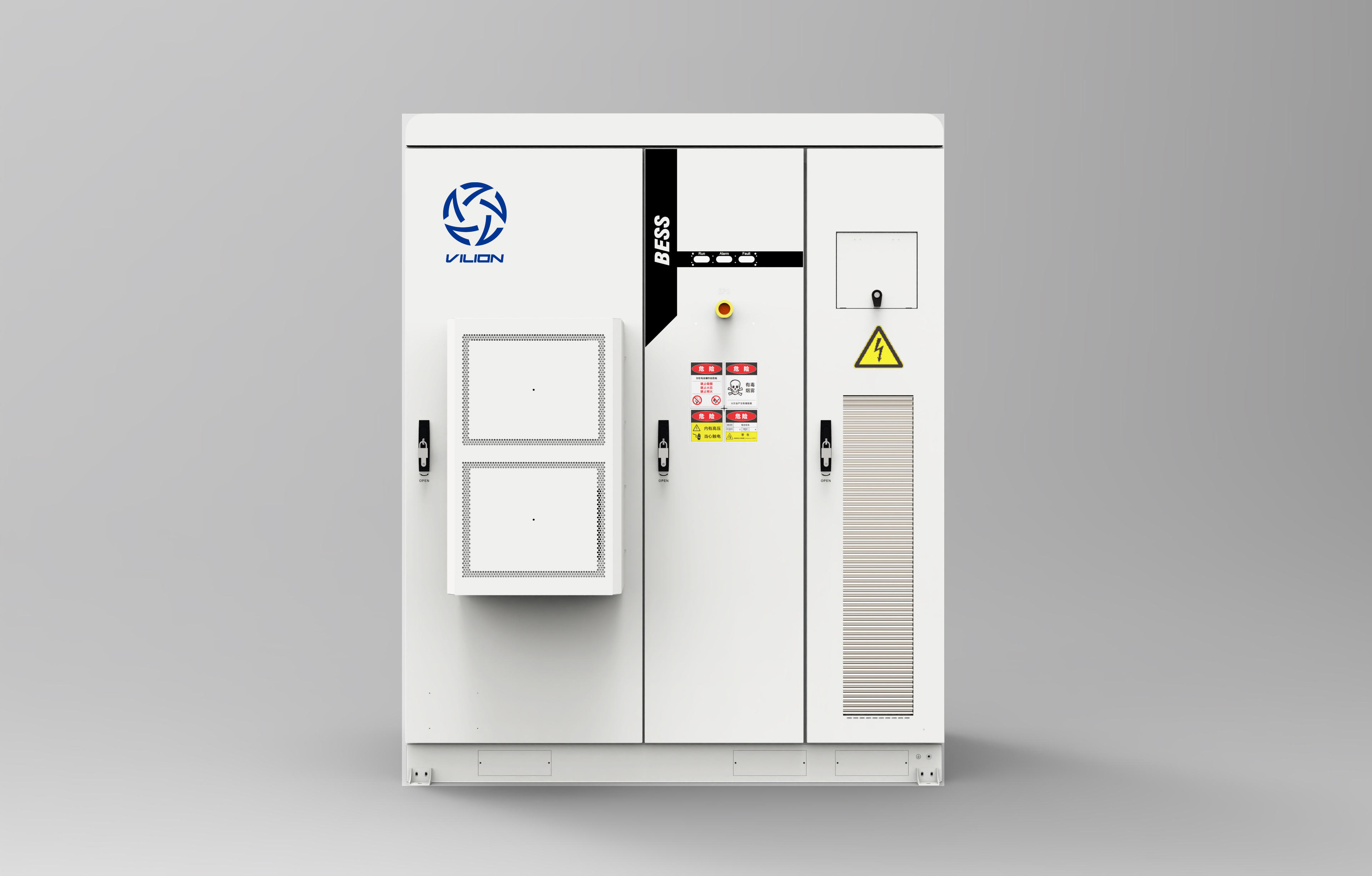
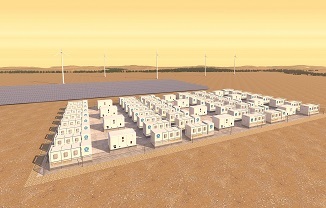
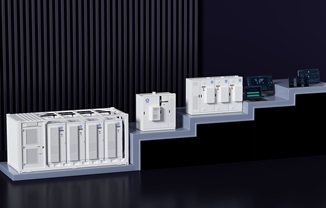
Battery ESSMaximize the value of renewables and energy storage by much safer and more professional products.
-
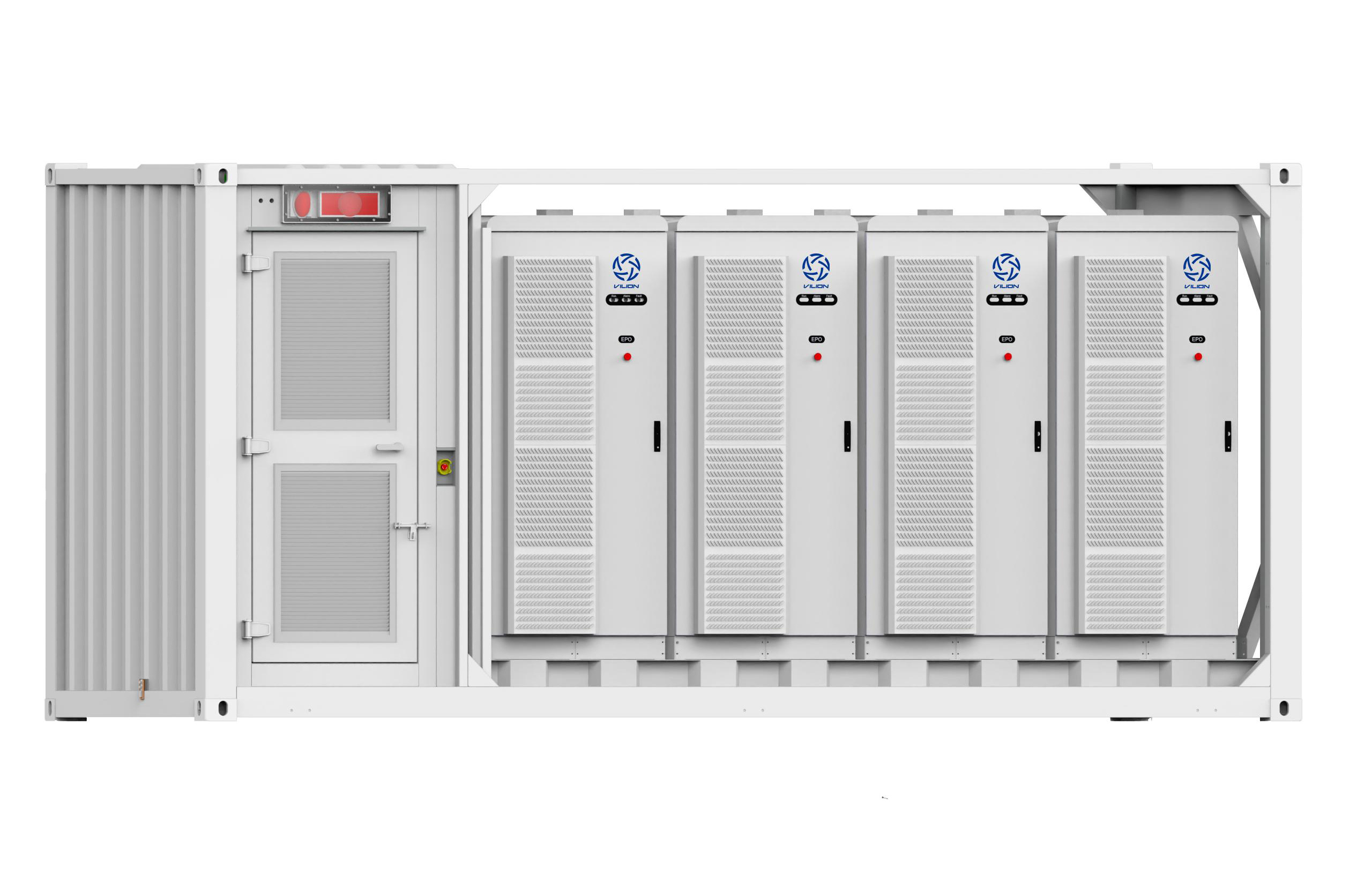
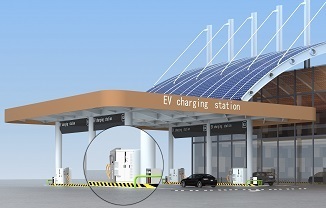
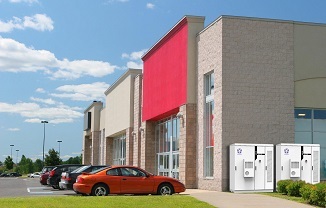
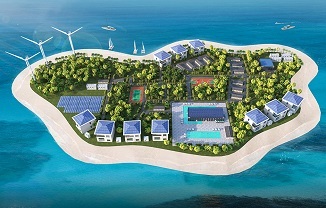
C&I SolutionsLaying the efficient, flexible and economical "smart energy sponge" with energy storage technology to realize green energy to flow on demand.
-
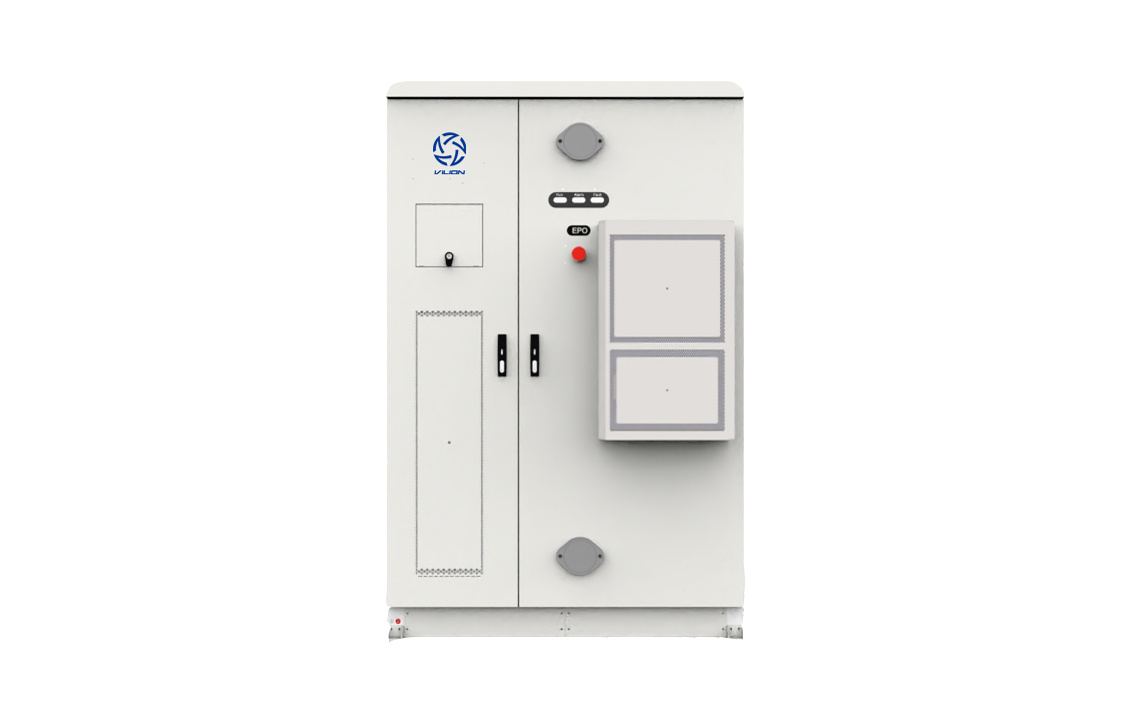
Technology & ServicePursuing a new energy world driven by technological innovation in the electricity and IoT.
-
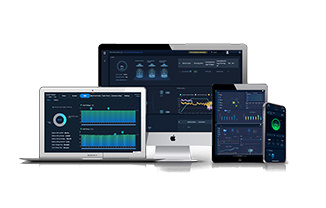
About VilionIndependent R&D, system integration, software development, O&M and dismantling&recycling, Vilion is a full life cycle partner.






2025-01-18
Vilion Participates Again in the UK Solar Energy Storage Project Development and Installation Training Event
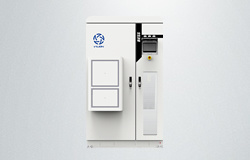
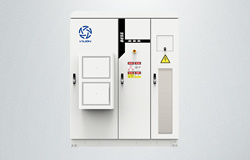
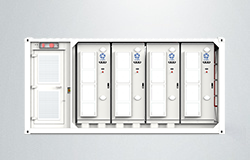
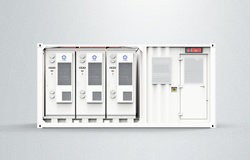
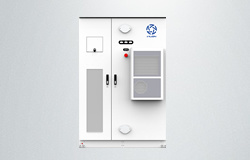
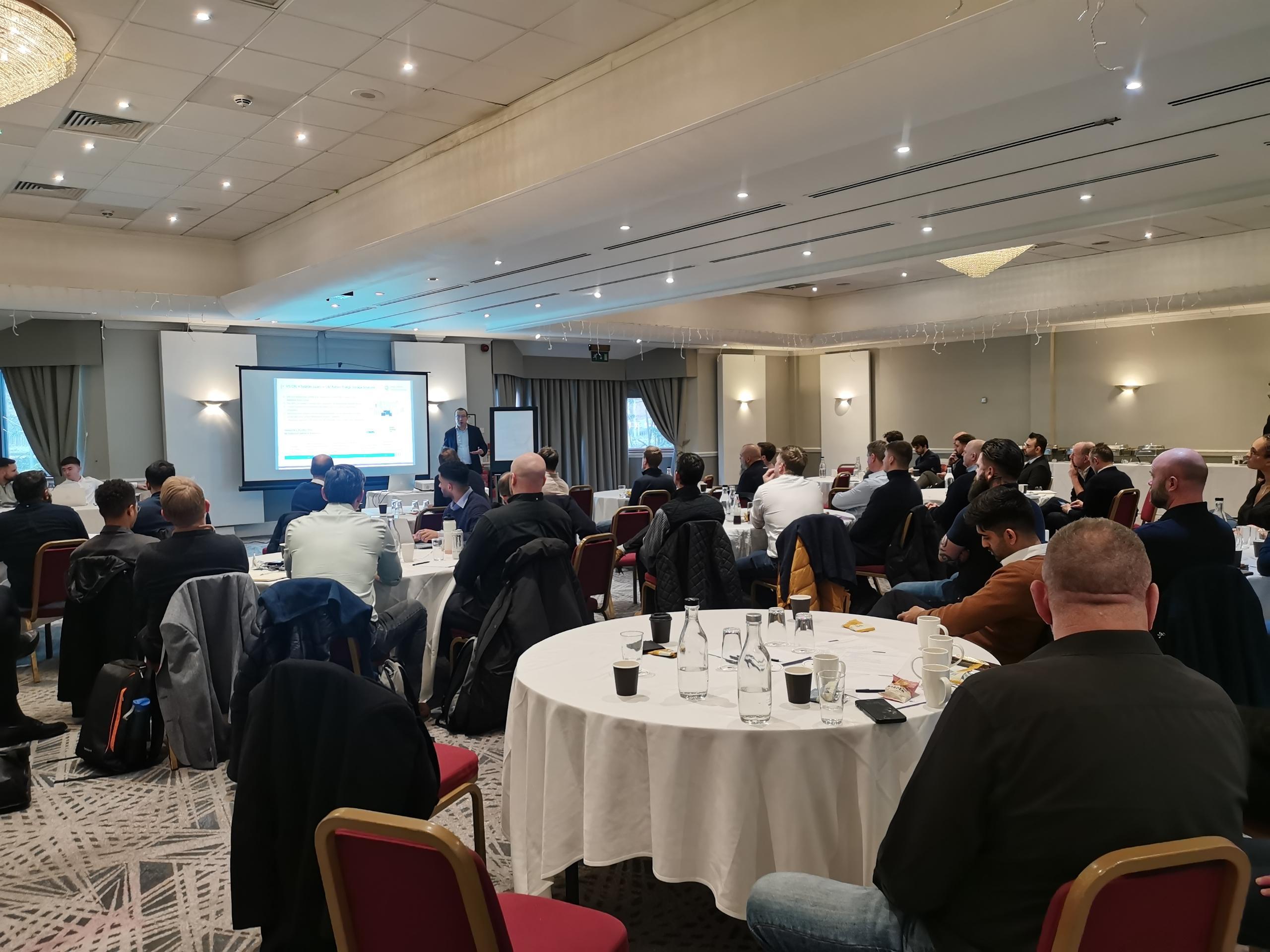
On January 15th, Vilion was once again invited to participate in the latest session of the Solar "Battery Installation Training & Accreditation Day" held at the DoubleTree by Hilton Elstree in London, UK. Mr. Donglei Fu, Sales Director of Vilion's Dutch subsidiary, and Mr. Dee Zhang, Product Development Director, showcased the company’s latest energy storage product series, technical solutions, and successful service cases across various European countries. They also highlighted the installation advantages of the EnerCube series containerized battery energy storage system and the EnerArk series integrated outdoor battery energy storage cabinets, which have generated significant interest among installers.
2025-01-03
Energy Storage Knowledge Class | Analysis of the Efficiency of C&I Energy Storage Systems
In the industrial and commercial sectors, energy storage systems are playing an increasingly crucial role, and system efficiency is one of the core indicators used to measure their performance. For companies that profit by arbitraging peak-valley price differences, the efficiency of the energy storage system directly impacts their economic benefits and return on investment (ROI).
2024-12-09
Energy Storage Knowledge Class | Synergistic Development of Photovoltaics and Energy Storage: Analysis of AC and DC Coupling Solutions and Application
The role of energy storage systems in addressing the intermittency and instability of photovoltaic (PV) power generation, as well as in improving energy utilization efficiency and reliability, has gained global consensus. With the growing global demand for renewable energy, technological advancements, and decreasing costs, the photovoltaics and energy storage (PV+Storage) industry is also experiencing unprecedented development opportunities.
A PV+Storage System typically includes solar panels, controllers, inverters, batteries, and loads. There are currently two main technological routes on the market: DC coupling and AC coupling. DC coupling refers to the connection of the energy storage battery and the photovoltaic modules on the DC side of an integrated PV+Storage system, where the energy gathering point is on the DC side. AC coupling, on the other hand, involves the connection of the energy storage system and photovoltaic system on the AC side, where the energy storage system (battery, energy storage inverter PCS) and photovoltaic system (solar modules, PV inverter) work independently, with the energy gathering point on the AC side (the diagram below shows schematic diagrams of DC coupling and AC coupling systems).
Currently, both DC coupling and AC coupling solutions have been widely applied in PV+Storage Systems, each with its advantages and disadvantages. From the customer's application perspective, the choice of coupling solution can be made based on the following analysis:
New Energy Storage Installations
If a user has already installed a photovoltaic system and needs to add an energy storage system, the optimal choice is: AC coupling solution.
New PV+Storage System Installations
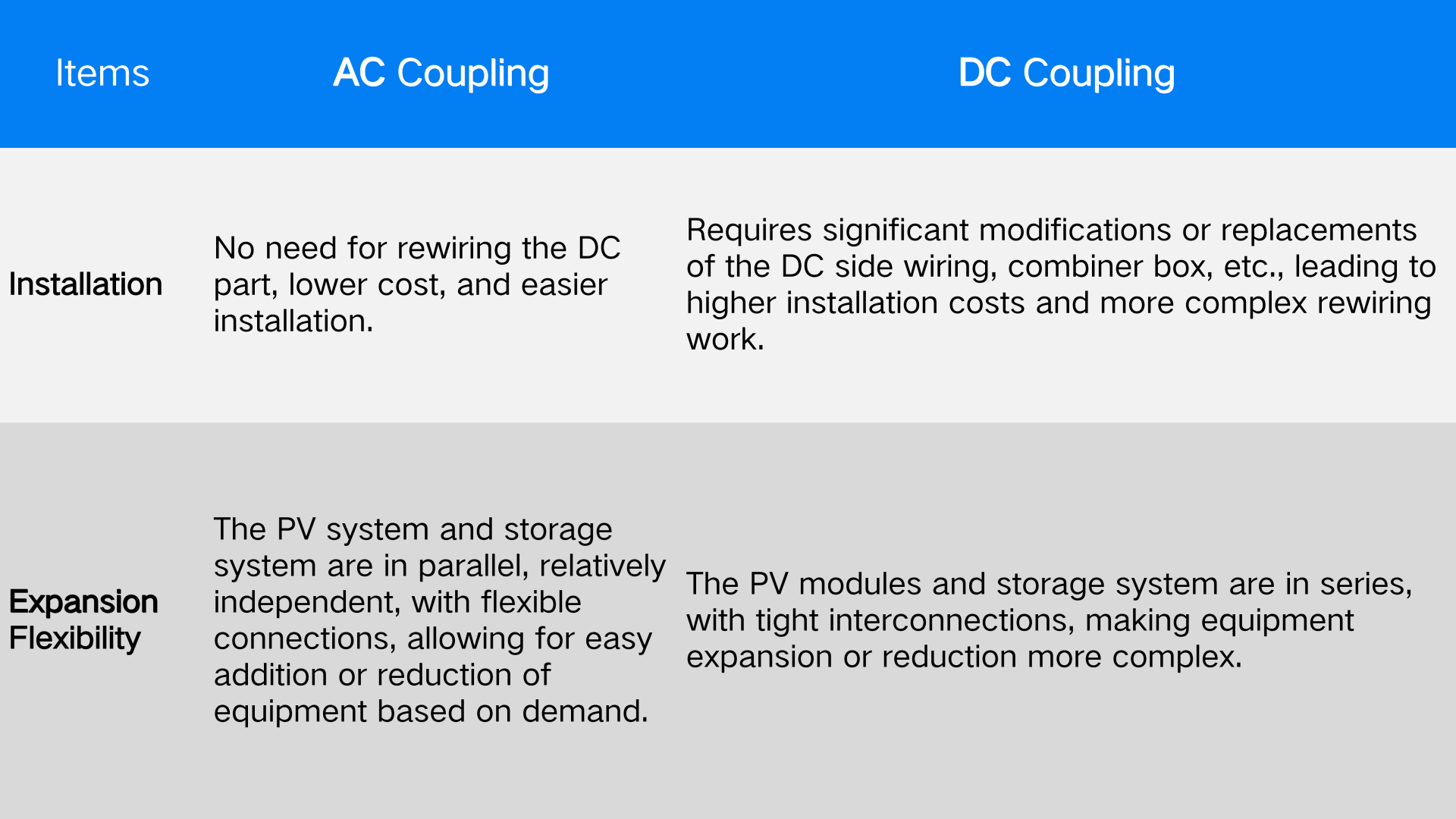
In terms of the distinction between DC coupling and AC coupling, the main differences are as follows:
Off-grid systems, especially in remote areas or microgrid applications with backup power, allow for PV, energy storage, and inverters to be designed according to the user's load capacity and energy consumption. DC coupling is more suitable for these systems, as the system control logic is simple and clear.
Larger PV+Storage Systems, such as those over 1MW, typically have more MPPTs, higher costs, and more complex installations. These systems tend to lean toward the use of AC coupling.
In conclusion, both AC coupling and DC coupling PV+ES systems have their own advantages and disadvantages at the application level. The appropriate coupling solution should be selected based on specific application scenarios, cost considerations, and system efficiency and energy management requirements.
Vilion provides specialized and customized PV+Storage System solutions. We offer a range of energy storage products that meet the needs of both AC and DC coupling applications for PV systems. These products have been widely adopted and highly praised in the markets of adding energy storage to existing PV systems and newly installed PV+Storage Systems. In the future, Vilion will continue to focus on promoting the high-quality collaborative use and development of photovoltaic and energy storage systems, contributing to the creation of greener, more flexible, and efficient energy systems.
2024-12-03
Vilion Showcases EnerArk Installation Advantages at UK Solar Battery Installation Training
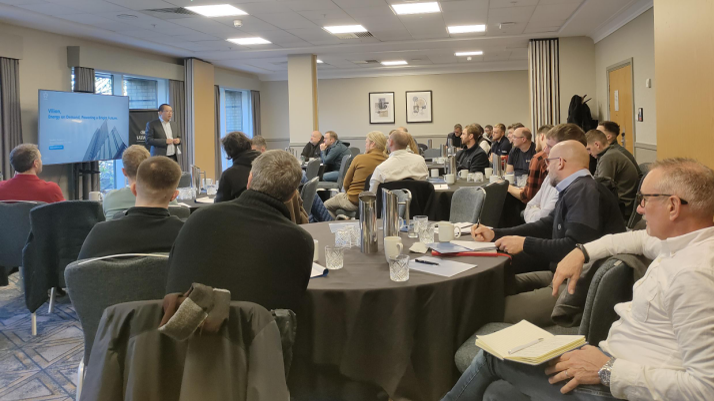
On November 28th, a Solar Battery Installation Training & Accreditation Day was held in Newcastle, UK, where industry professionals gathered for an in-depth training on energy storage systems. Mr. Donglei Fu, the GM of Vilion Tech B. V., was invited to attend and present at the event. During his presentation, Fu first introduced Vilion’s comprehensive energy storage product series, technological advantages, and battery storage cases across Europe. He then focused on explaining the performance features and installation benefits of the EnerArk integrated outdoor battery energy storage cabinet.
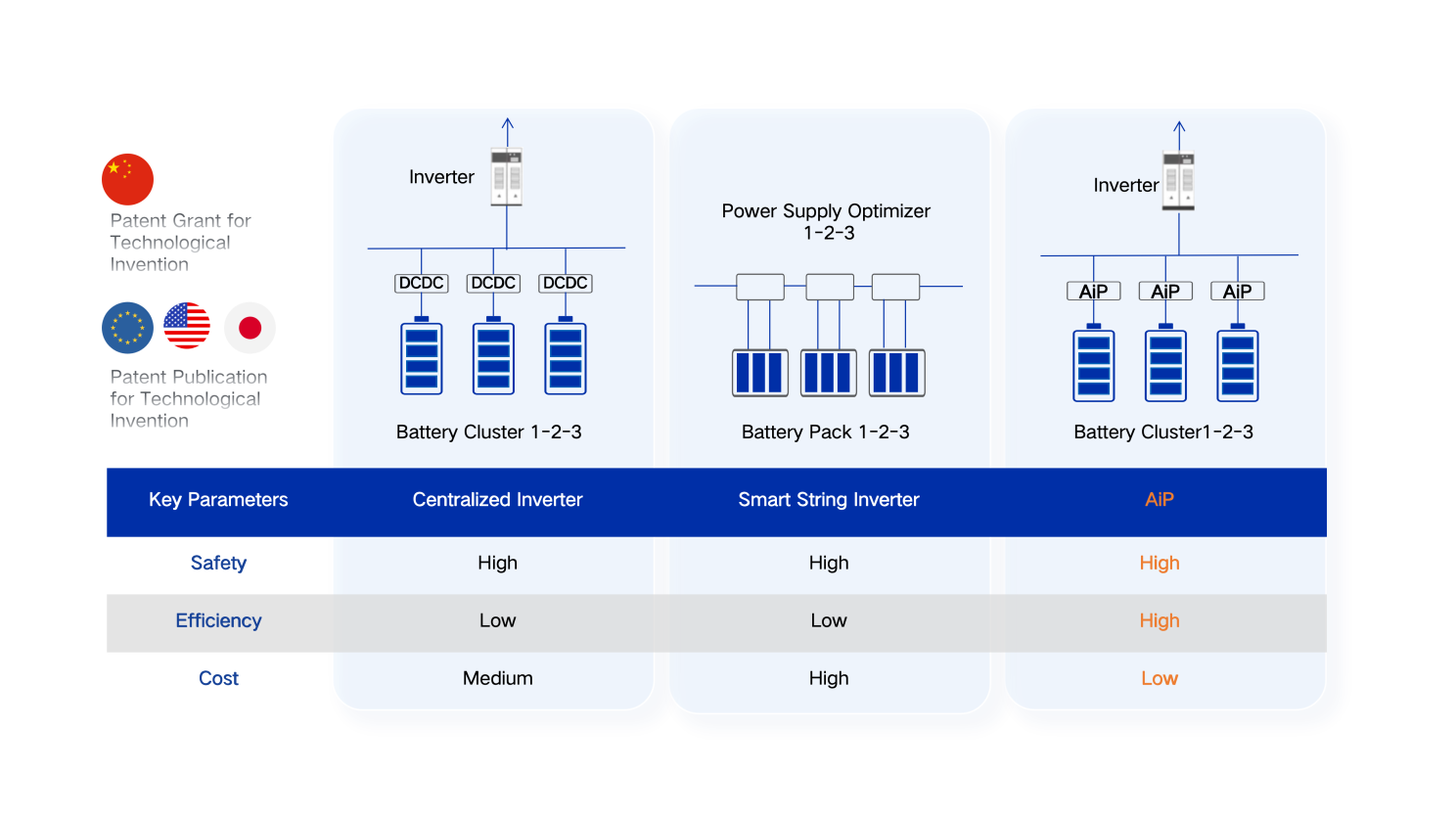
Fu emphasized that Vilion’s energy storage cabinets feature an All-in-One design and the unique AiP (Active in Parallel) Cluster-Level Balancing technology. The product boasts 5 layers of safety protection, 6 major testing modules, and over 70 safety design features. It supports diverse applications, including photovoltaic DC/AC coupling, off-grid and on-grid switching outputs, and parallel multi-unit configurations, covering scenarios such as energy trading, peak-shaving, capacity expansion, and frequency regulation and ancillary services. Paired with the company’s proprietary full-stack EMS (Energy Management System), the EnerArk units integrate seamlessly with BMS (Battery Management Systems) and PCS (Power Conversion Systems), enabling data upload to Vilion’s cloud-based storage management platform. The platform performs big data analytics, forecasting, and decision-making, optimizing control strategies for enhanced system performance and economic efficiency. Fu pointed out that EnerArk is highly tailored to the storage needs of European customers, and his detailed explanation of its structure and functionality provided attendees with a clear understanding of its advantages.
For the attending solar projects installation contractors, Fu also conducted a detailed training session on-site installation procedures. This covered from basic installation preparations, such as site requirements and tool kits, to specific installation steps, including securing the cabinet and connecting the wiring. He highlighted the efficiency of the EnerArk storage unit’s integrated design, ensuring that the product can be fully installed within just two hours from unboxing to final setup.
This training event further strengthened communication between Vilion and its European target customers, laying a solid foundation for the wider promotion and application of the EnerArk integrated outdoor battery storage series products across various sectors. Vilion is poised to continue contributing to the development of renewable energy and the decarbonization efforts in Europe, leveraging its product performance, ease of installation, and diverse application scenarios.
2024-11-29
Safety First, Responsibility Always—Vilon New Employee Safety Training
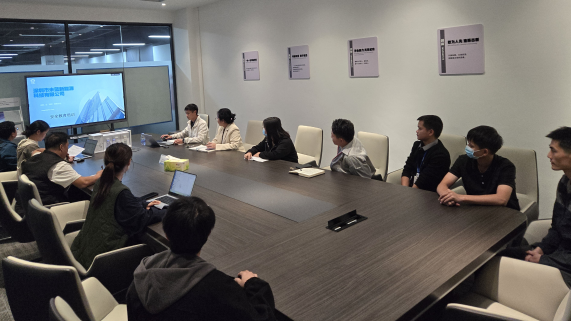
To strengthen employees' safety awareness and ensure the smooth progress of the company's operations, Vilion held a new employee safety training session as scheduled on November 25th. The training was led by Mr. Wang, Deputy Director of the Operations Center and Plant Manager of the Intelligent Manufacturing Factory. At the beginning of the training, Mr. Wang provided a detailed introduction to the company's internal safety regulations and clarified the safety requirements that new employees should follow in their daily work. From electrical safety in office areas to operational standards in production workshops, each regulation is based on the company's past experience and industry standards and is rigorously enforced to ensure employees work in a safe and orderly environment.
To strengthen employees' safety awareness and ensure the smooth progress of the company's operations, Vilion held a new employee safety training session as scheduled on November 25th. The training was led by Mr. Wang, Deputy Director of the Operations Center and Plant Manager of the Intelligent Manufacturing Factory. At the beginning of the training, Mr. Wang provided a detailed introduction to the company's internal safety regulations and clarified the safety requirements that new employees should follow in their daily work. From electrical safety in office areas to operational standards in production workshops, each regulation is based on the company's past experience and industry standards and is rigorously enforced to ensure employees work in a safe and orderly environment.
Next, the training focused on safety knowledge related to the energy storage business, including the characteristics of energy storage batteries, as well as proper storage, handling, and maintenance methods. Mr. Wang also emphasized the importance of strictly following installation procedures when working with electrical equipment to avoid accidents such as battery short circuits or electrical fires caused by improper operations. Throughout the training, Mr. Wang used numerous real-world case studies to illustrate the serious consequences of safety incidents. The cases of fires and explosions caused by negligence or improper operations served as a powerful warning, reminding new employees that safety awareness must be maintained at all times, and any lapse in vigilance could lead to irreparable consequences.
Through this training, new employees gained a comprehensive understanding of the company's safety regulations and developed a deeper recognition of the importance of safety. Vilion will continue to enhance safety management, ensuring that every employee can perform to their full potential in a safe working environment and contribute to the steady development of the company.

2024-11-20
Energy Storage Knowledge Class | Exploring the Application of PCC Auto On-off Grid Switching Cabinet
The power connection control auto on-off grid switching cabinet (abbreviated PCC switching cabinet) is an electrical device capable of automatically switching between grid-connected and off-grid states, that is primarily used in energy storage systems, emergency power supply systems, and other scenarios. The following is a detailed introduction to the PCC switching cabinet:
1、Working Principle
-Grid-Connected State: Under normal conditions, when the grid power supply is stable and meets the load requirements, the PCC switching cabinet connects the load circuit to the grid, allowing the loads to draw power from it. During this time, the energy storage system (if present) may operate in a charging state, storing electrical energy from the grid.
-Off-Grid State: In the event of grid failure, power outage, or substandard power quality, the PCC switching cabinet quickly detects these anomalies and automatically disconnects the loads circuit from the grid, switching it to a backup power source or energy storage system. This ensures uninterrupted and reliable power supply for critical loads even when the grid is unavailable.
2、Main Components:
-Switching Devices: Devices such as circuit breakers, cocontactors, and relays control the circuit's connection and disconnection. These devices must feature fast switching and reliable operation to ensure accurate and timely transitions during on-grid to off-grid switching.
-Monitoring and Control Module: Includes components like collectors and controllers. Collectors monitor parameters such as grid voltage, frequency, and phase in real time, as well as load conditions. The controller analyzes this information to determine if a switch between grid-connected and off-grid states is necessary, then controls the switching devices.
-Protection Devices: Such as over-current protection, over-voltage protection, and under-voltage protection, which safeguard the load and the transfer cabinet itself in case of circuit abnormalities.
3、Application Scenarios:
-Energy Storage Systems: In battery storage power stations and similar energy storage systems, the PCC switching cabinet manages the connection and disconnection between the energy storage system and the grid. During off-peak periods, the grid charges the storage system. During peak periods or grid failures, the storage system supplies power to the load via the PCC switching cabinet, achieving peak load shaving, enhancing power quality, and ensuring reliability.
-Emergency Power Supply Systems: Locations with high power reliability requirements, such as hospitals, banks, and data centers, are often equipped with emergency power sources and automatic PCC switching cabinet. When the utility grid fails, the PCC switching cabinet switches to the emergency power source automatically, ensuring normal operation of critical equipment.
-Distributed Energy Systems: In systems with distributed energy sources such as solar and wind power, the PCC switching cabinet can automatically switch to the appropriate power supply mode based on energy availability and load demand. This enables efficient energy utilization and ensures stable system operation.
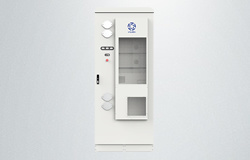
Vilion's independently designed PCC auto on-off grid switching cabinets offer a power range from 75 kVA to 375 kVA, featuring millisecond-level rapid response capability to provide users with a seamless power transition experience. With an IP54 waterproof and dustproof rating, these cabinets are suitable for outdoor use. In addition, the PCC switching cabinets boast the following features:
1、Performance:It provides high-precision energy metering, enabling accurate tracking of energy data during the charging and discharging processes of the energy storage system.
2、Connection Stability: With advanced connection technology and high-quality electrical components, the PCC switching cabinets ensure a robust and reliable link between the energy storage system and the grid at the point of common coupling. This design effectively resists external interference, enhancing overall system reliability.
3、Safety: Equipped with comprehensive safety protection mechanisms, it includes over-voltage, under-voltage, over-frequency, under-frequency, over-temperature, emergency stop, and output overload self-protection functions on the grid side. This ensures the safe operation of the energy storage system when connected to the grid, giving commercial and industrial users peace of mind without concerns about safety risks caused by electrical faults.
4、Integrated Isolation Transformer:It offers numerous advantages:
Electrical Safety: It provides electrical isolation, preventing the risk of electric shock from direct contact with the power source. This is crucial for the safety of operation and maintenance personnel.
Reduced Ground Current: Electrical isolation reduces issues caused by poor grounding, enhancing system stability and safety.
Common-Mode Interference Suppression: The isolation transformer

2024-11-12
Bulgaria and Romania grant Recovery and Resilience funding to gigawatts of energy storage
Bulgaria supports 3.1GW of renewables and 1.1GW of storage
The Ministry of Energy revealed the results last week (2 November) for the EU-backed tender, which opened in August and will provide financial support to over 300 renewable and energy storage projects, covering up to 50% of construction costs.
The first call for projects was for those between 200kW to 2MW in size, either renewable generation or energy storage. Some 200 projects won a total of BGN107 million (US$60 million) in that call, adding up to 435MW of renewables and 176MW of energy storage.
The second call was for those over 200kW with no upper limit. In that call, 2,660MW of renewable projects won funding while 1,000MW of energy storage projects were successful, spread across 65 projects winning a total of 427.5 million (US$238 million).
All in all, 3,095MW of renewables projects and 1,176MW of energy storage projects won in the tender. Projects will need to be operational by 31 March, 2026.
The funding comes from Bulgaria’s portion of the EU-wide Recovery and Resilience facility, the bloc’s scheme to help countries mitigate the negative economic effects of the Covid-19 pandemic.
The facility has also supported energy storage deployments in Romania, Finland and Greece, while the separate Temporary Crisis and Transition Framework (‘TCTF’) has supported projects in Poland, Hungary and Slovenia.
Just a few days after the Bulgarian ministry’s announcement, Romania revealed the results of one of its support schemes.
Romania provides grants to 1.5GWh of storage projects and solar PV facilities
Also using the Recovery and Resilience facility, the Ministry of Energy of Romania has awarded grants to a handful of energy storage projects.
Minister of Energy Sebastian Burduja yesterday (4 November) signed off some €30 million of support for five battery energy storage system (BESS) projects totalling 791.48MWh. They are:
Aukera Project Company Delta’s 299.75 MWh project in Gura Ialomiței, Ialomița county, which received €9.9 million
Baboia Solar Plant’s 121.92 MWh project in Ogrezeni, Giurgiu county, which received €6 million
HQ Plus’s 79.24 MWh project in Sânpaul commune, Mureș county, which received €4.3 million
Energy Capital Group’s 199.13 MWh project in the village of Iaz, Caraș-Severin county, which received €10.7 million
HQ Curat’s 91.44 MWh project in Sânpaul commune, Mureș county, which received €4.9 million
However, the Ministry’s announcement added that another 13 projects totalling 1,757MWh have been sent pre-contracting notices for a total support of €73.8 million, so the total capacity supported should grow to around 2.5GWh.
Just yesterday, Energy-Storage.news reported on a 2GWh BESS for which an environmental permit is being sought by its developer, independent power producer (IPP) Monsson.
The double helping of news from the region comes a month after Solar Media’s Energy Storage Summit Central and Eastern Europe (CEE) 2024 in Warsaw, Poland, which looked at the major drivers, opportunities and regulatory and market challenges for storage in CEE.
The Romanian ministry’s announcement also included support for solar PV manufacturing, including €32.9 million for a 1.5GW solar panel factory in Barlad, Vaslui county, being built by SC Heliomit.

2024-11-06
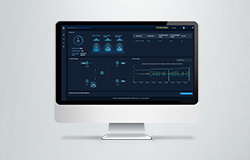
EMS (Energy Management System): The Central Nervous System of Distributed Energy Storage Systems
In recent years, with the rapid development of renewable energy and advancements in energy storage technology, distributed energy systems have become more widely integrated into societal production and everyday life. However, renewable energy sources such as wind and solar power are heavily influenced by weather and their inherent physical characteristics, making them intermittent and variable, leading to unstable power generation. As a result, balancing and improving the efficiency of distributed energy has become critical, highlighting the importance of Energy Management Systems (EMS) in energy storage. EMS functions as the “central nervous system” of the energy storage system,just as the human central nervous system transmits chemical and electrical signals to coordinate various organs, EMS sends control instructions to manage devices and system operation.
To begin with, EMS, as the core technology of an energy storage system, primarily provides the following functions:
Data Collection and Monitoring
Comprehensive Data Collection:EMS collects real-time operating data from various equipment within the energy storage system, including battery voltage, current, temperature and State of Charge (SOC), along with information from Power Conversion Systems (PCS), meters, air conditioning, fire fighting system, and various sensors. This ensures a full understanding of the system's real-time operating conditions.
Centralized Monitoring and Display:EMS processes and visualizes key information such as charge/discharge levels, real-time power, battery status, and economic performance, providing users with an intuitive interface for system monitoring and enabling them to view overall operational conditions anytime.
Energy Management and Optimization
Charge/Discharge Strategy Development: EMS automatically adjusts the output of distributed power sources based on real-time energy prices, grid load, and user demand to establish a reasonable battery charge/discharge strategy.
Operational Efficiency Optimization: By collecting and analyzing performance data, EMS identifies bottlenecks and inefficiencies in the energy system, allowing for operational improvements, parameter adjustments or layout modifications to enhance efficiency and reduce operational costs.
Forecasting and Decision Support: Using advanced algorithms and big data technology, EMS forecasts future energy demand based on historical data, helping decision-makers develop more efficient, low-cost energy management strategies that yield high returns.
Fault Diagnosis and Management
EMS monitors battery and system anomalies in real time, issuing alerts and taking protective measures, such as isolating faulty equipment or activating backup systems to prevent issue escalation and ensure safe system operation. Fault diagnosis and analysis also aid in maintenance and repair planning.
Economic Benefit Analysis and Evaluation
EMS calculates the system's operational costs and benefits in real time, including electricity expenses, equipment investment, maintenance costs and revenue from peak-load shifting, demand response, etc. This helps users clearly understand the system's economic performance and supports their decision-making.
Ancillary Services
EMS exchanges information with the grid, responding to grid dispatch commands and participating in ancillary services like peak and frequency regulation and demand response, thus supporting grid stability. EMS adjusts the operation and power output of industrial and commercial energy storage systems based on grid conditions, ensuring seamless integration.
On the premise of meeting the above functions, When evaluating different EMS products, users should consider the following criteria:
Stable Operation, Safe and Reliable Performance
The system should include power quality monitoring, anti-islanding, anti-reverse flow protection, control and monitoring devices, and other components to ensure safe, stable operation.
Fast Installation , Multiple Integration
As the“central nervous system”of the system, EMS must interface with multiple devices, including BMS, PCS, meters, air conditioning, fire fighting system, circuit breakers, indicators, and various sensors. It should support various protocols, enabling full data access from all control devices, especially the real-time integration of alarm signals, which requires high EMS data collection performance.
Flexible Expansion,Intelligent Strategy
Given the dispersed nature of distributed energy storage systems, currently, energy storage devices mostly use standard storage cabinets, like modular building blocks. To meet different energy demands, a varying number of storage cabinets are needed for expansion. EMS must have a flexible expansion capability to accommodate varying numbers of storage cabinets according to energy demands. Additionally, EMS should enable multi-dimensional data analysis and intell

2024-11-05
Senior Executives from ITOCHU Visit Vilion to Explore New Opportunities in C&I Energy Storage
On November 1, President Mr. Tanaka of ITOCHU Energy and Chemicals Company, along with his team, visited Vilion. CEO Mr. Shawn Song warmly welcomed the delegation on behalf of Vilion.
The visit began with a discussion meeting where Shawn Song introduced Vilion’s founding team, highlighting their 16+ years of experience in battery energy storage product development, application, and project delivery. Since its inception, Vilion has focused on technological and product development in distributed commercial and industrial energy storage. Over three years of effort, Vilion has developed a robust product matrix for the market, with remarkable achievements in localized service in Europe, setting a solid foundation for future global market expansion.
Shawn Song emphasized Vilion's commitment to independent innovation in software development and advanced technology. The self-developed EMS, cloud platform, and Active in Parallel Technology (AiP) continue to iterate and upgrade in compatibility and functionality, providing more precise solutions for commercial and industrial energy storage applications, thereby creating greater value for customers.
He also expressed the hope of leveraging ITOCHU’s presence in the energy sector to deepen collaboration in commercial and industrial energy storage projects, achieving mutual benefits and success.
Mr.Tanaka shared that ITOCHU began engaging in the new energy materials sector early and has since expanded to residential storage, commercial and industrial storage, large-scale storage, and battery recycling. He expressed his admiration for Vilion’s dedication to distributed storage applications and looked forward to deepening cooperation to create flagship products and premium projects.
Following the meeting, Shawn Song led the ITOCHU delegation on a tour of Vilion’s intelligent manufacturing factory in Shenzhen. They observed Vilion’s outdoor battery storage cabinet products, and Shawn provided a comprehensive overview, with a demonstration of the newly delivered EMS developed specifically for the Japanese market.
In the future, Vilion will continue to intensify its efforts in product and technology R&D, constantly enhancing its core competitiveness, seizing opportunities in the energy storage sector, and working towards the vision——To Be The Most Trustworthy Expert in C&l Battery Energy Storage Solutions.
CONTACT US
Vilion (Shenzhen) New Energy Technology Co., Ltd
Add: Lianzhan Industrial Park, No.2 Lanjing North Road, Pingshan District, Shenzhen, China
Vilion Tech B. V.
Add: Amsterdam, the Netherlands.
Vilion Tech (UK) Ltd
Add: London, united kingdom


