

-
Battery ESSMaximize the value of renewables and energy storage by much safer and more professional products.
-
C&I SolutionsLaying the efficient, flexible and economical "smart energy sponge" with energy storage technology to realize green energy to flow on demand.
-
Technology & ServicePursuing a new energy world driven by technological innovation in the electricity and IoT.
-
About VilionIndependent R&D, system integration, software development, O&M and dismantling&recycling, Vilion is a full life cycle partner.









Energy Storage Knowledge Class | Synergistic Development of Photovoltaics and Energy Storage: Analysis of AC and DC Coupling Solutions and Application
2024-12-09
The role of energy storage systems in addressing the intermittency and instability of photovoltaic (PV) power generation, as well as in improving energy utilization efficiency and reliability, has gained global consensus. With the growing global demand for renewable energy, technological advancements, and decreasing costs, the photovoltaics and energy storage (PV+Storage) industry is also experiencing unprecedented development opportunities.
A PV+Storage System typically includes solar panels, controllers, inverters, batteries, and loads. There are currently two main technological routes on the market: DC coupling and AC coupling. DC coupling refers to the connection of the energy storage battery and the photovoltaic modules on the DC side of an integrated PV+Storage system, where the energy gathering point is on the DC side. AC coupling, on the other hand, involves the connection of the energy storage system and photovoltaic system on the AC side, where the energy storage system (battery, energy storage inverter PCS) and photovoltaic system (solar modules, PV inverter) work independently, with the energy gathering point on the AC side (the diagram below shows schematic diagrams of DC coupling and AC coupling systems).
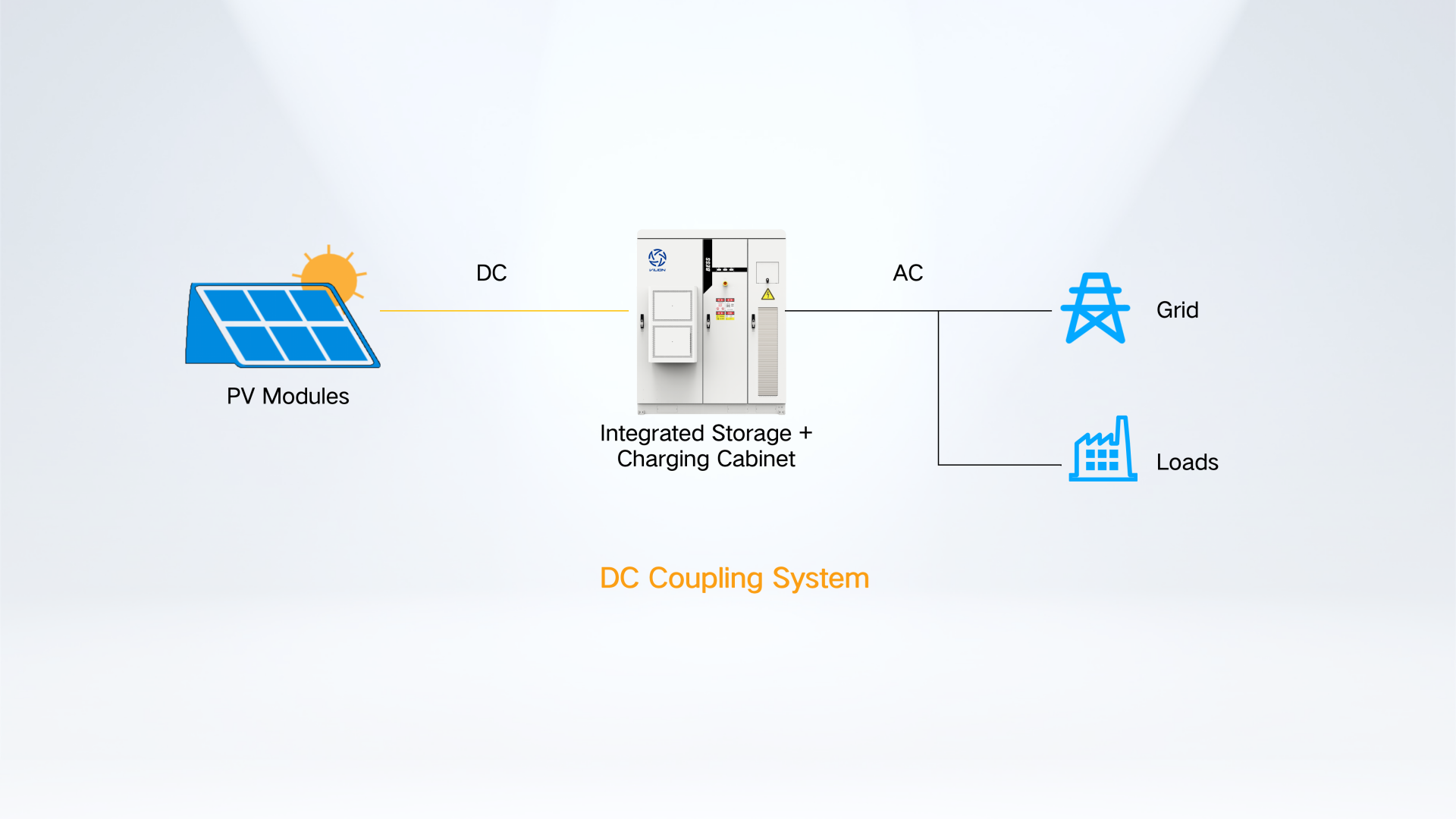
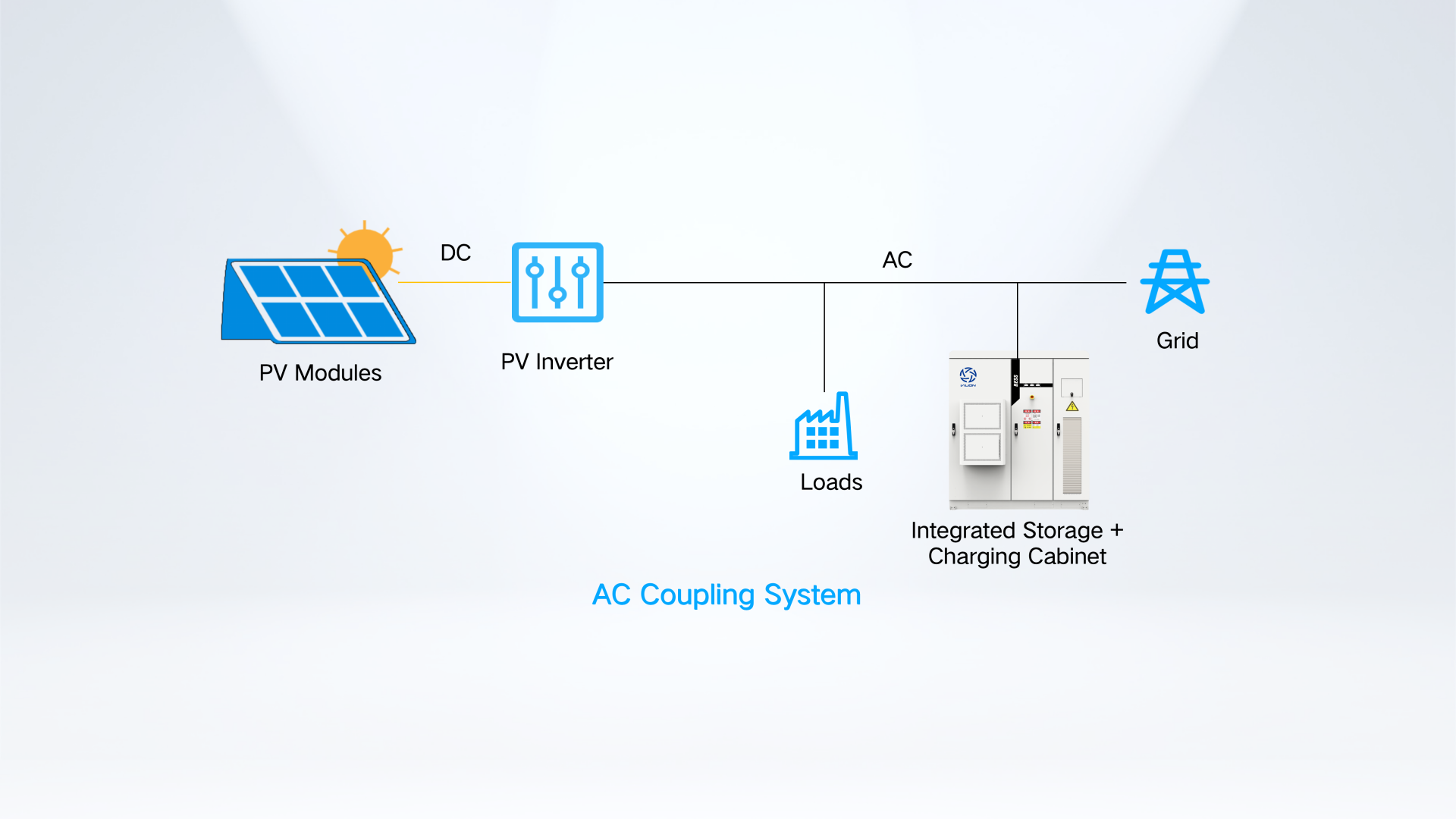
Currently, both DC coupling and AC coupling solutions have been widely applied in PV+Storage Systems, each with its advantages and disadvantages. From the customer's application perspective, the choice of coupling solution can be made based on the following analysis:
New Energy Storage Installations
If a user has already installed a photovoltaic system and needs to add an energy storage system, the optimal choice is: AC coupling solution.
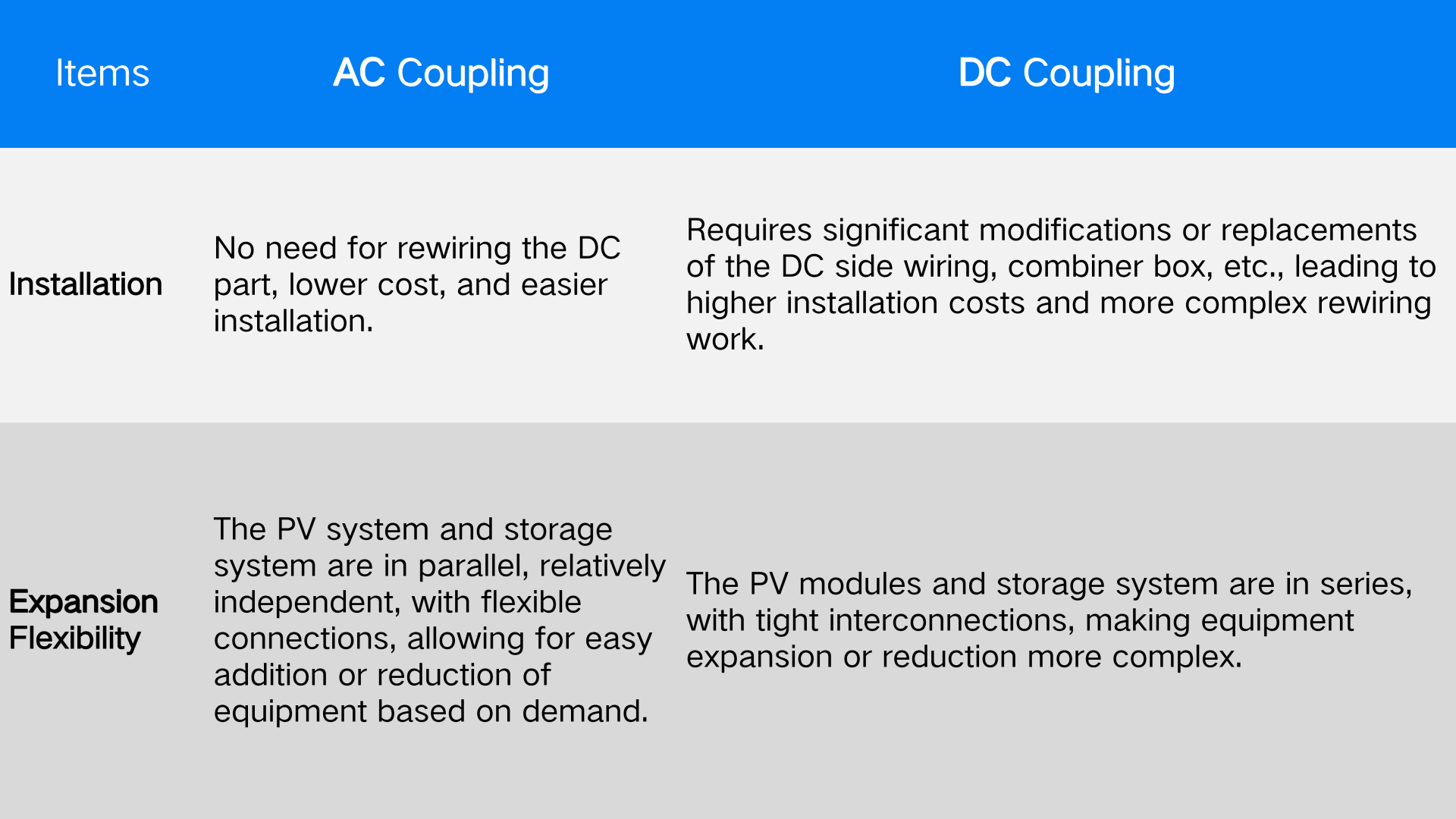
New PV+Storage System Installations
In terms of the distinction between DC coupling and AC coupling, the main differences are as follows:

Off-grid systems, especially in remote areas or microgrid applications with backup power, allow for PV, energy storage, and inverters to be designed according to the user's load capacity and energy consumption. DC coupling is more suitable for these systems, as the system control logic is simple and clear.
Larger PV+Storage Systems, such as those over 1MW, typically have more MPPTs, higher costs, and more complex installations. These systems tend to lean toward the use of AC coupling.
In conclusion, both AC coupling and DC coupling PV+ES systems have their own advantages and disadvantages at the application level. The appropriate coupling solution should be selected based on specific application scenarios, cost considerations, and system efficiency and energy management requirements.
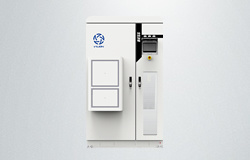
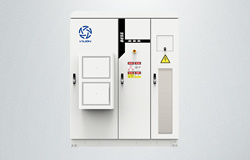
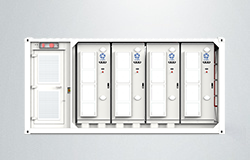
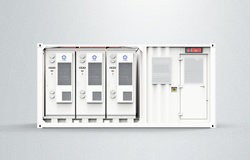
Vilion provides specialized and customized PV+Storage System solutions. We offer a range of energy storage products that meet the needs of both AC and DC coupling applications for PV systems. These products have been widely adopted and highly praised in the markets of adding energy storage to existing PV systems and newly installed PV+Storage Systems. In the future, Vilion will continue to focus on promoting the high-quality collaborative use and development of photovoltaic and energy storage systems, contributing to the creation of greener, more flexible, and efficient energy systems.
MORE NEWS

2026-10-08
Choosing the Right Energy Storage System for Your Devices: A Comprehensive Guide

2026-10-06
Harnessing the Future: Understanding Containerized Battery Energy Storage Systems

2026-10-04
The Synergy of Renewable Energy and Battery Energy Storage Systems: Unlocking a Sustainable Future

2026-10-02
Unlocking the Future: The Importance of High Power Battery Storage in Consumer Electronics
CONTACT US
Vilion (Shenzhen) New Energy Technology Co., Ltd
Add: Tower A, Building 1, Duocai Silicon Valley, No. 8 Juhe Road, Pingshan District, Shenzhen, China
Vilion Tech B. V.
Add: Fascinatio Boulevard 216 Unit 220, 3065WB Rotterdam
Vilion Tech (UK) Ltd
Add: Office 303B 10 Courtenay Rd., East Lane Business Park, Wembley, United Kingdom HA9 7ND


Copyright©2024 Vilion (Shenzhen) New Energy Technology Co., Ltd