

-
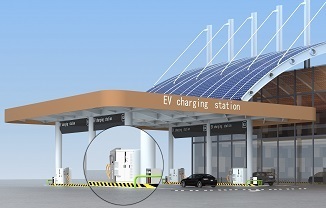
Battery ESSMaximize the value of renewables and energy storage by much safer and more professional products.
-
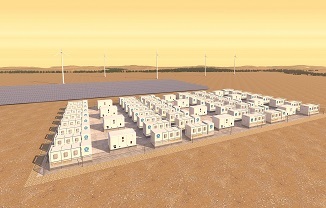
C&I SolutionsLaying the efficient, flexible and economical "smart energy sponge" with energy storage technology to realize green energy to flow on demand.
-
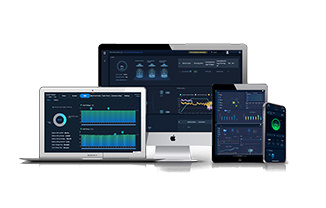
Technology & ServicePursuing a new energy world driven by technological innovation in the electricity and IoT.
-
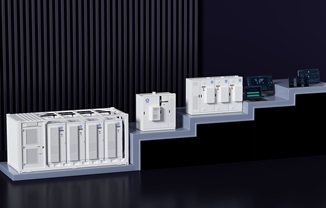
About VilionIndependent R&D, system integration, software development, O&M and dismantling&recycling, Vilion is a full life cycle partner.







Optimizing Energy Efficiency: The Role of Energy Management Systems in Battery and Charger Technologies
2026-09-28
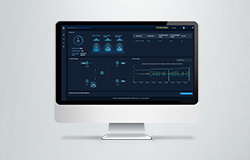
In the realm of consumer electronics, particularly within the battery and charger segment, the implementation of an Energy Management System (EMS) plays a critical role in optimizing energy usage, reducing waste, and improving overall product performance. An EMS provides a framework for monitoring, controlling, and conserving energy, ensuring that devices operate at their highest efficiency.
One of the primary functions of an EMS is to collect and analyze data related to energy consumption. This real-time data offers insights into how batteries and chargers are utilized across different conditions, thereby allowing manufacturers to identify inefficiencies and make informed decisions. By leveraging this data, companies can implement energy-saving strategies that not only extend the lifespan of batteries but also enhance the charging process.
Moreover, an EMS can facilitate smarter charging algorithms. In the case of rechargeable batteries, improper charging can lead to reduced battery life and performance. Advanced EMS can analyze the charging patterns and adjust the charging cycles accordingly, preventing overcharging and optimizing the charging speed. This not only maximizes battery efficiency but also addresses consumer concerns regarding battery longevity and safety.
Another significant benefit of incorporating an EMS is its potential to support renewable energy integration. As consumer electronics increasingly adopt eco-friendly practices, an EMS can help in managing energy sourced from renewable technologies, such as solar or wind. This capability not only reduces dependency on conventional power sources but also aligns with global sustainability goals.
In addition to operational benefits, an Energy Management System can improve compliance with energy regulations and standards, which are becoming increasingly stringent. By systematically monitoring energy usage, manufacturers can ensure they meet or exceed these requirements, thereby reducing the risk of non-compliance penalties and bolstering their market reputation.
Furthermore, the integration of Artificial Intelligence (AI) and Machine Learning (ML) within an EMS can take energy management a step further. These technologies can predict energy consumption patterns based on historical data and user behavior, allowing for proactive management of energy use. This predictive capability can significantly enhance the efficiency of both batteries and chargers, leading to more sustainable product offerings.
In conclusion, the adoption of an Energy Management System within the battery and charger domain is not just beneficial but essential for fostering energy efficiency, sustainability, and innovation. By harnessing data-driven insights and advanced technologies, companies can enhance their product performance while supporting the global shift towards energy conservation.
One of the primary functions of an EMS is to collect and analyze data related to energy consumption. This real-time data offers insights into how batteries and chargers are utilized across different conditions, thereby allowing manufacturers to identify inefficiencies and make informed decisions. By leveraging this data, companies can implement energy-saving strategies that not only extend the lifespan of batteries but also enhance the charging process.
Moreover, an EMS can facilitate smarter charging algorithms. In the case of rechargeable batteries, improper charging can lead to reduced battery life and performance. Advanced EMS can analyze the charging patterns and adjust the charging cycles accordingly, preventing overcharging and optimizing the charging speed. This not only maximizes battery efficiency but also addresses consumer concerns regarding battery longevity and safety.
Another significant benefit of incorporating an EMS is its potential to support renewable energy integration. As consumer electronics increasingly adopt eco-friendly practices, an EMS can help in managing energy sourced from renewable technologies, such as solar or wind. This capability not only reduces dependency on conventional power sources but also aligns with global sustainability goals.
In addition to operational benefits, an Energy Management System can improve compliance with energy regulations and standards, which are becoming increasingly stringent. By systematically monitoring energy usage, manufacturers can ensure they meet or exceed these requirements, thereby reducing the risk of non-compliance penalties and bolstering their market reputation.
Furthermore, the integration of Artificial Intelligence (AI) and Machine Learning (ML) within an EMS can take energy management a step further. These technologies can predict energy consumption patterns based on historical data and user behavior, allowing for proactive management of energy use. This predictive capability can significantly enhance the efficiency of both batteries and chargers, leading to more sustainable product offerings.
In conclusion, the adoption of an Energy Management System within the battery and charger domain is not just beneficial but essential for fostering energy efficiency, sustainability, and innovation. By harnessing data-driven insights and advanced technologies, companies can enhance their product performance while supporting the global shift towards energy conservation.
MORE NEWS

2026-09-28
Optimizing Energy Efficiency: The Role of Energy Management Systems in Battery and Charger Technologies
In the realm of consumer electronics, particularly within the battery and charger segment, the implementation of an Energy Management System (EMS) plays a critical role in optimizing energy usage, reducing waste, and improving overall product performance. An EMS provides a framework for monitoring, controlling, and conserving energy, ensuring that devices operate at their highest efficiency.
One

2026-09-26
Your Home's Energy Hub: The All-In-One Storage Advantage for Modern Living
Your Home's Energy Hub: The All-In-One Storage Advantage for Modern Living
As we strive for greener living and increased energy efficiency, the concept of an all-in-one energy storage hub is becoming increasingly popular among homeowners. Imagine a single system that not only stores energy generated from renewable sources but also manages your home's energy consumption seamlessly. In this guide,

2026-09-24
Understanding Containerized Energy Storage Systems in Consumer Electronics
Containerized Energy Storage Systems (CESS) represent a transformative approach to energy management, particularly relevant in the consumer electronics sector that involves batteries and chargers. These systems encapsulate battery storage within a portable container, enabling efficient energy utilization, improved scalability, and enhanced reliability. As the demand for energy-efficient solutions

2026-09-22
How to Choose the Right Commercial BESS for Your Business Needs
How to Choose the Right Commercial BESS for Your Business Needs
Table of Contents
Understanding Battery Energy Storage Systems (BESS)
Benefits of Implementing BESS in Your Business
Key Criteria for Selecting the Right BESS
Types of Commercial BESS Solutions
Determining Capacity and Power Requirements
Integration with Existing Energy Systems
Regulatory and Incentive Con
CONTACT US
Vilion (Shenzhen) New Energy Technology Co., Ltd
Add: Tower A, Building 1, Duocai Silicon Valley, No. 8 Juhe Road, Pingshan District, Shenzhen, China
Vilion Tech B. V.
Add: Fascinatio Boulevard 216 Unit 220, 3065WB Rotterdam
Vilion Tech (UK) Ltd
Add: Office 303B 10 Courtenay Rd., East Lane Business Park, Wembley, United Kingdom HA9 7ND


Copyright©2024 Vilion (Shenzhen) New Energy Technology Co., Ltd