

-
Battery ESSMaximize the value of renewables and energy storage by much safer and more professional products.
-
C&I SolutionsLaying the efficient, flexible and economical "smart energy sponge" with energy storage technology to realize green energy to flow on demand.
-
Technology & ServicePursuing a new energy world driven by technological innovation in the electricity and IoT.
-
About VilionIndependent R&D, system integration, software development, O&M and dismantling&recycling, Vilion is a full life cycle partner.
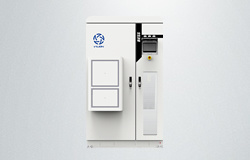
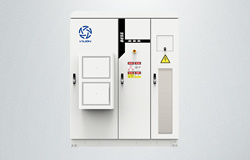
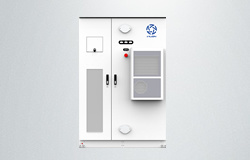

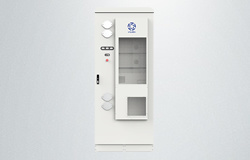



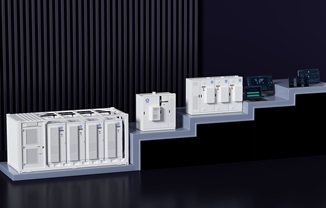


Your Home's Energy Hub: The All-In-One Storage Advantage for Modern Living
2026-09-26
Your Home's Energy Hub: The All-In-One Storage Advantage for Modern Living
As we strive for greener living and increased energy efficiency, the concept of an all-in-one energy storage hub is becoming increasingly popular among homeowners. Imagine a single system that not only stores energy generated from renewable sources but also manages your home's energy consumption seamlessly. In this guide, we will explore the advantages of having an all-in-one energy storage solution and how it can revolutionize your home energy management.
Table of Contents
- Understanding Energy Storage: An Overview
- Benefits of All-in-One Energy Storage Systems
- How Energy Storage Works: The Technology Behind It
- Choosing the Right All-in-One Energy Storage System for Your Home
- Costs and Savings: Is It Worth the Investment?
- Installing Your Energy Hub: What to Expect
- Maintaining Your Energy Storage System for Longevity
- The Future of Energy Storage: Trends and Innovations
- FAQs: Your Questions Answered
- Conclusion: Embrace the Energy Revolution
Understanding Energy Storage: An Overview
Energy storage systems are designed to capture energy for later use, making them essential for managing renewable energy sources like solar and wind power. These systems can store excess energy generated during peak production times and release it when energy demand is highest, ensuring a consistent and reliable energy supply for your home.
The key components of energy storage systems include batteries, inverters, and management systems. Batteries, particularly lithium-ion batteries, are the most commonly used due to their efficiency and longevity. Inverters convert stored energy into usable electricity, while management systems optimize energy flow, ensuring that energy is used wisely and efficiently.
Benefits of All-in-One Energy Storage Systems
All-in-one energy storage systems offer a plethora of advantages for homeowners seeking to improve their energy efficiency and sustainability. Here are some key benefits:
1. Increased Energy Independence
By harnessing the power of renewable energy sources and storing it in one centralized system, homeowners can reduce their reliance on the grid. This independence not only saves money but also contributes to a more resilient energy infrastructure.
2. Cost Savings on Energy Bills
All-in-one energy storage solutions can significantly reduce monthly energy bills. By storing energy during off-peak hours when rates are lower and using it during peak hours, homeowners can take advantage of time-of-use pricing models offered by many utility companies.
3. Enhanced Home Value
Homes equipped with advanced energy storage systems are increasingly appealing to buyers, particularly those interested in sustainable living. Investing in an all-in-one energy hub can enhance your property's market value and attract eco-conscious buyers.
4. Environmental Benefits
Utilizing renewable energy and reducing reliance on fossil fuels contributes to a smaller environmental footprint. All-in-one energy storage solutions can integrate with solar panels, allowing you to use clean energy and further reduce greenhouse gas emissions.
5. Simplified Energy Management
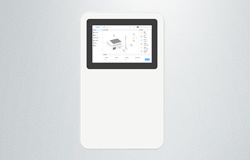
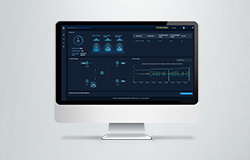
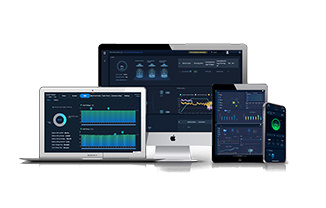
With an all-in-one storage solution, homeowners can easily monitor and manage their energy consumption through user-friendly interfaces. Many systems come with mobile apps that provide real-time data on energy usage, storage levels, and performance metrics.
How Energy Storage Works: The Technology Behind It
To fully appreciate the benefits of all-in-one energy storage systems, it’s crucial to understand how they function. These systems typically consist of the following components:
Batteries
Batteries are the heart of any energy storage system. They store energy generated from renewable sources, such as solar panels or wind turbines, and release it when needed. Lithium-ion batteries are the most popular choice due to their high energy density, efficiency, and longevity.
Inverters
Inverters play a critical role in converting the stored energy into a usable form. They convert direct current (DC) from the batteries into alternating current (AC), which is the standard form of electricity used in most homes.
Energy Management Systems (EMS)
An Energy Management System optimizes the flow of energy within your home, ensuring that it is used effectively and efficiently. EMS monitors energy usage and storage levels, making real-time adjustments to maximize savings and ensure you have enough stored energy for peak usage times.
Choosing the Right All-in-One Energy Storage System for Your Home
Selecting the right energy storage system involves considering several factors to ensure it meets your needs. Here are some key points to keep in mind:
1. Assess Your Energy Needs
Before purchasing a system, evaluate your home's energy consumption patterns. Look at your monthly energy bills to understand your average usage and peak demands, which will guide you in selecting an appropriate system size.
2. Consider Compatibility with Existing Systems
If you already have solar panels or other renewable energy sources, ensure that the energy storage system you choose is compatible with your existing setup. Many manufacturers offer all-in-one solutions designed to work seamlessly with various renewable energy technologies.
3. Research the Manufacturer
Not all systems are created equal. Research manufacturers, their reputation, warranties, and customer reviews. A trustworthy company will provide reliable products backed by solid customer support.
4. Evaluating Costs and Incentives
All-in-one energy storage systems can represent a significant investment. However, various local, state, and federal incentives may be available to help offset costs. Research available rebates and tax credits that can make your purchase more affordable.
Costs and Savings: Is It Worth the Investment?
The cost of an all-in-one energy storage system can vary widely based on capacity, brand, and features. On average, homeowners can expect to invest between $7,000 and $15,000 for a complete system, including installation. Although this may seem steep, the long-term savings on energy bills can make it a worthwhile investment.
Homeowners can save money by:
- Reducing peak-time energy usage
- Using stored energy during outages
- Taking advantage of rebates and tax incentives
Many users report recouping their initial investment within 5 to 10 years through these savings, making all-in-one energy storage systems a financially sound choice.
Installing Your Energy Hub: What to Expect
The installation of an all-in-one energy storage system is a critical process that requires professional expertise. Here’s what you can expect during the installation phase:
1. Pre-Installation Assessment
Before installation, a qualified technician will conduct a thorough assessment of your home, including energy consumption patterns and existing electrical systems. This assessment will help determine the optimal setup for your energy hub.
2. Installation Process
Installation typically involves mounting the battery storage unit, connecting inverters, and integrating the energy management system. The technician will ensure that all components work together seamlessly and that safety protocols are followed.
3. System Testing and Monitoring
After installation, the technician will conduct system tests to ensure everything is functioning correctly. Many systems also come with monitoring tools that allow homeowners to track energy usage and performance from their smartphones or computers.
Maintaining Your Energy Storage System for Longevity
To ensure optimal performance and longevity of your all-in-one energy storage system, regular maintenance is essential. Here are some maintenance tips:
1. Regular Inspections
Schedule periodic inspections with a qualified technician to check for any potential issues. This can help identify problems early and prevent costly repairs down the line.
2. Monitor Battery Health
Most advanced systems come equipped with monitoring software that tracks battery health. Keep an eye on metrics like charge cycles and overall capacity, and address any issues as they arise.
3. Keep the System Clean
Ensure that the area around your energy storage system is free of debris and dust. A clean environment can enhance performance and reduce wear on the system's components.
The Future of Energy Storage: Trends and Innovations
The energy storage industry is evolving rapidly, with advancements that promise to enhance the efficiency and functionality of all-in-one systems. Here are some trends to watch for:
1. Enhanced Battery Technologies
Innovations in battery technology, such as solid-state batteries, promise to offer even greater energy density and safety. These developments will likely lead to more efficient and longer-lasting energy storage solutions.
2. Smart Home Integration
Future energy storage systems are expected to integrate more seamlessly with smart home technologies, providing homeowners with enhanced control over their energy consumption and management.
3. Increased Use of Artificial Intelligence
AI-driven energy management systems can analyze usage patterns and optimize energy storage and distribution in real-time, further improving efficiency and savings.
FAQs: Your Questions Answered
1. What is an all-in-one energy storage system?
An all-in-one energy storage system combines batteries, inverters, and management systems into a single unit designed for efficient energy storage and management.
2. How long do energy storage systems last?
Most energy storage systems have a lifespan of 10 to 15 years, depending on usage and maintenance.
3. Can I install an energy storage system myself?
It is highly recommended to have a professional install your energy storage system to ensure safety and optimal performance.
4. Are there incentives available for energy storage systems?
Yes, many local, state, and federal incentives exist to help offset the costs of purchasing and installing energy storage systems.
5. How do I know if an energy storage system is right for my home?
Evaluate your energy consumption patterns, existing renewable energy sources, and budget to determine if an all-in-one energy storage system fits your needs.
Conclusion: Embrace the Energy Revolution
Investing in an all-in-one energy storage system represents a significant step toward energy independence, cost savings, and a more sustainable lifestyle. By understanding the technology, benefits, and maintenance required, homeowners can make informed decisions that will enhance their energy management and contribute to a greener future. As technology continues to advance, the potential for energy storage systems will only grow, making now the perfect time to embrace this energy revolution.
MORE NEWS

2026-09-26
Your Home's Energy Hub: The All-In-One Storage Advantage for Modern Living

2026-09-24
Understanding Containerized Energy Storage Systems in Consumer Electronics

2026-09-22
How to Choose the Right Commercial BESS for Your Business Needs

2026-09-20
Essential Insights into Battery Cabinets for Consumer Electronics
CONTACT US
Vilion (Shenzhen) New Energy Technology Co., Ltd
Add: Tower A, Building 1, Duocai Silicon Valley, No. 8 Juhe Road, Pingshan District, Shenzhen, China
Vilion Tech B. V.
Add: Fascinatio Boulevard 216 Unit 220, 3065WB Rotterdam
Vilion Tech (UK) Ltd
Add: Office 303B 10 Courtenay Rd., East Lane Business Park, Wembley, United Kingdom HA9 7ND


Copyright©2024 Vilion (Shenzhen) New Energy Technology Co., Ltd