

-
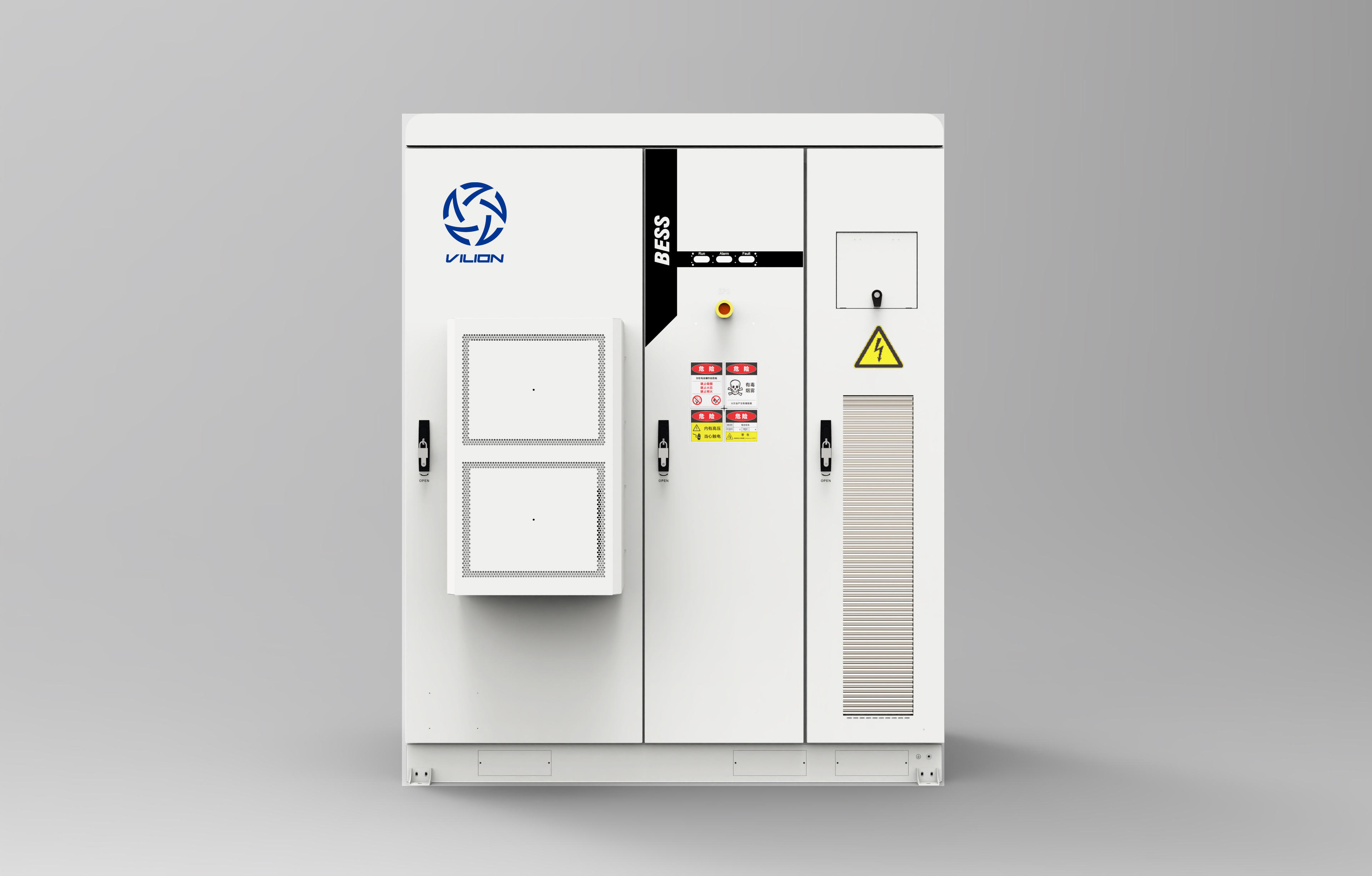
Battery ESSMaximize the value of renewables and energy storage by much safer and more professional products.
-
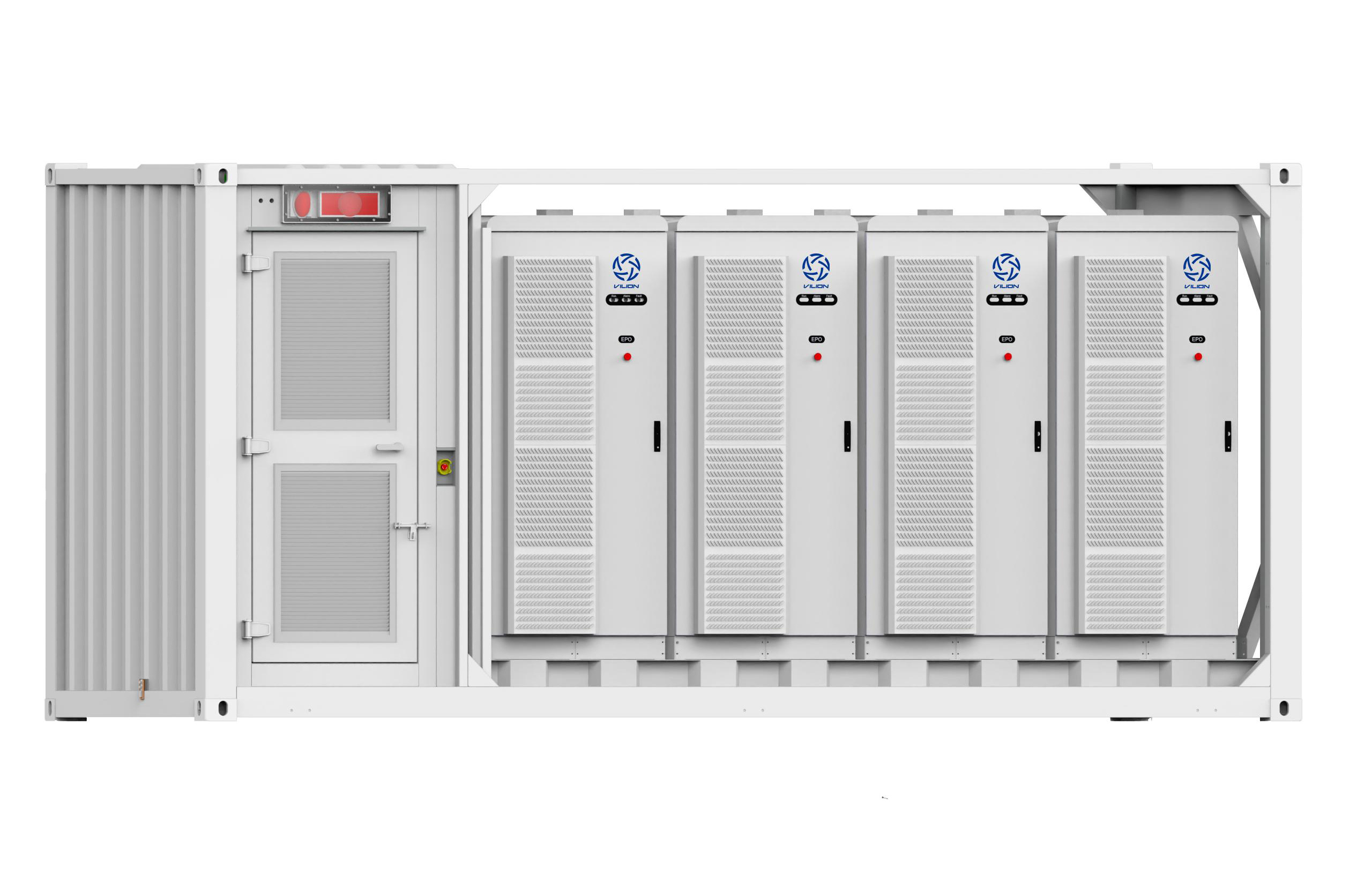
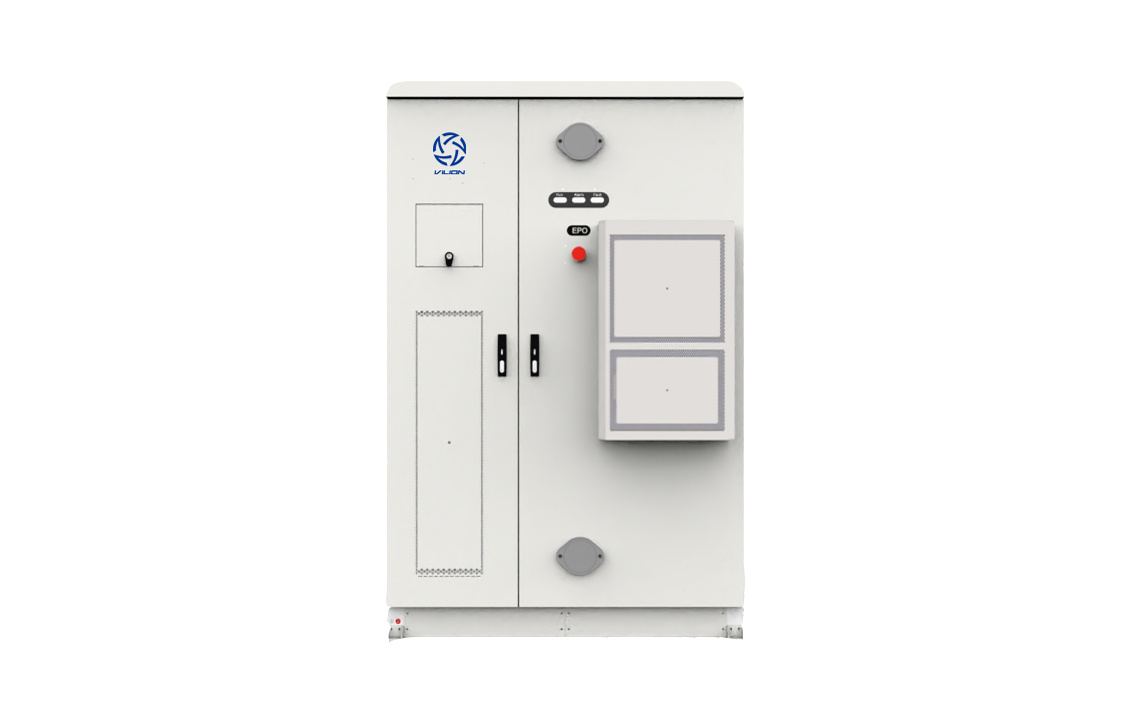
C&I SolutionsLaying the efficient, flexible and economical "smart energy sponge" with energy storage technology to realize green energy to flow on demand.
-
Technology & ServicePursuing a new energy world driven by technological innovation in the electricity and IoT.
-
About VilionIndependent R&D, system integration, software development, O&M and dismantling&recycling, Vilion is a full life cycle partner.









Choosing the Right Battery Monitoring System: A Comprehensive Guide for Optimal Performance
2026-09-10
Choosing the Right Battery Monitoring System for Your Needs
Table of Contents
- 1. Understanding Battery Monitoring Systems
- 2. Key Features of a Battery Monitoring System
- 2.1. Real-Time Data Monitoring
- 2.2. Voltage and Current Measurement
- 2.3. Temperature Sensors
- 2.4. Alarm and Notification Systems
- 3. Types of Battery Monitoring Systems
- 4. Benefits of Using a Battery Monitoring System
- 5. Factors to Consider When Choosing a Battery Monitoring System
- 6. Installation Process of Battery Monitoring Systems
- 7. Common Misconceptions About Battery Monitoring Systems
- 8. FAQs About Battery Monitoring Systems
- 9. Conclusion
1. Understanding Battery Monitoring Systems
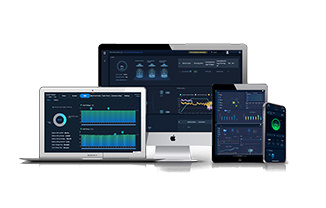
Battery monitoring systems (BMS) are essential tools designed to track and manage the performance of batteries in various applications, from consumer electronics to renewable energy storage. By providing real-time data about battery health, charge levels, and temperature, these systems play a critical role in ensuring the longevity and safety of battery operations. Understanding the intricacies of these systems empowers users to make informed choices about battery management, ultimately enhancing performance and reliability.
2. Key Features of a Battery Monitoring System
When considering a battery monitoring system, it’s important to focus on specific features that align with your needs. Below, we outline the critical components that can make a significant difference in performance monitoring.
2.1. Real-Time Data Monitoring
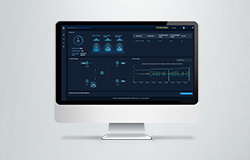
A robust battery monitoring system should offer **real-time data monitoring** capabilities. This feature allows users to view essential metrics such as state of charge (SoC), state of health (SoH), and remaining capacity on a continuous basis. This immediate access to data facilitates timely decision-making regarding battery usage and maintenance.
2.2. Voltage and Current Measurement
The **voltage and current measurement** capability of a battery monitoring system is crucial in assessing the battery's operational status. Monitoring voltage levels helps in identifying irregularities that may indicate potential issues, while current measurements provide insights into battery load and efficiency.
2.3. Temperature Sensors
Temperature affects battery performance significantly. A good battery monitoring system should include **temperature sensors** to monitor battery heat levels. Elevated temperatures can lead to reduced efficiency or even battery failure, making this feature vital for maintaining optimal operating conditions.
2.4. Alarm and Notification Systems
Integrated **alarm and notification systems** can alert users to critical changes in battery status, such as overcharging, excessive discharging, or temperature anomalies. These alerts are vital for preventing potential damage and ensuring safety in battery management.
3. Types of Battery Monitoring Systems
Battery monitoring systems can be categorized into various types, each with its unique advantages and applications.
3.1. Standalone Battery Monitors
**Standalone battery monitors** are dedicated devices designed specifically for the purpose of monitoring battery performance. They are typically easy to install and operate independently, making them suitable for users who need basic monitoring capabilities without additional integrations.
3.2. Integrated Battery Management Systems
**Integrated battery management systems (BMS)** combine monitoring functions with additional management features, such as charge control and battery balancing. These systems are ideal for complex setups where enhanced performance optimization is necessary, such as in electric vehicles and large-scale energy storage systems.
4. Benefits of Using a Battery Monitoring System
Employing a battery monitoring system comes with numerous benefits that can enhance both safety and efficiency:
1. **Extended Battery Life**: Regular monitoring helps identify issues before they escalate, allowing for timely maintenance and care.
2. **Improved Safety**: Monitoring systems can prevent dangerous situations like thermal runaway by providing early warnings.
3. **Optimized Performance**: Access to real-time data enables users to optimize discharge and charging cycles for better performance.
4. **Cost Savings**: By ensuring batteries function effectively, monitoring systems can reduce replacement costs and downtime.
5. Factors to Consider When Choosing a Battery Monitoring System
Selecting the right battery monitoring system requires careful consideration of several critical factors:
5.1. Compatibility with Battery Types
Different batteries have varying characteristics. Ensure that the monitoring system you choose is compatible with the type of battery you are using, whether it be lithium-ion, lead-acid, or nickel-metal hydride.
5.2. Cost vs. Value
While it may be tempting to opt for the cheapest option, consider the long-term value that a more expensive system may provide through enhanced features, reliability, and support.
5.3. Ease of Installation and Use
Select a battery monitoring system that is straightforward to install and operate. User-friendly interfaces and clear instructions can significantly enhance your experience and ensure effective use of the system.
6. Installation Process of Battery Monitoring Systems
Installing a battery monitoring system may vary depending on the type and model. However, most installations follow common steps:
1. **Gather Tools and Equipment**: Ensure you have all necessary tools (screwdrivers, wires, etc.) and the monitoring system components.
2. **Shut Down Power**: Always turn off power to the battery before beginning installation to ensure safety.
3. **Connect Wires**: Follow the manufacturer’s instructions to connect the monitoring device to the battery terminals.
4. **Configure Settings**: Once connected, configure the settings based on your specific requirements and battery type.
5. **Perform Tests**: After installation, conduct tests to ensure that the system is functioning correctly and providing accurate data.
7. Common Misconceptions About Battery Monitoring Systems
There are several misconceptions surrounding battery monitoring systems that can lead to misunderstandings:
- **They are only for large systems**: Many users believe that battery monitoring systems are only necessary for large-scale applications. However, even small battery systems can benefit greatly from monitoring.
- **They are overly complicated**: Some individuals think that these systems are too complex to operate. Most modern systems have user-friendly interfaces and are designed for ease of use.
- **They can replace regular maintenance**: While monitoring systems provide valuable data, they do not eliminate the need for regular maintenance and inspections.
8. FAQs About Battery Monitoring Systems
**Q1: What is the average lifespan of a battery monitoring system?**
A1: The lifespan can vary greatly based on the technology used and environmental conditions, but most systems can last several years with proper care.
**Q2: Can I integrate a battery monitoring system with my existing setup?**
A2: Many modern battery monitoring systems can easily integrate with existing setups. Ensure compatibility before making a purchase.
**Q3: How often should I check my battery monitoring system?**
A3: It is advisable to check the system regularly, especially if you notice any performance issues with the batteries.
**Q4: Are battery monitoring systems waterproof?**
A4: Many systems are designed to be weather-resistant, but it’s essential to verify the specifications for your particular model.
**Q5: Do I need professional help to install a battery monitoring system?**
A5: While some systems can be installed easily by users, more complex setups may require professional assistance for optimal installation.
9. Conclusion
Selecting the right battery monitoring system is crucial for maximizing battery performance, safety, and longevity. By understanding the key features, benefits, and factors to consider, users can make informed decisions that align with their specific needs. Whether for personal use or larger applications, investing in a quality battery monitoring system will pay off in enhanced efficiency and reliability. Embrace this technology to ensure your battery systems operate at their best, safeguarding your investments and promoting long-term sustainability.
MORE NEWS

2026-09-10
Commercial BESS: Empowering Businesses with Smarter, More Reliable Energy Storage Solutions
Commercial BESS provides reliable energy storage for businesses, optimizing power uses through smart battery management

2026-09-10
Choosing the Right Battery Monitoring System: A Comprehensive Guide for Optimal Performance
Choosing the Right Battery Monitoring System for Your Needs
Table of Contents
1. Understanding Battery Monitoring Systems
2. Key Features of a Battery Monitoring System
2.1. Real-Time Data Monitoring
2.2. Voltage and Current Measurement
2.3. Temperature Sensors
2.4. Alarm and Notification Systems
3

2026-09-08
Maximizing Efficiency: The Role of Energy Management Systems in Battery and Charger Technologies
Energy Management Systems (EMS) serve as a critical tool in the consumer electronics sector, particularly in the realm of batteries and chargers. With the increasing demand for energy-efficient solutions, the implementation of EMS can lead to substantial enhancements in performance, reliability, and sustainability of charging systems.
At its core, an EMS integrates various control strategies to op

2026-09-06
Uncover the Latest Innovations in All-In-One Energy Storage Solutions for a Sustainable Future
Innovations in All-In-One Energy Storage You Need to Know About
Table of Contents
1. Introduction to All-In-One Energy Storage Solutions
2. The Importance of Energy Storage in Today’s World
3. Key Innovations Transforming Energy Storage
3.1 Solid-State Batteries
3.2 Lithium-Sulfur Batteries
3.3 Advanced Lithium-Ion Technology
3.
CONTACT US
Vilion (Shenzhen) New Energy Technology Co., Ltd
Add: Tower A, Building 1, Duocai Silicon Valley, No. 8 Juhe Road, Pingshan District, Shenzhen, China
Vilion Tech B. V.
Add: Fascinatio Boulevard 216 Unit 220, 3065WB Rotterdam
Vilion Tech (UK) Ltd
Add: Office 303B 10 Courtenay Rd., East Lane Business Park, Wembley, United Kingdom HA9 7ND


Copyright©2024 Vilion (Shenzhen) New Energy Technology Co., Ltd