

-
Battery ESSMaximize the value of renewables and energy storage by much safer and more professional products.
-
C&I SolutionsLaying the efficient, flexible and economical "smart energy sponge" with energy storage technology to realize green energy to flow on demand.
-
Technology & ServicePursuing a new energy world driven by technological innovation in the electricity and IoT.
-
About VilionIndependent R&D, system integration, software development, O&M and dismantling&recycling, Vilion is a full life cycle partner.
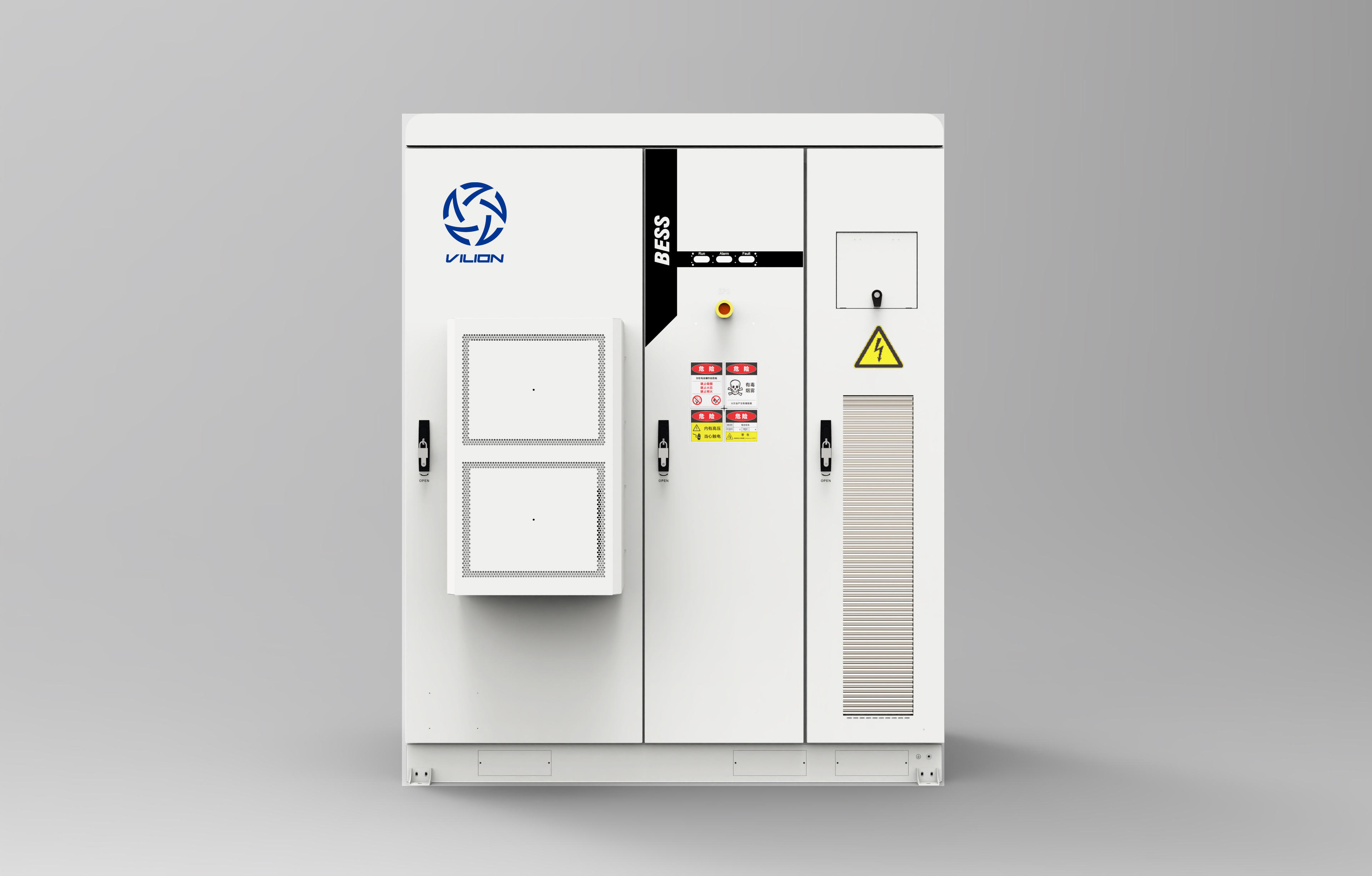
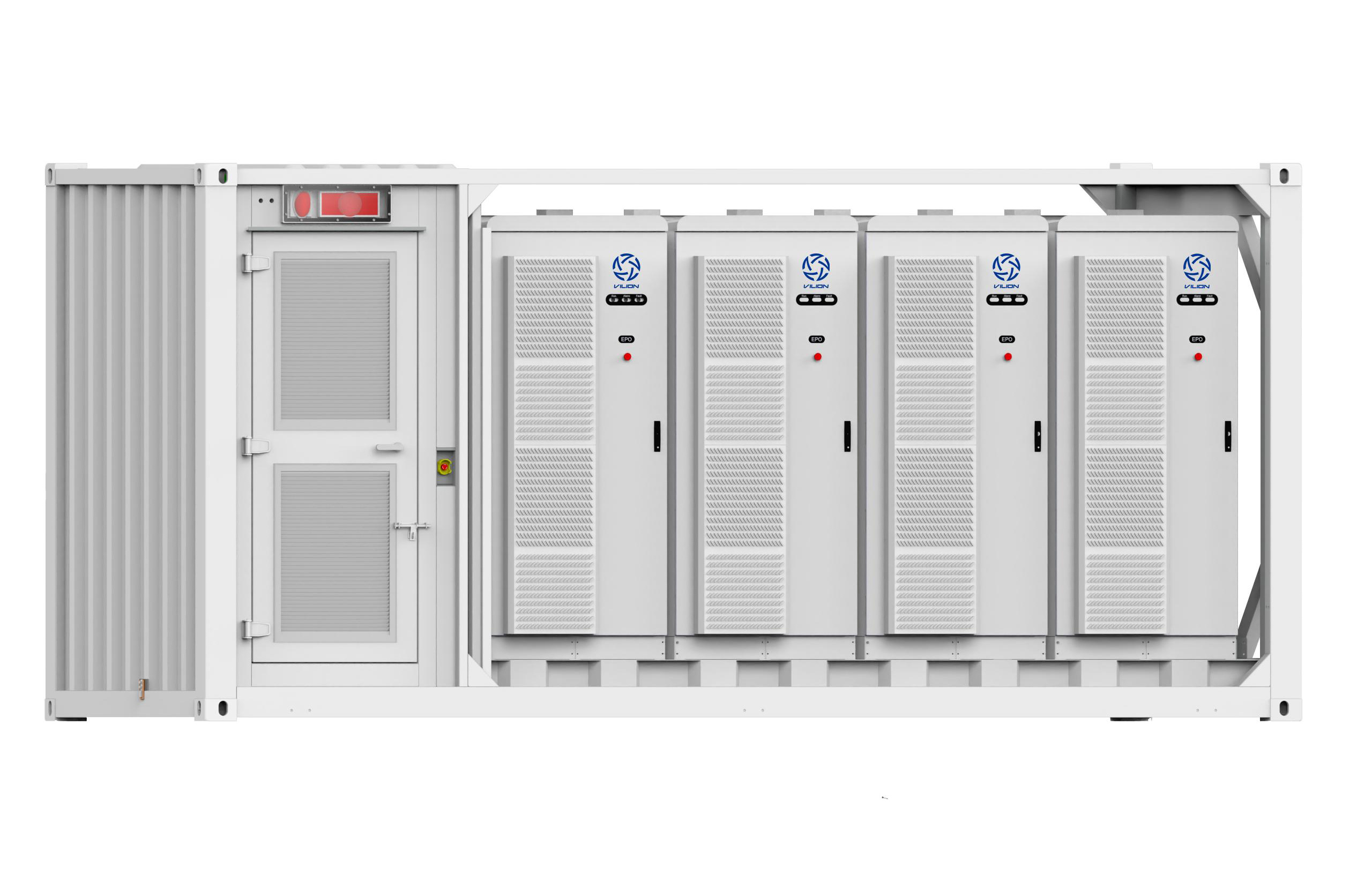
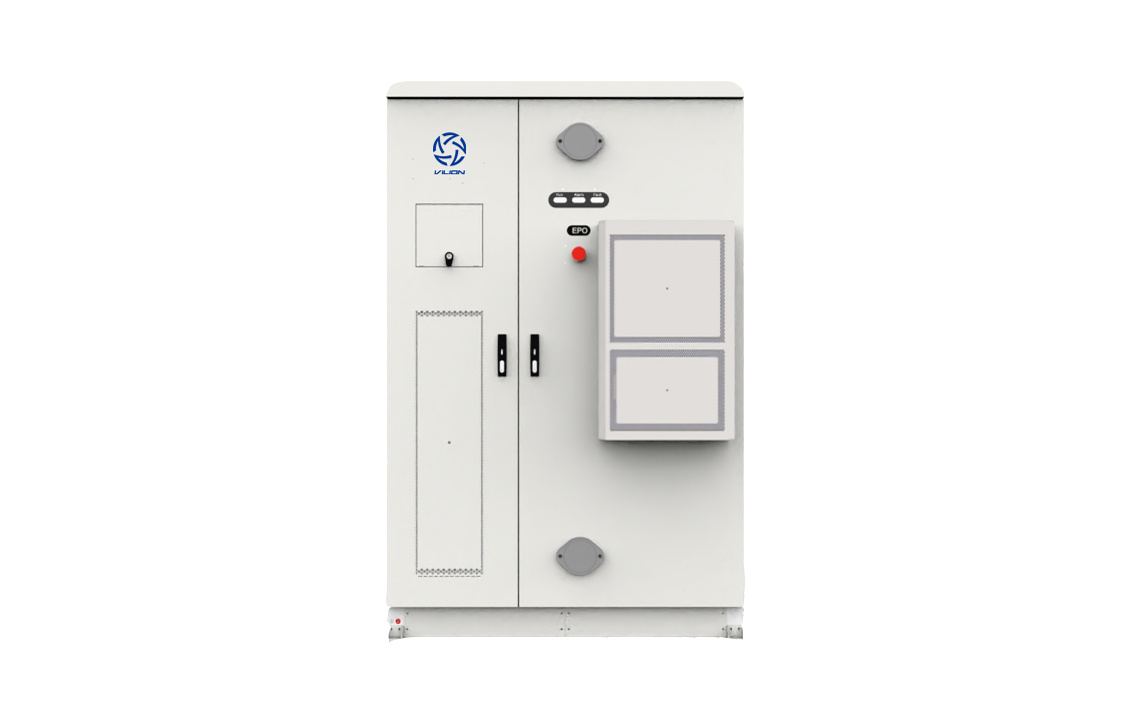










Maximizing Efficiency: The Role of Energy Management Systems in Battery and Charger Technologies
2026-09-08
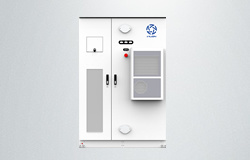
Energy Management Systems (EMS) serve as a critical tool in the consumer electronics sector, particularly in the realm of batteries and chargers. With the increasing demand for energy-efficient solutions, the implementation of EMS can lead to substantial enhancements in performance, reliability, and sustainability of charging systems.
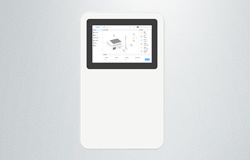
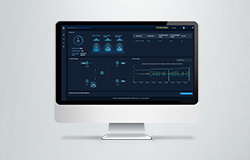
At its core, an EMS integrates various control strategies to optimize energy consumption. In the context of charging batteries, this system meticulously monitors and manages various parameters, including voltage, current, and temperature, to ensure that batteries are charged safely and efficiently. By analyzing this data in real-time, the EMS can adjust the charging cycles accordingly, thus preventing overcharging and extending the lifespan of the battery—an essential factor for consumer satisfaction and device longevity.
One of the primary benefits of incorporating an EMS in battery management is its capability to provide predictive analytics. By utilizing historical performance data and real-time monitoring, the system can forecast energy needs and potential failures. This proactive approach not only enhances the reliability of charge cycles but also empowers users with insights to make informed decisions regarding battery usage and maintenance.
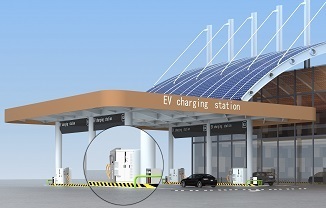
Moreover, EMSs are instrumental in facilitating smart charging solutions that align with renewable energy sources. As the world shifts towards more sustainable practices, integrating EMS with solar or wind energy systems can enable users to charge their devices using clean energy. This not only reduces dependency on non-renewable resources but also aligns with global efforts to minimize carbon footprints.
Another significant aspect of Energy Management Systems is their role in compliance with energy regulations and standards. As governments and regulatory bodies implement stricter energy efficiency mandates, having an EMS in place ensures that charging systems meet the necessary requirements without compromising performance. This compliance not only enhances brand reputation but also fosters consumer trust.
Additionally, the data collected by EMS can be valuable for manufacturers. It provides insights into usage patterns, battery performance under different conditions, and potential areas for innovation. By analyzing this data, companies can refine their product designs and improve the overall user experience, which is crucial in the competitive landscape of consumer electronics.
In conclusion, Energy Management Systems play an indispensable role in the evolution of battery and charger technologies within the consumer electronics industry. By optimizing energy use, enhancing performance, and contributing to sustainability, EMS not only benefits manufacturers but also delivers significant advantages to consumers. As the industry continues to advance, adopting an integrated approach to energy management will undoubtedly be a key driver of innovation and efficiency.
At its core, an EMS integrates various control strategies to optimize energy consumption. In the context of charging batteries, this system meticulously monitors and manages various parameters, including voltage, current, and temperature, to ensure that batteries are charged safely and efficiently. By analyzing this data in real-time, the EMS can adjust the charging cycles accordingly, thus preventing overcharging and extending the lifespan of the battery—an essential factor for consumer satisfaction and device longevity.
One of the primary benefits of incorporating an EMS in battery management is its capability to provide predictive analytics. By utilizing historical performance data and real-time monitoring, the system can forecast energy needs and potential failures. This proactive approach not only enhances the reliability of charge cycles but also empowers users with insights to make informed decisions regarding battery usage and maintenance.
Moreover, EMSs are instrumental in facilitating smart charging solutions that align with renewable energy sources. As the world shifts towards more sustainable practices, integrating EMS with solar or wind energy systems can enable users to charge their devices using clean energy. This not only reduces dependency on non-renewable resources but also aligns with global efforts to minimize carbon footprints.
Another significant aspect of Energy Management Systems is their role in compliance with energy regulations and standards. As governments and regulatory bodies implement stricter energy efficiency mandates, having an EMS in place ensures that charging systems meet the necessary requirements without compromising performance. This compliance not only enhances brand reputation but also fosters consumer trust.
Additionally, the data collected by EMS can be valuable for manufacturers. It provides insights into usage patterns, battery performance under different conditions, and potential areas for innovation. By analyzing this data, companies can refine their product designs and improve the overall user experience, which is crucial in the competitive landscape of consumer electronics.
In conclusion, Energy Management Systems play an indispensable role in the evolution of battery and charger technologies within the consumer electronics industry. By optimizing energy use, enhancing performance, and contributing to sustainability, EMS not only benefits manufacturers but also delivers significant advantages to consumers. As the industry continues to advance, adopting an integrated approach to energy management will undoubtedly be a key driver of innovation and efficiency.
MORE NEWS

2026-10-12
The Environmental Impact of Switching to Commercial BESS Solutions
The Environmental Impact of Switching to Commercial BESS Solutions
Table of Contents
Introduction to Battery Energy Storage Systems
What is a Battery Energy Storage System (BESS)?
The Significant Environmental Benefits of BESS
How BESS Reduces Carbon Footprint
Sustainable Energy Sourcing with BESS
Cost-Effectiveness of Implementing BESS Solutions
Challenges and Misconc

2026-10-09
Vilion Attends Rotterdam’s Annual Red Carpet Dinner to Connect and Explore Collaboration
On 5 October 2026, Vilion attended Rotterdam’s annual Red Carpet Dinner at the invitation of the city’s Vice Mayor.

2026-10-08
Choosing the Right Energy Storage System for Your Devices: A Comprehensive Guide
Choosing the Right Energy Storage System for Your Devices
Table of Contents
1. Understanding Energy Storage Systems
2. Types of Batteries and Their Applications
2.1 Lithium-ion Batteries: The Modern Standard
2.2 Nickel-Metal Hydride Batteries: A Versatile Option
2.3 Lead-Acid Batteries: The Traditional Workhorse
3. Evaluating Your Device’s Power Needs
3.1 Determining Energy Consump

2026-10-06
Harnessing the Future: Understanding Containerized Battery Energy Storage Systems
Containerized Battery Energy Storage Systems (CBESS) are rapidly gaining traction as a flexible and efficient solution for energy storage, particularly in industries like consumer electronics where there is a growing demand for reliable power sources. Essentially, CBESS are modular systems that house battery systems within a secure, transportable container, enabling easy deployment and scalability
CONTACT US
Vilion (Shenzhen) New Energy Technology Co., Ltd
Add: Tower A, Building 1, Duocai Silicon Valley, No. 8 Juhe Road, Pingshan District, Shenzhen, China
Vilion Tech B. V.
Add: Fascinatio Boulevard 216 Unit 220, 3065WB Rotterdam
Vilion Tech (UK) Ltd
Add: Office 303B 10 Courtenay Rd., East Lane Business Park, Wembley, United Kingdom HA9 7ND


Copyright©2024 Vilion (Shenzhen) New Energy Technology Co., Ltd