

-
Battery ESSMaximize the value of renewables and energy storage by much safer and more professional products.
-
C&I SolutionsLaying the efficient, flexible and economical "smart energy sponge" with energy storage technology to realize green energy to flow on demand.
-
Technology & ServicePursuing a new energy world driven by technological innovation in the electricity and IoT.
-
About VilionIndependent R&D, system integration, software development, O&M and dismantling&recycling, Vilion is a full life cycle partner.









Advanced Battery Monitoring Systems: Are They Worth the Investment?
2026-06-23
Advanced Battery Monitoring Systems: Are They Worth the Investment?
In today’s fast-paced world, the efficiency and longevity of battery systems play a crucial role across various sectors, from consumer electronics to electric vehicles. As technology evolves, so does the need for sophisticated tools to manage these battery systems effectively. One such innovation is the advanced battery monitoring system (ABMS). This article delves into the concept of ABMS, evaluates their worth, and discusses how they can enhance battery performance and safety.
Table of Contents
- Understanding Advanced Battery Monitoring Systems
- Features of Advanced Battery Monitoring Systems
- Benefits of Investing in Advanced Battery Monitoring Systems
- Cost-Effectiveness of Advanced Battery Monitoring Systems
- Real-World Applications of ABMS
- Challenges and Limitations of ABMS
- Future Trends in Battery Monitoring Technology
- Frequently Asked Questions
Understanding Advanced Battery Monitoring Systems
Advanced battery monitoring systems are sophisticated tools designed to track the performance and health of batteries in real-time. They utilize a combination of hardware and software to measure key parameters such as voltage, current, temperature, and state of charge (SoC). By providing detailed insights into battery performance, these systems help users make informed decisions regarding maintenance, usage, and replacement.
How Do ABMS Work?
ABMS typically consist of sensors, data acquisition systems, and analytical software. The sensors collect data on various metrics, which are then transmitted to the software for analysis. The software interprets this data to provide actionable insights, such as predicting when a battery may fail or suggesting optimal charging practices. This real-time information is vital for maintaining battery efficiency and prolonging its lifespan.
Features of Advanced Battery Monitoring Systems
Several features distinguish advanced battery monitoring systems from traditional battery management systems:
- Real-Time Monitoring: Continuous tracking of battery performance metrics, allowing for immediate action if anomalies are detected.
- Data Logging: Historical data storage to analyze long-term performance trends and predict future behavior.
- Alerts and Notifications: Automated alerts when parameters deviate from the norm, providing peace of mind.
- Integration with Other Systems: Compatibility with existing energy management systems, enhancing overall efficiency.
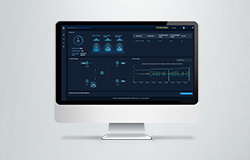
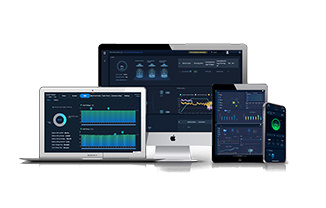
- User-Friendly Interface: Easy-to-navigate dashboards that display performance data in an accessible manner.
Benefits of Investing in Advanced Battery Monitoring Systems
Investing in an advanced battery monitoring system can yield significant benefits for both individuals and organizations. Here’s a closer look at these advantages:
Enhanced Battery Performance
ABMS enables users to monitor critical performance metrics continuously. By identifying issues early, users can optimize battery usage, leading to improved performance and efficiency. This level of monitoring can prevent overcharging, deep discharging, and thermal runaway, all of which can diminish battery life.
Increased Safety
Safety is paramount when dealing with batteries, especially lithium-ion types that can pose fire hazards if not monitored properly. ABMS can detect potential safety risks, providing timely alerts that allow users to take necessary precautions and avoid hazardous situations.
Cost Savings Over Time
While the initial investment in an ABMS may seem significant, the long-term savings can outweigh these costs. By extending battery life and reducing the need for replacements, organizations can save on capital expenditures. Additionally, optimized battery performance can lead to reduced energy costs.
Data-Driven Decision Making
Advanced battery monitoring systems provide valuable data that can inform strategic decisions. By analyzing trends in battery performance, organizations can refine their energy strategies, making data-driven decisions that enhance operational efficiency.
Cost-Effectiveness of Advanced Battery Monitoring Systems
Determining the cost-effectiveness of an ABMS involves considering both upfront costs and potential savings. The price of an ABMS can vary based on features, capabilities, and integration. However, the cost is often justified by the long-term benefits, including:
- Reduced Downtime: Early detection of battery issues minimizes downtime, ensuring that operations run smoothly.
- Lower Insurance Premiums: Enhanced safety features may lead to reduced insurance costs for businesses.
- Improved Operational Efficiency: Streamlined processes and data analytics contribute to overall efficiency gains.
Real-World Applications of ABMS
Advanced battery monitoring systems are utilized across various industries, demonstrating their versatility and effectiveness:
Electric Vehicles
In the automotive sector, ABMS are crucial for managing battery health in electric vehicles (EVs). They help monitor battery performance, ensuring optimal charging and discharging cycles, which are vital for maximizing range and battery lifespan.
Renewable Energy Storage
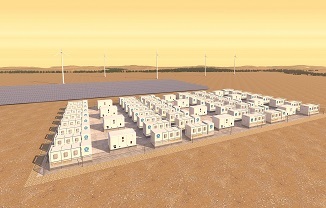
With the rise of renewable energy sources, effective battery management is essential for energy storage systems. ABMS enhance the reliability of these systems by providing insights into battery performance, facilitating better energy management and integration with the grid.
Consumer Electronics
In consumer electronics, ABMS can improve the user experience by optimizing battery life and providing users with real-time information about their device’s battery health. This enhances device longevity and user satisfaction.
Challenges and Limitations of ABMS
Despite their numerous advantages, there are challenges and limitations associated with advanced battery monitoring systems:
Initial Investment Costs
The upfront costs associated with implementing an ABMS can be significant, particularly for small businesses. This can deter some organizations from adopting this technology, despite its long-term benefits.
Complexity of Integration
Integrating ABMS with existing systems can be complex and may require additional resources and expertise. Organizations must carefully consider their current infrastructure and the compatibility of new technologies.
Dependence on Accurate Data
The effectiveness of an ABMS is highly dependent on the accuracy of the data it collects. Poor-quality sensors or data transmission issues can lead to inaccurate readings, which can compromise decision-making.
Future Trends in Battery Monitoring Technology
The landscape of battery monitoring technology is continually evolving. Several trends are emerging that will shape the future of ABMS:
Artificial Intelligence and Machine Learning
Integrating AI and machine learning algorithms into ABMS will enhance their predictive capabilities. These technologies can analyze historical data and identify patterns, leading to improved decision-making and proactive maintenance strategies.
Enhanced Data Security
As battery monitoring systems become more interconnected, ensuring data security will be paramount. Future systems will likely incorporate advanced encryption and security protocols to protect sensitive information.
Wireless Technologies
The shift toward wireless communication will improve the convenience and flexibility of ABMS. Wireless sensors and data transmission will simplify installation and reduce maintenance complexity.
Frequently Asked Questions
1. What is an advanced battery monitoring system?
An advanced battery monitoring system is a technology that continuously tracks and analyzes the performance and health of batteries, providing real-time data and insights to optimize their usage and lifespan.
2. How does an ABMS improve battery lifespan?
By monitoring critical performance metrics and providing alerts for potential issues, an ABMS helps prevent conditions such as overcharging and deep discharging, which can significantly reduce battery lifespan.
3. Are advanced battery monitoring systems expensive?
The initial investment can be significant, but the long-term savings from optimized battery performance and extended lifespan often justify the cost.
4. Can ABMS be used in consumer electronics?
Yes, ABMS can be implemented in consumer electronics to enhance battery management, improve user experience, and extend device lifespan.
5. What are the future trends in battery monitoring technology?
Future trends include the integration of AI and machine learning, enhanced data security, and the adoption of wireless technologies for easier installation and management.
Conclusion
In conclusion, advanced battery monitoring systems represent a valuable investment for anyone looking to optimize battery performance, enhance safety, and achieve long-term cost savings. Despite some challenges, the benefits of ABMS far outweigh the drawbacks, making them an essential tool in today's battery-driven world. As technology continues to evolve, the potential for even greater advancements in battery monitoring systems is promising, further solidifying their importance across various industries.
MORE NEWS

2026-06-23
Advanced Battery Monitoring Systems: Are They Worth the Investment?

2026-06-22
Understanding Energy Management Systems in Consumer Electronics: A Guide for Battery and Charger Users

2026-06-21
From Concept to Reality: How All-In-One Energy Storage Works

2026-06-20
Revolutionizing Energy Management: The Containerized Energy Storage System
CONTACT US
Vilion (Shenzhen) New Energy Technology Co., Ltd
Add: Lianzhan Industrial Park, No.2 Lanjing North Road, Pingshan District, Shenzhen, China
Vilion Tech B. V.
Add: Fascinatio Boulevard 216 Unit 220, 3065WB Rotterdam
Vilion Tech (UK) Ltd
Add: London, united kingdom


Copyright©2024 Vilion (Shenzhen) New Energy Technology Co., Ltd