

-
Battery ESSMaximize the value of renewables and energy storage by much safer and more professional products.
-
C&I SolutionsLaying the efficient, flexible and economical "smart energy sponge" with energy storage technology to realize green energy to flow on demand.
-
Technology & ServicePursuing a new energy world driven by technological innovation in the electricity and IoT.
-
About VilionIndependent R&D, system integration, software development, O&M and dismantling&recycling, Vilion is a full life cycle partner.






Understanding Energy Management Systems in Consumer Electronics: A Guide for Battery and Charger Users
2026-06-22
Energy Management Systems (EMS) are essential components in the realm of consumer electronics, particularly when it comes to batteries and chargers. As technology progresses, the demand for efficient energy usage has become more pressing. EMS plays a crucial role in managing how energy is consumed, stored, and distributed within devices, ensuring they operate at optimal levels.
An EMS primarily involves a combination of hardware and software designed to monitor and control energy use. In the context of charging batteries, it facilitates the intelligent management of power consumption, allowing devices to charge quicker while minimizing energy waste. This not only enhances the longevity of the battery but also improves its overall performance.
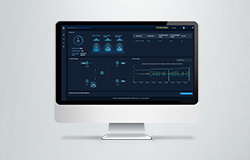
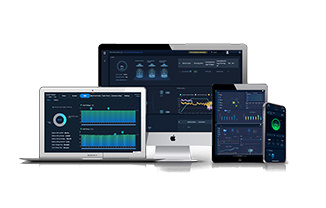
One of the key benefits of an EMS is its ability to provide real-time data and analytics. Users can gain insights into their energy consumption patterns, which can inform decisions about usage and charging habits. For instance, knowing when energy prices are at their peak can help users schedule charging during off-peak hours, thus conserving energy and reducing costs.
Furthermore, an effective EMS is pivotal for safety and reliability. Advanced systems can prevent overcharging or overheating, both of which are common risks associated with battery use. By integrating protective measures and continuous monitoring, EMS helps mitigate these risks, ensuring that batteries operate safely throughout their lifecycle.
The efficiency of an EMS also extends beyond individual devices. In broader applications, such as in smart homes or commercial buildings, these systems can coordinate with various energy sources, including renewable energy. This synergy not only promotes sustainability but also enhances the resilience of energy supply, reducing dependence on traditional energy sources.
In addition, consumers are increasingly aware of environmental impacts, prompting manufacturers to develop more energy-efficient products. By incorporating EMS in battery and charger design, companies can contribute to energy conservation efforts, appealing to eco-conscious consumers. This not only benefits the planet but can also enhance the marketability of products.
In conclusion, Energy Management Systems represent a pivotal advancement in the consumer electronics industry, particularly for battery and charger applications. By optimizing energy efficiency, enhancing safety, and providing valuable insights, EMS is transforming how consumers interact with their devices while promoting sustainable practices. Understanding the functionalities and advantages of EMS can empower users to make more informed choices, ultimately leading to improved device performance and energy conservation.
An EMS primarily involves a combination of hardware and software designed to monitor and control energy use. In the context of charging batteries, it facilitates the intelligent management of power consumption, allowing devices to charge quicker while minimizing energy waste. This not only enhances the longevity of the battery but also improves its overall performance.
One of the key benefits of an EMS is its ability to provide real-time data and analytics. Users can gain insights into their energy consumption patterns, which can inform decisions about usage and charging habits. For instance, knowing when energy prices are at their peak can help users schedule charging during off-peak hours, thus conserving energy and reducing costs.
Furthermore, an effective EMS is pivotal for safety and reliability. Advanced systems can prevent overcharging or overheating, both of which are common risks associated with battery use. By integrating protective measures and continuous monitoring, EMS helps mitigate these risks, ensuring that batteries operate safely throughout their lifecycle.
The efficiency of an EMS also extends beyond individual devices. In broader applications, such as in smart homes or commercial buildings, these systems can coordinate with various energy sources, including renewable energy. This synergy not only promotes sustainability but also enhances the resilience of energy supply, reducing dependence on traditional energy sources.
In addition, consumers are increasingly aware of environmental impacts, prompting manufacturers to develop more energy-efficient products. By incorporating EMS in battery and charger design, companies can contribute to energy conservation efforts, appealing to eco-conscious consumers. This not only benefits the planet but can also enhance the marketability of products.
In conclusion, Energy Management Systems represent a pivotal advancement in the consumer electronics industry, particularly for battery and charger applications. By optimizing energy efficiency, enhancing safety, and providing valuable insights, EMS is transforming how consumers interact with their devices while promoting sustainable practices. Understanding the functionalities and advantages of EMS can empower users to make more informed choices, ultimately leading to improved device performance and energy conservation.
MORE NEWS

2026-06-23
Advanced Battery Monitoring Systems: Are They Worth the Investment?
Advanced Battery Monitoring Systems: Are They Worth the Investment?
In today’s fast-paced world, the efficiency and longevity of battery systems play a crucial role across various sectors, from consumer electronics to electric vehicles. As technology evolves, so does the need for sophisticated tools to manage these battery systems effectively. One such innovation is the advanced battery monitoring

2026-06-22
Understanding Energy Management Systems in Consumer Electronics: A Guide for Battery and Charger Users
Energy Management Systems (EMS) are essential components in the realm of consumer electronics, particularly when it comes to batteries and chargers. As technology progresses, the demand for efficient energy usage has become more pressing. EMS plays a crucial role in managing how energy is consumed, stored, and distributed within devices, ensuring they operate at optimal levels.
An EMS primarily in

2026-06-21
From Concept to Reality: How All-In-One Energy Storage Works
From Concept to Reality: How All-In-One Energy Storage Works
Table of Contents
1. Introduction to All-In-One Energy Storage
2. Understanding Energy Storage Technologies
3. Why Energy Storage Matters in Today's World
4. Key Components of All-In-One Energy Storage Systems
5. How All-In-One Energy Storage Systems Work
6. Applications of All-In-One Energy Storage Systems
7

2026-06-20
Revolutionizing Energy Management: The Containerized Energy Storage System
The Containerized Energy Storage System (CESS) represents a significant advancement in energy management and storage solutions, particularly within the context of the rapidly evolving consumer electronics sector. CESS typically consists of energy storage devices housed in standard shipping containers, allowing for high mobility and flexible deployment. This innovative approach has become increasin
CONTACT US
Vilion (Shenzhen) New Energy Technology Co., Ltd
Add: Lianzhan Industrial Park, No.2 Lanjing North Road, Pingshan District, Shenzhen, China
Vilion Tech B. V.
Add: Fascinatio Boulevard 216 Unit 220, 3065WB Rotterdam
Vilion Tech (UK) Ltd
Add: London, united kingdom


Copyright©2024 Vilion (Shenzhen) New Energy Technology Co., Ltd