

-
Battery ESSMaximize the value of renewables and energy storage by much safer and more professional products.
-
C&I SolutionsLaying the efficient, flexible and economical "smart energy sponge" with energy storage technology to realize green energy to flow on demand.
-
Technology & ServicePursuing a new energy world driven by technological innovation in the electricity and IoT.
-
About VilionIndependent R&D, system integration, software development, O&M and dismantling&recycling, Vilion is a full life cycle partner.












Innovations in Battery Monitoring Systems: Essential Insights for the Future
2026-11-15
Innovations in Battery Monitoring Systems: What You Need to Know
Table of Contents
- Understanding Battery Monitoring Systems
- The Importance of Battery Monitoring in Modern Technology
- Key Innovations in Battery Monitoring Systems
- How Battery Monitoring Systems Work
- Applications of Battery Monitoring Systems
- Challenges and Limitations of Current Systems
- The Future of Battery Monitoring Technologies
- Frequently Asked Questions (FAQs)
- Conclusion
Understanding Battery Monitoring Systems
Battery monitoring systems (BMS) are crucial components in the management and optimization of battery performance in various applications, including consumer electronics, electric vehicles, and renewable energy storage. A battery monitoring system continuously tracks the health, capacity, and temperature of batteries, ensuring they operate efficiently and safely.
At their core, these systems collect data from batteries and relay this information to users or other devices, allowing for real-time monitoring and management. By doing so, BMS helps prevent overcharging, undercharging, and thermal runaway, which can lead to reduced battery life or catastrophic failures.
The Importance of Battery Monitoring in Modern Technology
As our reliance on battery-powered devices grows, the need for effective battery management becomes increasingly critical. Here are several reasons why battery monitoring systems are essential:
Enhancing Safety
One of the primary reasons for implementing a BMS is to enhance safety. Batteries, particularly lithium-ion types, can pose risks if not properly managed. Monitoring systems detect anomalies such as overheating or over-voltage conditions, alerting users to potential dangers.
Improving Battery Lifespan
Battery longevity is a crucial factor for consumers and manufacturers alike. By providing real-time data, BMS allows for optimized charging cycles, reducing wear and tear on battery cells and ultimately extending their lifespan.
Boosting Performance
Innovative BMS technologies can improve the overall performance of batteries by ensuring they operate within their optimal parameters. Real-time data allows for efficient energy management, enabling devices to perform better and last longer.
Facilitating Energy Efficiency
As energy costs rise and environmental concerns mount, efficient energy usage has become paramount. Battery monitoring systems contribute to energy efficiency by managing energy storage and discharge cycles, allowing for smarter energy consumption.
Key Innovations in Battery Monitoring Systems
Battery monitoring technology has evolved significantly over the past few years. Several key innovations have emerged, enhancing functionality, accuracy, and ease of use.
Smart Battery Management Systems
Smart BMS integrates IoT (Internet of Things) technology, enabling remote monitoring and control of battery systems through smartphones or computers. This connectivity allows users to analyze performance data and receive alerts in real-time.
Advanced Data Analytics and Machine Learning
The incorporation of advanced data analytics and machine learning algorithms into BMS has revolutionized battery management. These technologies provide predictive insights, allowing for proactive maintenance and optimization, thereby preventing failures before they occur.
Wireless Monitoring Solutions
Traditional battery monitoring systems often relied on wired connections, which could limit flexibility. Wireless BMS solutions, utilizing technologies like Bluetooth and Wi-Fi, offer greater installation ease and flexibility for various applications.
Temperature and Humidity Sensors
Integrating temperature and humidity sensors into BMS allows for better environmental monitoring. These sensors provide critical data that can affect battery performance, ensuring optimal operating conditions and preventing damage due to environmental factors.
Modular and Scalable Designs
Modern BMS solutions are increasingly designed to be modular and scalable to accommodate varying battery sizes and capacities. This flexibility makes it easier for manufacturers to implement battery monitoring across different devices and applications.
How Battery Monitoring Systems Work
Understanding the inner workings of battery monitoring systems is essential for grasping their significance. Here’s a breakdown of how these systems operate:
Data Collection
At the heart of a BMS is its ability to collect data from battery cells. This data typically includes voltage, current, temperature, and state of charge (SOC). Sensors placed on or within the battery pack gather this information continuously.
Data Transmission
Once the data is collected, it is transmitted to a central processing unit (CPU) within the BMS. This can be done via wired connections or, increasingly, wirelessly. The CPU processes the data, performing calculations to determine the battery’s health and status.
Data Analysis and User Interface
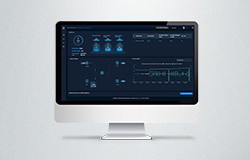
The processed data is analyzed to derive meaningful insights. This information can be displayed on a user interface, providing users with real-time updates on battery performance, alerts for any irregularities, and historical data for analysis.
Applications of Battery Monitoring Systems
Battery monitoring systems are employed across various industries and applications, each benefiting from the enhanced oversight and management capabilities.
Consumer Electronics
In the realm of consumer electronics, BMS plays a vital role in smartphones, laptops, and wearable devices. These systems ensure that devices operate efficiently, extending battery life and enhancing user experience.
Electric Vehicles (EVs)
The automotive industry has embraced BMS as a cornerstone technology for electric vehicles. A BMS helps manage the vehicle's battery pack, optimizing performance and ensuring safety during operation.
Renewable Energy Systems
Renewable energy systems, such as solar and wind, rely on battery storage to manage energy supply and demand. BMS facilitates effective energy management, ensuring that stored energy is used efficiently and safely.
Telecommunications
Telecommunication networks utilize BMS to monitor backup power systems. This is essential for maintaining uptime during power outages or fluctuations, ensuring reliable service.
Challenges and Limitations of Current Systems
Despite the advancements in battery monitoring systems, there are still challenges and limitations to consider:
Cost of Implementation
While the technology has advanced, the cost associated with implementing sophisticated BMS can be prohibitive for some applications, particularly in consumer markets.
Complexity of Systems
As BMS technology becomes more sophisticated, the complexity of these systems can also increase. This can make them more challenging to install, maintain, and troubleshoot, particularly for non-technical users.
Data Security Concerns
With the rise of IoT-enabled BMS comes the potential for data breaches. Ensuring the security of sensitive battery performance data is a critical concern that manufacturers must address.
The Future of Battery Monitoring Technologies
The future of battery monitoring systems looks promising, with several trends emerging that are set to redefine the landscape.
Increased Integration with Smart Grids
As smart grid technologies advance, the integration of battery monitoring systems into these networks will become more prevalent, allowing for optimized energy distribution and usage.
Enhanced Predictive Maintenance
The utilization of AI and machine learning will lead to further improvements in predictive maintenance capabilities. Future systems will be able to forecast battery failures with greater accuracy, minimizing downtime and maintenance costs.
Focus on Sustainability
As industries strive for greener solutions, battery monitoring systems will likely incorporate features that enhance recycling and sustainability efforts, contributing to a circular economy.
Frequently Asked Questions (FAQs)
1. What is a battery monitoring system?
A battery monitoring system (BMS) is a technology that tracks the health, capacity, and performance of batteries in real-time, ensuring safe and efficient operation.
2. Why is battery monitoring important?
Battery monitoring is crucial for enhancing safety, improving battery lifespan, boosting performance, and facilitating energy efficiency in various applications.
3. What are the key features of modern battery monitoring systems?
Key features of modern BMS include smart connectivity, advanced data analytics, wireless monitoring, environmental sensors, and modular designs.
4. How does battery monitoring contribute to sustainability?
By optimizing battery performance and lifespan, battery monitoring systems help reduce waste and promote efficient energy usage, contributing to sustainability efforts.
5. What are the challenges faced by battery monitoring systems?
Challenges include implementation costs, system complexity, and data security concerns associated with IoT connectivity.
Conclusion
As innovations in battery monitoring systems continue to evolve, they play an increasingly vital role in enhancing the performance, safety, and efficiency of battery-operated devices. From consumer electronics to electric vehicles and renewable energy applications, the implications of effective battery monitoring are far-reaching. As we move toward a more energy-conscious future, the advancements in BMS technologies will undoubtedly shape the way we manage energy storage and consumption, paving the way for smarter, more sustainable solutions.
MORE NEWS

2026-11-15
Innovations in Battery Monitoring Systems: Essential Insights for the Future
Innovations in Battery Monitoring Systems: What You Need to Know
Table of Contents
Understanding Battery Monitoring Systems
The Importance of Battery Monitoring in Modern Technology
Key Innovations in Battery Monitoring Systems
How Battery Monitoring Systems Work
Applications of Battery Monitoring Systems
Challenges and Limitations of Current Systems
The Future of Battery Monitori

2026-11-13
Maximizing Efficiency: The Role of Energy Management Systems in Battery Charging
In today’s rapidly evolving technological landscape, the need for efficient energy management has never been more crucial, especially in the realm of batteries and chargers. An Energy Management System (EMS) serves as a strategic approach to monitoring, controlling, and optimizing the use of energy resources. This system is instrumental in ensuring that energy consumption is both effective and sus

2026-11-11
Sustainable Energy Made Easy: The Role of All-In-One Storage Solutions in Modern Energy Management
Sustainable Energy Made Easy: The Role of All-In-One Storage Solutions
Table of Contents
Introduction to Sustainable Energy and Storage Solutions
What is All-In-One Storage?
Benefits of All-In-One Storage Solutions
How All-In-One Storage Works
Applications of All-In-One Storage in Daily Life
The Future of All-In-One Storage Solutions
Challenges and Considerations in Al
CONTACT US
Vilion (Shenzhen) New Energy Technology Co., Ltd
Add: Tower A, Building 1, Duocai Silicon Valley, No. 8 Juhe Road, Pingshan District, Shenzhen, China
Vilion Tech B. V.
Add: Fascinatio Boulevard 216 Unit 220, 3065WB Rotterdam
Vilion Tech (UK) Ltd
Add: Office 303B 10 Courtenay Rd., East Lane Business Park, Wembley, United Kingdom HA9 7ND


Copyright©2024 Vilion (Shenzhen) New Energy Technology Co., Ltd