

-
Battery ESSMaximize the value of renewables and energy storage by much safer and more professional products.
-
C&I SolutionsLaying the efficient, flexible and economical "smart energy sponge" with energy storage technology to realize green energy to flow on demand.
-
Technology & ServicePursuing a new energy world driven by technological innovation in the electricity and IoT.
-
About VilionIndependent R&D, system integration, software development, O&M and dismantling&recycling, Vilion is a full life cycle partner.




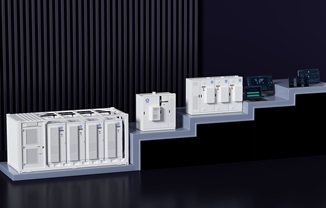


Unlocking the Future: The Role of Containerized Battery Energy Storage Systems in Consumer Electronics
2026-09-16
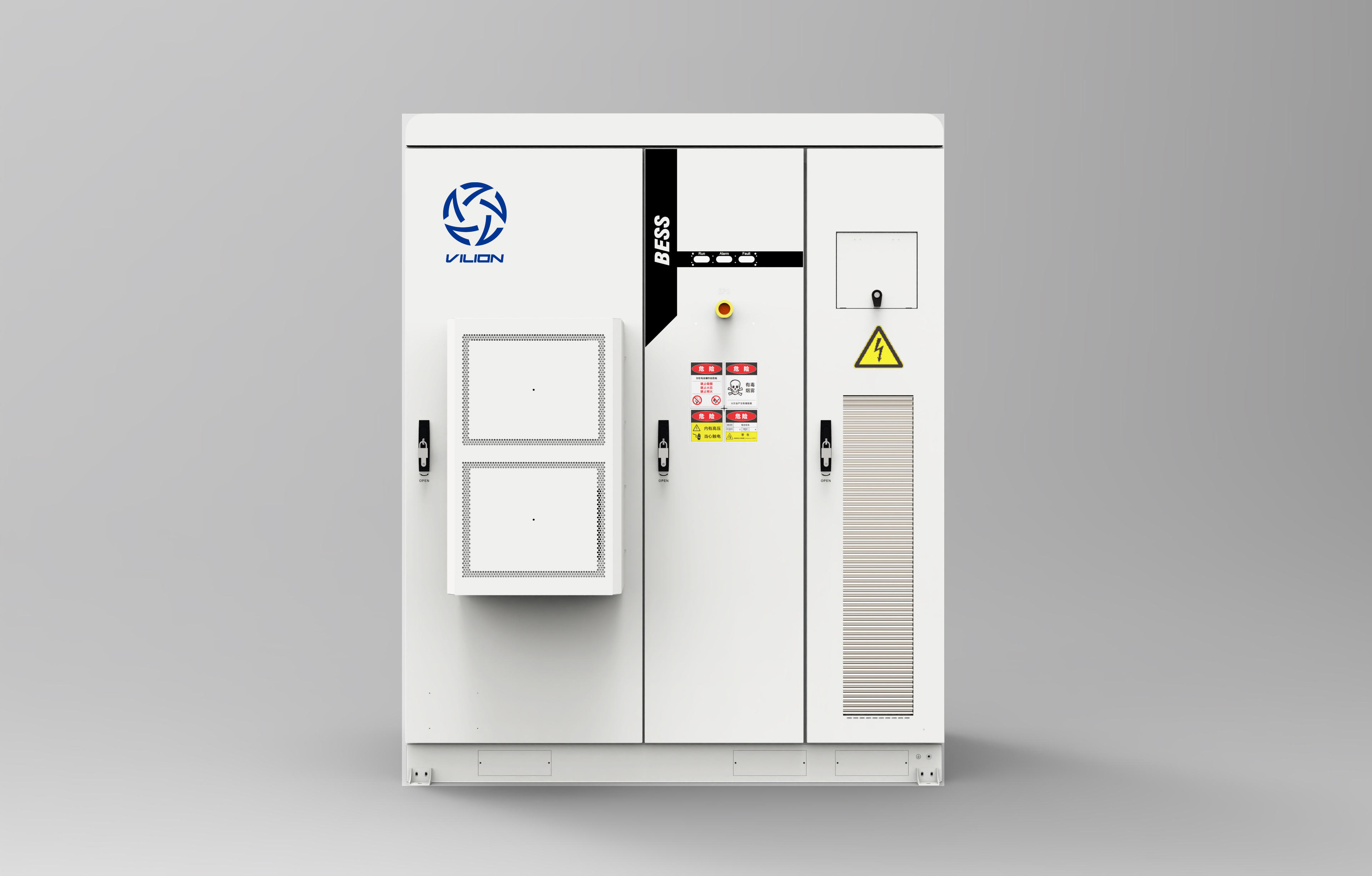
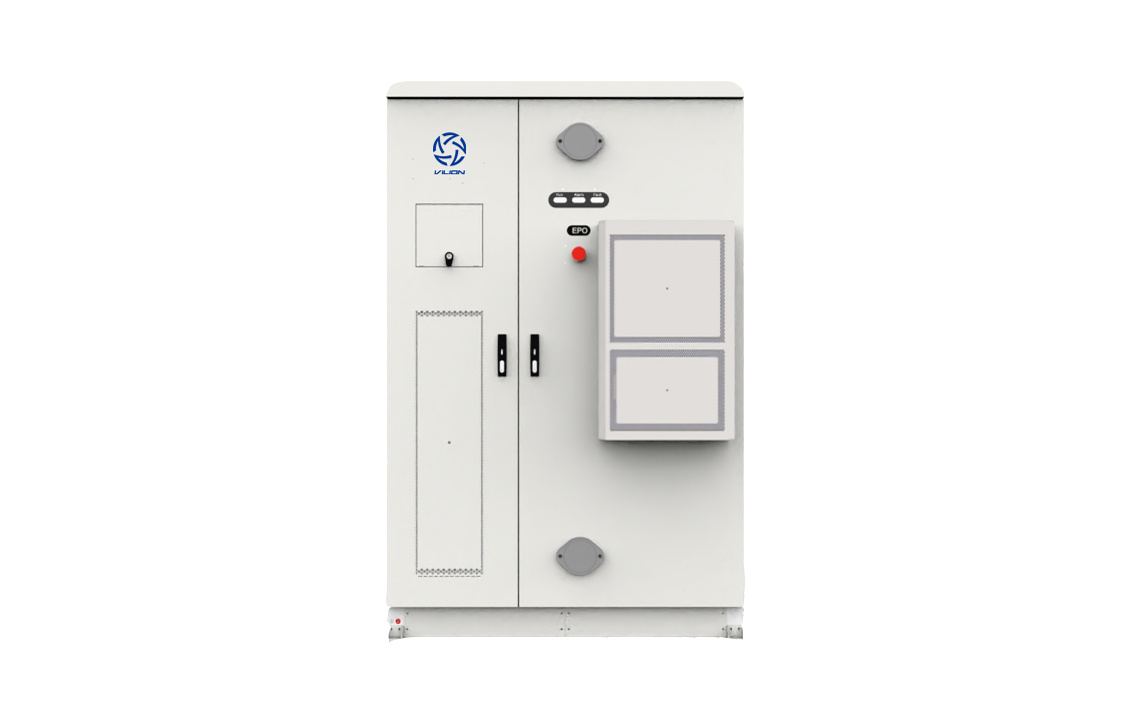
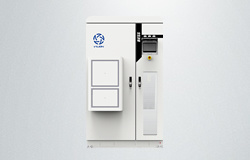
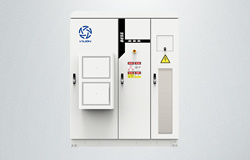
As the world shifts toward more sustainable energy solutions, the importance of Containerized Battery Energy Storage Systems (CBESS) has grown significantly, especially in the consumer electronics sector concerning batteries and chargers. CBESS offers a modular, scalable, and efficient way to store energy, making it an attractive option for industries looking to enhance their energy management systems.
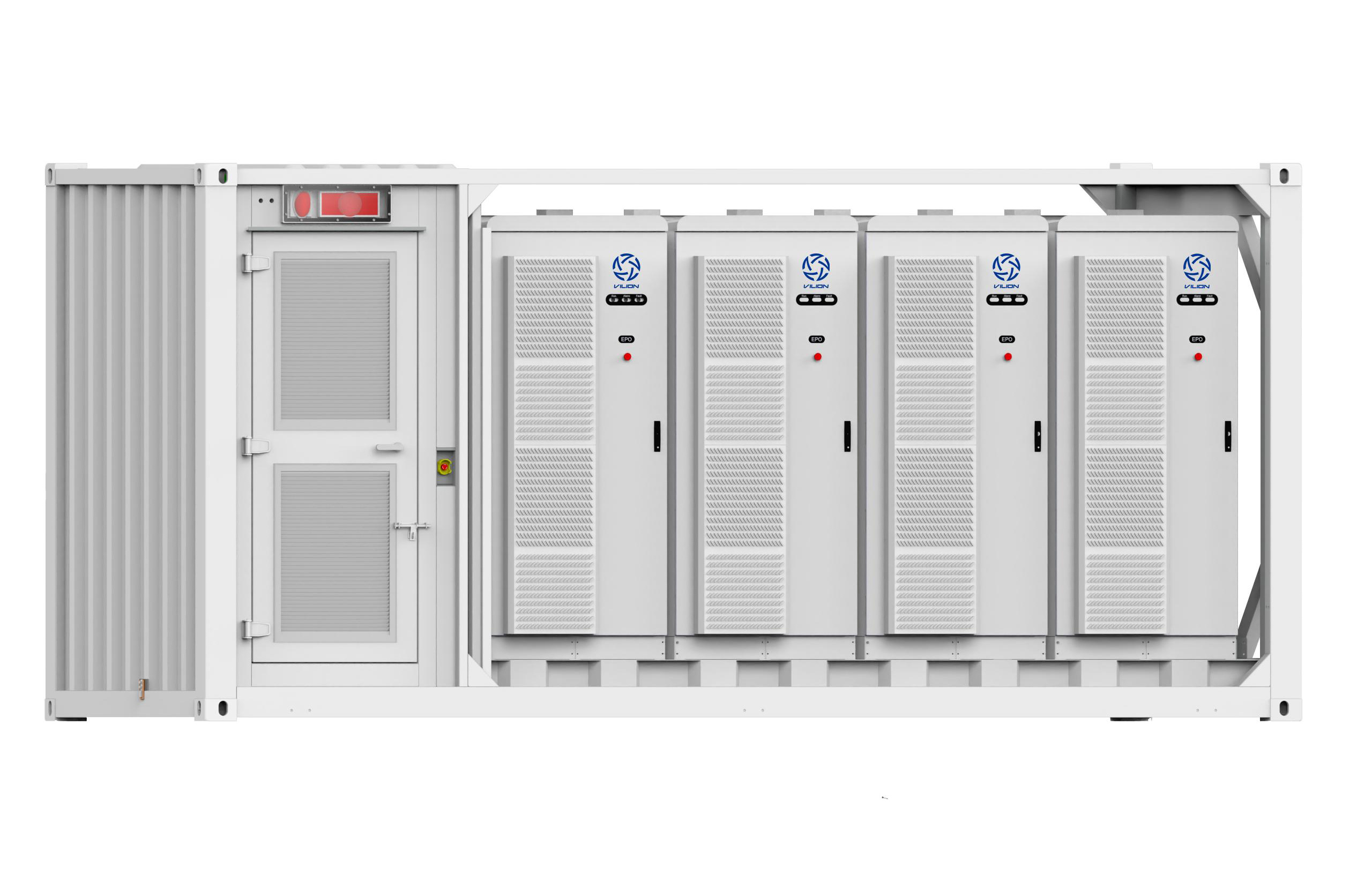
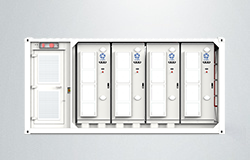
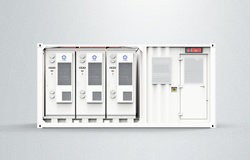
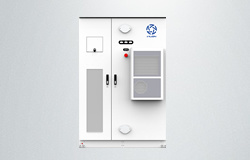
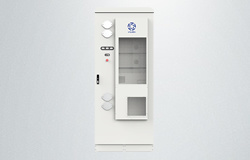
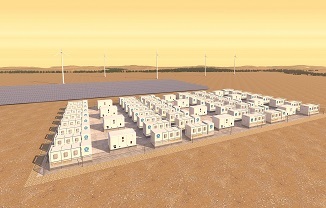
At its core, a Containerized Battery Energy Storage System consists of multiple battery units housed within a standard shipping container. This design allows for easy transportation and installation, making it feasible for various applications, from residential setups to larger commercial installations. The modular nature of CBESS means that energy storage can be expanded or reduced based on demand, providing flexibility that traditional energy storage methods often lack.
One of the primary advantages of CBESS is its capacity for rapid deployment. In the consumer electronics industry, where product development cycles are quick, having an energy storage solution that can be set up swiftly is vital. This agility allows companies to integrate renewable energy sources, such as solar or wind, into their operations, thereby reducing reliance on fossil fuels and minimizing carbon footprints.
Moreover, CBESS can enhance energy efficiency in battery charging processes. For instance, by storing excess energy during off-peak hours, businesses can power their operations during peak demand times, resulting in cost savings and improved grid stability. This not only benefits the bottom line but also contributes to a more sustainable energy ecosystem.
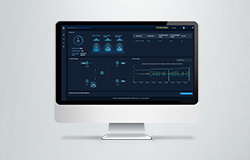
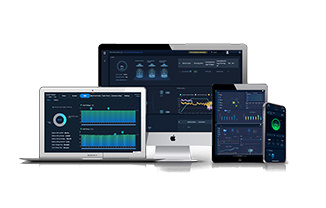
In addition, as technology advances, the integration of smart systems with CBESS can lead to enhanced monitoring and management capabilities. Utilizing IoT (Internet of Things) and AI (Artificial Intelligence), companies can optimize their energy use by analyzing consumption patterns and adjusting storage and charging strategies accordingly. This data-driven approach can lead to more informed decision-making, ultimately enhancing operational efficiency.
Furthermore, the increased focus on sustainability in consumer electronics means that companies adopting CBESS can align with consumer expectations for eco-friendly practices. As customers become more environmentally conscious, having a robust energy storage solution can serve as a differentiating factor, appealing to a market that values sustainability.
In conclusion, Containerized Battery Energy Storage Systems represent a significant advancement in the field of energy storage, particularly within the consumer electronics industry. By offering modularity, rapid deployment, enhanced energy efficiency, and alignment with sustainability goals, CBESS can empower professionals in the battery and charger market to innovate and lead in an increasingly competitive landscape. Embracing this technology could set the stage for a more sustainable and efficient future in energy management.
At its core, a Containerized Battery Energy Storage System consists of multiple battery units housed within a standard shipping container. This design allows for easy transportation and installation, making it feasible for various applications, from residential setups to larger commercial installations. The modular nature of CBESS means that energy storage can be expanded or reduced based on demand, providing flexibility that traditional energy storage methods often lack.
One of the primary advantages of CBESS is its capacity for rapid deployment. In the consumer electronics industry, where product development cycles are quick, having an energy storage solution that can be set up swiftly is vital. This agility allows companies to integrate renewable energy sources, such as solar or wind, into their operations, thereby reducing reliance on fossil fuels and minimizing carbon footprints.
Moreover, CBESS can enhance energy efficiency in battery charging processes. For instance, by storing excess energy during off-peak hours, businesses can power their operations during peak demand times, resulting in cost savings and improved grid stability. This not only benefits the bottom line but also contributes to a more sustainable energy ecosystem.
In addition, as technology advances, the integration of smart systems with CBESS can lead to enhanced monitoring and management capabilities. Utilizing IoT (Internet of Things) and AI (Artificial Intelligence), companies can optimize their energy use by analyzing consumption patterns and adjusting storage and charging strategies accordingly. This data-driven approach can lead to more informed decision-making, ultimately enhancing operational efficiency.
Furthermore, the increased focus on sustainability in consumer electronics means that companies adopting CBESS can align with consumer expectations for eco-friendly practices. As customers become more environmentally conscious, having a robust energy storage solution can serve as a differentiating factor, appealing to a market that values sustainability.
In conclusion, Containerized Battery Energy Storage Systems represent a significant advancement in the field of energy storage, particularly within the consumer electronics industry. By offering modularity, rapid deployment, enhanced energy efficiency, and alignment with sustainability goals, CBESS can empower professionals in the battery and charger market to innovate and lead in an increasingly competitive landscape. Embracing this technology could set the stage for a more sustainable and efficient future in energy management.
MORE NEWS

2026-09-16
Unlocking the Future: The Role of Containerized Battery Energy Storage Systems in Consumer Electronics
As the world shifts toward more sustainable energy solutions, the importance of Containerized Battery Energy Storage Systems (CBESS) has grown significantly, especially in the consumer electronics sector concerning batteries and chargers. CBESS offers a modular, scalable, and efficient way to store energy, making it an attractive option for industries looking to enhance their energy management sys

2026-09-14
Battery Energy Storage Systems: Transforming Load Management in the Energy Sector
Battery Energy Storage Systems: Transforming Load Management in the Energy Sector
Introduction to Battery Energy Storage Systems
Battery Energy Storage Systems (BESS) have emerged as a pivotal technology in the energy sector, particularly in enhancing load management. As the demand for reliable and sustainable energy solutions continues to grow, BESS provides a robust mechanism for addressing chal

2026-09-12
Unlocking the Future of Energy: Understanding High Power Battery Storage
High power battery storage has emerged as a critical component in the realm of consumer electronics, particularly in the battery and charger sector. With the increasing demand for efficient and reliable energy sources, understanding the intricacies of high power battery storage is essential for consumers and manufacturers alike.
High power battery storage systems are designed to deliver significan

2026-09-11
Vilion Holds Intellectual Property Training to Strengthen R&D Innovation and Patent Protection Awareness
On September 10, Vilion organized a professional training session on intellectual property for all members of the Product Development Center and the Platform & Component Technology R&D Center.
CONTACT US
Vilion (Shenzhen) New Energy Technology Co., Ltd
Add: Tower A, Building 1, Duocai Silicon Valley, No. 8 Juhe Road, Pingshan District, Shenzhen, China
Vilion Tech B. V.
Add: Fascinatio Boulevard 216 Unit 220, 3065WB Rotterdam
Vilion Tech (UK) Ltd
Add: Office 303B 10 Courtenay Rd., East Lane Business Park, Wembley, United Kingdom HA9 7ND


Copyright©2024 Vilion (Shenzhen) New Energy Technology Co., Ltd