

-
Battery ESSMaximize the value of renewables and energy storage by much safer and more professional products.
-
C&I SolutionsLaying the efficient, flexible and economical "smart energy sponge" with energy storage technology to realize green energy to flow on demand.
-
Technology & ServicePursuing a new energy world driven by technological innovation in the electricity and IoT.
-
About VilionIndependent R&D, system integration, software development, O&M and dismantling&recycling, Vilion is a full life cycle partner.







Enhancing Energy Management Systems in Consumer Electronics: A Comprehensive Guide
2026-08-19
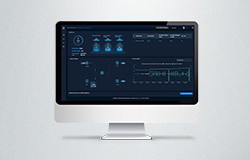
As the demand for consumer electronics continues to rise, so does the necessity for advanced Energy Management Systems (EMS) in the production and operation of batteries and chargers. An EMS is designed to optimize energy consumption and improve the efficiency of energy systems, making it particularly relevant in the context of charging batteries.
At its core, an EMS is a technological framework that enables the monitoring, control, and analysis of energy usage within devices. In the consumer electronics sector, an effective EMS can help companies ensure that their products are not only energy-efficient but also meet the growing consumer demand for sustainability. By implementing an EMS, manufacturers can track battery performance, optimize charging cycles, and reduce energy wastage.
One of the primary benefits of an EMS in battery management is its ability to extend battery life. Through intelligent monitoring, an EMS can provide real-time data on battery health, charge cycles, and temperature. This information is crucial for preventing overcharging, which can degrade battery performance and lead to shorter lifespans. By understanding these parameters, manufacturers can design smarter charging systems that automatically adjust to the battery's needs, resulting in longer-lasting products.
Moreover, an EMS plays a vital role in enhancing overall device performance. By optimizing energy use, an EMS can ensure that devices are functioning at peak efficiency, reducing the risk of performance drops during critical tasks. For instance, in high-drain applications, an EMS can prioritize energy allocation to essential functions, ensuring that devices maintain operational integrity even under maximum load.
In addition to improving product performance, adopting an EMS also aligns with global sustainability goals. As consumers become increasingly aware of their environmental impact, there is a growing expectation for electronics to be energy-efficient. By implementing robust energy management strategies, companies can not only reduce their carbon footprint but also appeal to a market that prioritizes eco-friendly practices.
Integrating an EMS into the product design and manufacturing process requires a strategic approach. Companies should consider investing in research and development to explore innovative energy management technologies. Collaborating with experts in the field can also provide valuable insights into best practices and emerging trends.
In conclusion, the integration of Energy Management Systems into the consumer electronics industry, particularly in the realm of batteries and chargers, is not merely a trend but a necessity. By focusing on energy efficiency, manufacturers can enhance product longevity, improve performance, and meet the increasing consumer demand for sustainable solutions. Embracing EMS will pave the way for a more responsible and efficient future in electronic devices.
MORE NEWS

2026-11-17
Unlocking the Future: The Role of High Power Battery Storage in Consumer Electronics
In recent years, high power battery storage has emerged as a game-changer in the realm of consumer electronics, particularly when it comes to charging batteries. As our reliance on electronic devices continues to grow, understanding the capabilities and significance of high power battery storage becomes crucial. These innovative battery systems are designed to provide efficient energy storage solu

2026-11-15
Innovations in Battery Monitoring Systems: Essential Insights for the Future
Innovations in Battery Monitoring Systems: What You Need to Know
Table of Contents
Understanding Battery Monitoring Systems
The Importance of Battery Monitoring in Modern Technology
Key Innovations in Battery Monitoring Systems
How Battery Monitoring Systems Work
Applications of Battery Monitoring Systems
Challenges and Limitations of Current Systems
The Future of Battery Monitori

2026-11-13
Maximizing Efficiency: The Role of Energy Management Systems in Battery Charging
In today’s rapidly evolving technological landscape, the need for efficient energy management has never been more crucial, especially in the realm of batteries and chargers. An Energy Management System (EMS) serves as a strategic approach to monitoring, controlling, and optimizing the use of energy resources. This system is instrumental in ensuring that energy consumption is both effective and sus

2026-11-11
Sustainable Energy Made Easy: The Role of All-In-One Storage Solutions in Modern Energy Management
Sustainable Energy Made Easy: The Role of All-In-One Storage Solutions
Table of Contents
Introduction to Sustainable Energy and Storage Solutions
What is All-In-One Storage?
Benefits of All-In-One Storage Solutions
How All-In-One Storage Works
Applications of All-In-One Storage in Daily Life
The Future of All-In-One Storage Solutions
Challenges and Considerations in Al
CONTACT US
Vilion (Shenzhen) New Energy Technology Co., Ltd
Add: Tower A, Building 1, Duocai Silicon Valley, No. 8 Juhe Road, Pingshan District, Shenzhen, China
Vilion Tech B. V.
Add: Fascinatio Boulevard 216 Unit 220, 3065WB Rotterdam
Vilion Tech (UK) Ltd
Add: Office 303B 10 Courtenay Rd., East Lane Business Park, Wembley, United Kingdom HA9 7ND


Copyright©2024 Vilion (Shenzhen) New Energy Technology Co., Ltd