

-
Battery ESSMaximize the value of renewables and energy storage by much safer and more professional products.
-
C&I SolutionsLaying the efficient, flexible and economical "smart energy sponge" with energy storage technology to realize green energy to flow on demand.
-
Technology & ServicePursuing a new energy world driven by technological innovation in the electricity and IoT.
-
About VilionIndependent R&D, system integration, software development, O&M and dismantling&recycling, Vilion is a full life cycle partner.





Energy Storage Systems: Your Key to Sustainable Gadget Power
2026-06-17
Energy Storage Systems: Your Key to Sustainable Gadget Power
In an era dominated by technology, our obsession with gadgets continues to grow. However, this dependency comes with significant environmental challenges. The quest for sustainable energy solutions has led to the development of Energy Storage Systems (ESS), which not only promise to enhance the longevity and efficiency of our devices but also contribute to a greener planet. This article delves into the workings, advantages, and future of energy storage systems, presenting them as the cornerstone of our electronic future.
Table of Contents
- What Are Energy Storage Systems?
- How Energy Storage Systems Work
- Types of Energy Storage Systems
- Benefits of Energy Storage Systems
- Applications of Energy Storage Systems
- Future of Energy Storage Systems
- Challenges in Energy Storage Technology
- Frequently Asked Questions
What Are Energy Storage Systems?
Energy Storage Systems (ESS) are technologies that capture and store energy for later use. They play a vital role in balancing supply and demand within energy grids, allowing users to store power generated during off-peak times and consume it during peak hours. ESS can utilize various methods and technologies to store energy, which makes them adaptable to different applications and scales, from small consumer electronics to large-scale renewable energy systems.
How Energy Storage Systems Work
The functionality of an Energy Storage System hinges on its ability to convert energy into a storable form. This could involve chemical, mechanical, or thermal processes. For example, in batteries, chemical reactions are utilized to store energy. In flywheels, mechanical energy is stored in a rotating mass. The stored energy can then be released back into the system whenever necessary, ensuring a reliable power supply and minimizing interruptions.
Energy Conversion and Storage Mechanisms
ESS typically operate on three primary principles: energy conversion, energy storage, and energy retrieval. During energy conversion, systems collect surplus energy when demand is low. The energy storage phase involves converting this energy into a storable format. Finally, during retrieval, the stored energy is converted back into usable electricity when needed.
Types of Energy Storage Systems
Batteries
Batteries are perhaps the most recognizable form of energy storage. They utilize electrochemical processes to store energy. Lithium-ion batteries, which power everything from smartphones to electric vehicles, are known for their high energy density and efficiency. They are rapidly evolving, with advancements aimed at increasing their lifespan and sustainability.
Supercapacitors
Supercapacitors, also known as ultracapacitors, store energy through electrostatic charge. They can charge and discharge much faster than batteries, making them ideal for applications requiring rapid bursts of energy. Their longevity and ability to operate in extreme temperatures make them suitable for various consumer electronics.
Flywheels
Flywheel energy storage systems use a rotating mass to store kinetic energy. When energy is supplied, the flywheel spins faster, storing energy. When energy is needed, the flywheel slows down, converting the kinetic energy back into electricity. Flywheels are known for their high power output and rapid response times.
Pumped Storage Hydropower
Pumped storage hydropower systems are the largest form of energy storage used today. They work by pumping water uphill to a reservoir during low-demand periods and releasing it to generate electricity during high-demand periods. This method is particularly effective for balancing grid supply and demand and integrating renewable energy sources.
Benefits of Energy Storage Systems
Energy Storage Systems offer numerous advantages that contribute to a sustainable and efficient future:
1. Enhanced Energy Efficiency
ESS enables users to store energy generated from renewable sources, such as solar and wind, for later use. This maximizes the utilization of clean energy, reducing reliance on fossil fuels.
2. Cost Savings
By storing energy during off-peak hours when electricity rates are lower, users can significantly cut down on energy costs. This is particularly beneficial in regions with time-of-use pricing plans.
3. Grid Stability
Energy Storage Systems help balance supply and demand in the grid, providing stability and reliability. They can quickly respond to fluctuations in energy demand, reducing the risk of blackouts.
4. Environmental Benefits
ESS supports the transition to renewable energy, which is crucial in reducing carbon emissions. By capturing surplus energy from renewables, they minimize the need for fossil fuel power plants.
5. Versatility
Energy Storage Systems can be used in various applications, from powering small gadgets to stabilizing large power grids. This adaptability makes them essential for future energy solutions.
Applications of Energy Storage Systems
The versatility of Energy Storage Systems allows for a wide range of applications:
1. Consumer Electronics
From smartphones to laptops, ESS helps in enhancing battery life and efficiency, allowing users to enjoy longer usage times without frequent recharging.
2. Electric Vehicles
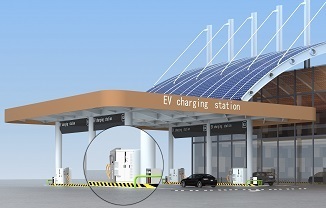
Electric vehicles rely heavily on advanced battery technology to maximize range and performance. Energy Storage Systems play a crucial role in the development of more efficient and sustainable EVs.
3. Renewable Energy Integration
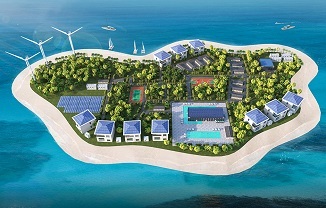
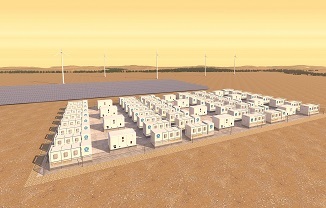
ESS facilitates the integration of renewable energy sources by storing excess energy generated during peak production times, which can be utilized when production is low.
4. Industrial Applications
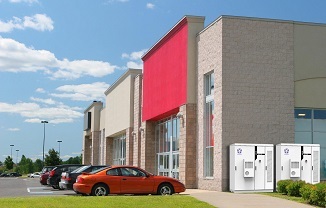
Industries utilize ESS for load shifting, reducing peak energy costs, and ensuring a stable power supply during production processes.
Future of Energy Storage Systems
The future of Energy Storage Systems looks promising, with ongoing research and development aimed at improving efficiency, reducing costs, and enhancing sustainability.
1. Technological Innovations
Advancements in materials science, such as solid-state batteries, promise higher energy densities and safer alternatives to traditional lithium-ion batteries. Innovations in supercapacitors and flywheel technology are also gaining traction.
2. Increased Adoption of Renewable Energy
As the world moves towards a low-carbon future, the demand for ESS will skyrocket, particularly in conjunction with renewable energy sources.
3. Smart Grids
Smart grid technology, which incorporates digital communication, will enable more efficient energy distribution and utilization, making ESS an integral part of the energy landscape.
Challenges in Energy Storage Technology
Despite the many advantages, Energy Storage Systems face several challenges that need to be addressed:
1. High Initial Costs
The upfront costs of installing Energy Storage Systems can be substantial, limiting their adoption, especially for residential users.
2. Limited Lifespan
Many types of energy storage technologies have a limited cycle life, leading to concerns about longevity and sustainability.
3. Environmental Concerns
The production and disposal of certain batteries can have negative environmental impacts, necessitating improved recycling processes and sustainable practices.
Frequently Asked Questions
1. What is the primary purpose of Energy Storage Systems?
The primary purpose of Energy Storage Systems is to capture and store energy for later use, ensuring a stable and efficient power supply while supporting renewable energy integration.
2. How long do batteries typically last?
The lifespan of batteries varies based on the type and usage, but most lithium-ion batteries last between 5 to 15 years, depending on the charging cycles and maintenance.
3. Can Energy Storage Systems save money on electricity bills?
Yes, by storing energy during off-peak hours and using it during peak hours, consumers can significantly reduce their electricity costs.
4. Are Energy Storage Systems environmentally friendly?
While they support the use of renewable energy and reduce reliance on fossil fuels, the production and disposal of some storage systems can pose environmental challenges. Sustainable practices are crucial.
5. What are the future trends in Energy Storage Systems?
Future trends include advancements in battery technology, increased integration with renewable energy sources, and the development of smart grid technologies to enhance efficiency and reliability.
Conclusion
The future of our gadgets and devices hinges on effective and sustainable Energy Storage Systems. With their ability to improve efficiency, reduce costs, and support the integration of renewable energy, ESS will play a pivotal role in shaping a greener world. As technology continues to advance and challenges are addressed, Energy Storage Systems will undoubtedly become the backbone of our energy landscape, ensuring that our love for gadgets does not come at the expense of our planet. By embracing these innovative solutions, we can power our devices responsibly, paving the way for a more sustainable future.
MORE NEWS

2026-09-16
Unlocking the Future: The Role of Containerized Battery Energy Storage Systems in Consumer Electronics

2026-09-14
Battery Energy Storage Systems: Transforming Load Management in the Energy Sector

2026-09-12
Unlocking the Future of Energy: Understanding High Power Battery Storage

2026-09-11
Vilion Holds Intellectual Property Training to Strengthen R&D Innovation and Patent Protection Awareness
CONTACT US
Vilion (Shenzhen) New Energy Technology Co., Ltd
Add: Tower A, Building 1, Duocai Silicon Valley, No. 8 Juhe Road, Pingshan District, Shenzhen, China
Vilion Tech B. V.
Add: Fascinatio Boulevard 216 Unit 220, 3065WB Rotterdam
Vilion Tech (UK) Ltd
Add: Office 303B 10 Courtenay Rd., East Lane Business Park, Wembley, United Kingdom HA9 7ND


Copyright©2024 Vilion (Shenzhen) New Energy Technology Co., Ltd