

-
Battery ESSMaximize the value of renewables and energy storage by much safer and more professional products.
-
C&I SolutionsLaying the efficient, flexible and economical "smart energy sponge" with energy storage technology to realize green energy to flow on demand.
-
Technology & ServicePursuing a new energy world driven by technological innovation in the electricity and IoT.
-
About VilionIndependent R&D, system integration, software development, O&M and dismantling&recycling, Vilion is a full life cycle partner.








Maximizing Efficiency: The Role of Energy Management Systems in Battery and Charger Applications
2026-05-18
Energy Management Systems (EMS) are essential tools that help organizations monitor, control, and optimize their energy usage. In the context of consumer electronics, particularly in battery and charger applications, an EMS can play a pivotal role in enhancing performance and sustainability. By integrating EMS into your operations, you can achieve better energy efficiency, reduce costs, and minimize your environmental footprint.
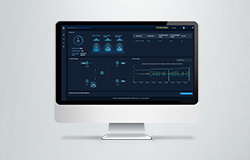
One of the primary functions of an EMS is real-time energy monitoring. This allows companies to track energy consumption patterns across different processes. For businesses in the battery and charger sector, this insight is invaluable. By understanding energy usage, you can identify peak consumption times and potential energy wastage, facilitating more informed decision-making. For instance, if your data reveals that certain charging processes consume more energy than anticipated, you can explore more efficient alternatives.
Furthermore, an EMS enables predictive analytics, which can forecast energy needs based on historical data. In battery charging, this means you can optimize the charging cycles according to user demand, ensuring that energy is used efficiently without overcharging or underutilizing battery resources. This leads to not only enhanced battery longevity but also improved product performance.
Additionally, an EMS can facilitate compliance with energy regulations and standards. With the rising focus on sustainability, companies need to adhere to various energy-efficiency regulations. An effective EMS can help you monitor compliance levels, making it easier to align with industry best practices and regulatory requirements. This is particularly crucial in the highly competitive consumer electronics market, where adherence to sustainability standards can greatly influence consumer perception and purchasing decisions.
Implementing an EMS also allows for better integration of renewable energy sources. As the world moves towards greener energy options, having a robust energy management strategy can help you leverage solar, wind, or other renewable energies effectively. This integration not only supports sustainability goals but can also result in cost savings over time.
Lastly, the data gathered from an EMS can enhance reporting capabilities. With detailed insights into your energy usage, you can generate reports that highlight your company’s energy performance. This transparency can boost stakeholder confidence and improve your brand image, reflecting a commitment to energy efficiency and sustainability.
In summary, an Energy Management System is a vital component for companies in the battery and charger sector. By optimizing energy usage, enhancing operational efficiency, and promoting sustainability, EMS not only contributes to cost savings but also positions your business favorably in a competitive market. Embracing this technology is not just a smart business decision; it is a step towards a more sustainable future.
One of the primary functions of an EMS is real-time energy monitoring. This allows companies to track energy consumption patterns across different processes. For businesses in the battery and charger sector, this insight is invaluable. By understanding energy usage, you can identify peak consumption times and potential energy wastage, facilitating more informed decision-making. For instance, if your data reveals that certain charging processes consume more energy than anticipated, you can explore more efficient alternatives.
Furthermore, an EMS enables predictive analytics, which can forecast energy needs based on historical data. In battery charging, this means you can optimize the charging cycles according to user demand, ensuring that energy is used efficiently without overcharging or underutilizing battery resources. This leads to not only enhanced battery longevity but also improved product performance.
Additionally, an EMS can facilitate compliance with energy regulations and standards. With the rising focus on sustainability, companies need to adhere to various energy-efficiency regulations. An effective EMS can help you monitor compliance levels, making it easier to align with industry best practices and regulatory requirements. This is particularly crucial in the highly competitive consumer electronics market, where adherence to sustainability standards can greatly influence consumer perception and purchasing decisions.
Implementing an EMS also allows for better integration of renewable energy sources. As the world moves towards greener energy options, having a robust energy management strategy can help you leverage solar, wind, or other renewable energies effectively. This integration not only supports sustainability goals but can also result in cost savings over time.
Lastly, the data gathered from an EMS can enhance reporting capabilities. With detailed insights into your energy usage, you can generate reports that highlight your company’s energy performance. This transparency can boost stakeholder confidence and improve your brand image, reflecting a commitment to energy efficiency and sustainability.
In summary, an Energy Management System is a vital component for companies in the battery and charger sector. By optimizing energy usage, enhancing operational efficiency, and promoting sustainability, EMS not only contributes to cost savings but also positions your business favorably in a competitive market. Embracing this technology is not just a smart business decision; it is a step towards a more sustainable future.
MORE NEWS

2026-05-20
Maximizing Efficiency with High Power Battery Storage Solutions
In the realm of consumer electronics, high power battery storage has become a vital component in enhancing device performance and energy efficiency. As technology advances, the demand for reliable and efficient power sources continues to rise. High power battery storage solutions are designed to meet these needs, offering significant advantages for both manufacturers and consumers.
High power batt

2026-05-19
The Future of Energy Storage: Insights on Battery Monitoring Systems
The Future of Energy Storage: Insights on Battery Monitoring Systems
Table of Contents
1. Introduction to Energy Storage Solutions
2. Importance of Battery Monitoring Systems in Modern Technologies
3. Key Components of Battery Monitoring Systems
3.1 Voltage and Current Monitoring
3.2 Temperature Sensors
3.3 State of Charge (SoC) Measurement
3.4 State of Health (SoH) Assessment
4.

2026-05-18
Enhancing Power Stability with Battery Energy Storage Solutions
Enhancing Power Stability with Battery Energy Storage Solutions
Introduction to Battery Energy Storage Solutions
Battery energy storage solutions are transforming the way we manage and distribute electricity. As the demand for reliable power sources increases, these systems have emerged as vital components in enhancing power stability. By storing excess energy generated from renewable sources, suc

2026-05-18
Maximizing Efficiency: The Role of Energy Management Systems in Battery and Charger Applications
Energy Management Systems (EMS) are essential tools that help organizations monitor, control, and optimize their energy usage. In the context of consumer electronics, particularly in battery and charger applications, an EMS can play a pivotal role in enhancing performance and sustainability. By integrating EMS into your operations, you can achieve better energy efficiency, reduce costs, and minimi
CONTACT US
Vilion (Shenzhen) New Energy Technology Co., Ltd
Add: Lianzhan Industrial Park, No.2 Lanjing North Road, Pingshan District, Shenzhen, China
Vilion Tech B. V.
Add: Fascinatio Boulevard 216 Unit 220, 3065WB Rotterdam
Vilion Tech (UK) Ltd
Add: London, united kingdom


Copyright©2024 Vilion (Shenzhen) New Energy Technology Co., Ltd