

-
Battery ESSMaximize the value of renewables and energy storage by much safer and more professional products.
-
C&I SolutionsLaying the efficient, flexible and economical "smart energy sponge" with energy storage technology to realize green energy to flow on demand.
-
Technology & ServicePursuing a new energy world driven by technological innovation in the electricity and IoT.
-
About VilionIndependent R&D, system integration, software development, O&M and dismantling&recycling, Vilion is a full life cycle partner.








The Rise of All-In-One Energy Storage: A Comprehensive Overview
2026-05-17
The Rise of All-In-One Energy Storage: A Comprehensive Overview
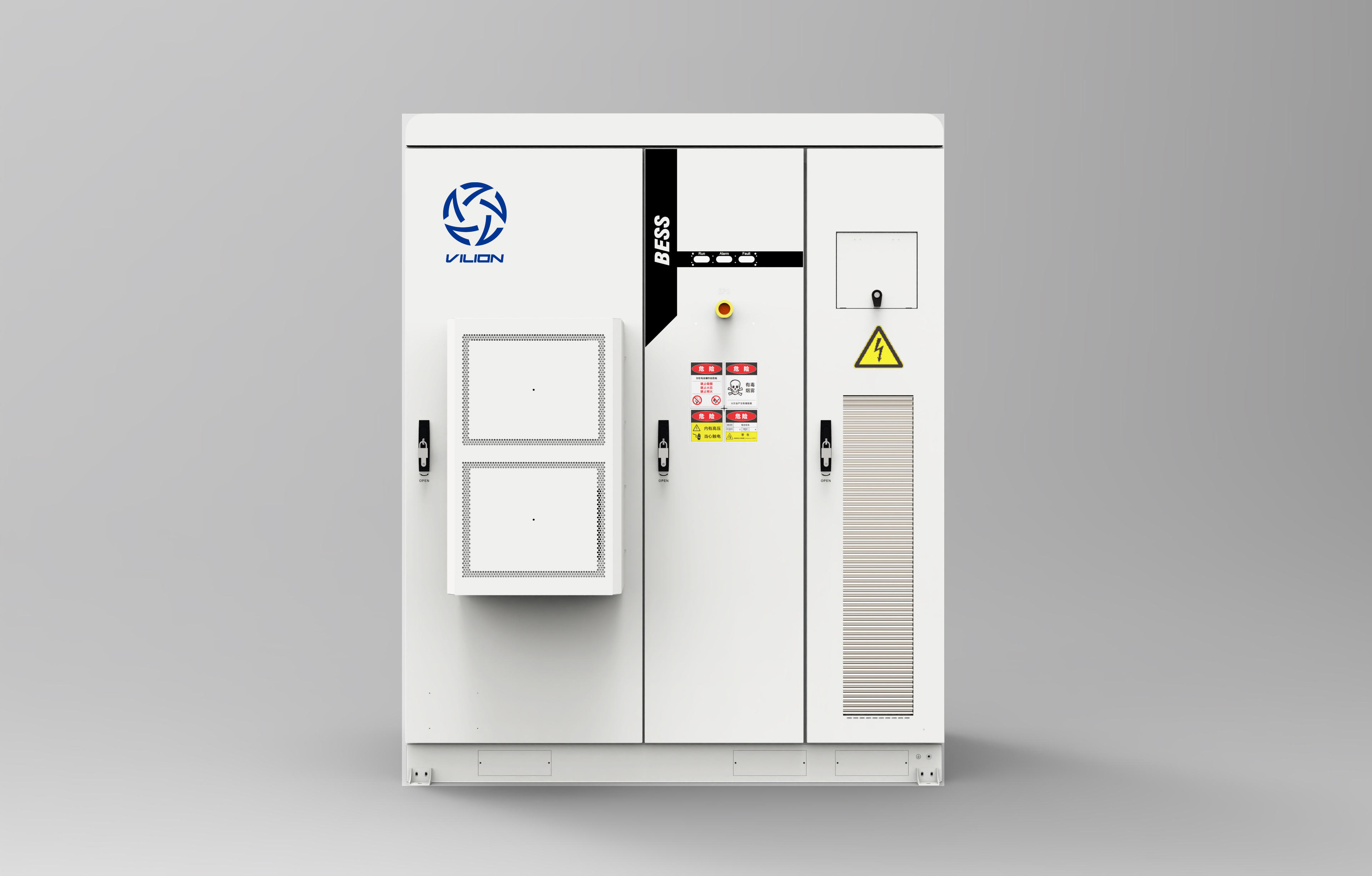
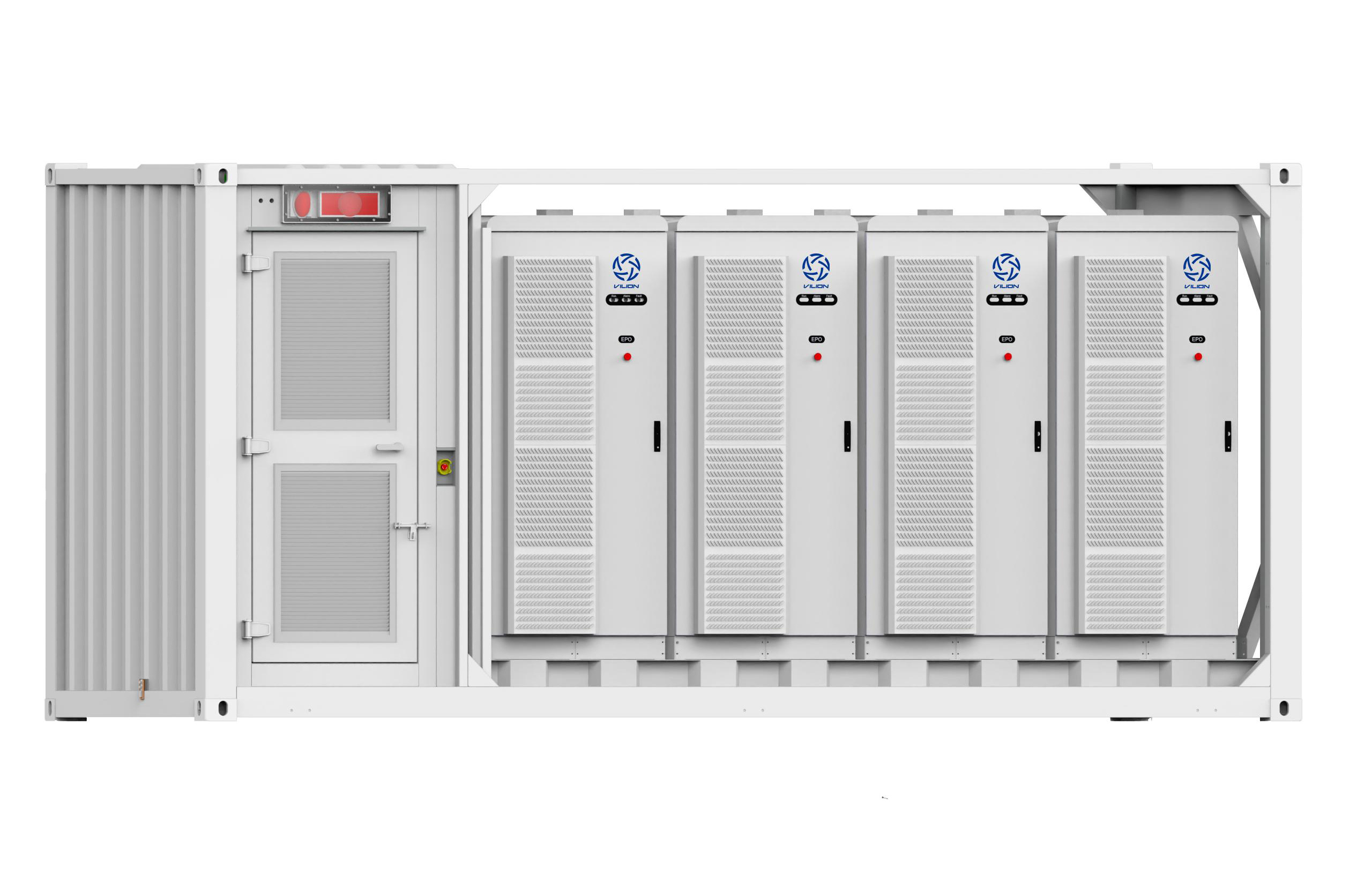
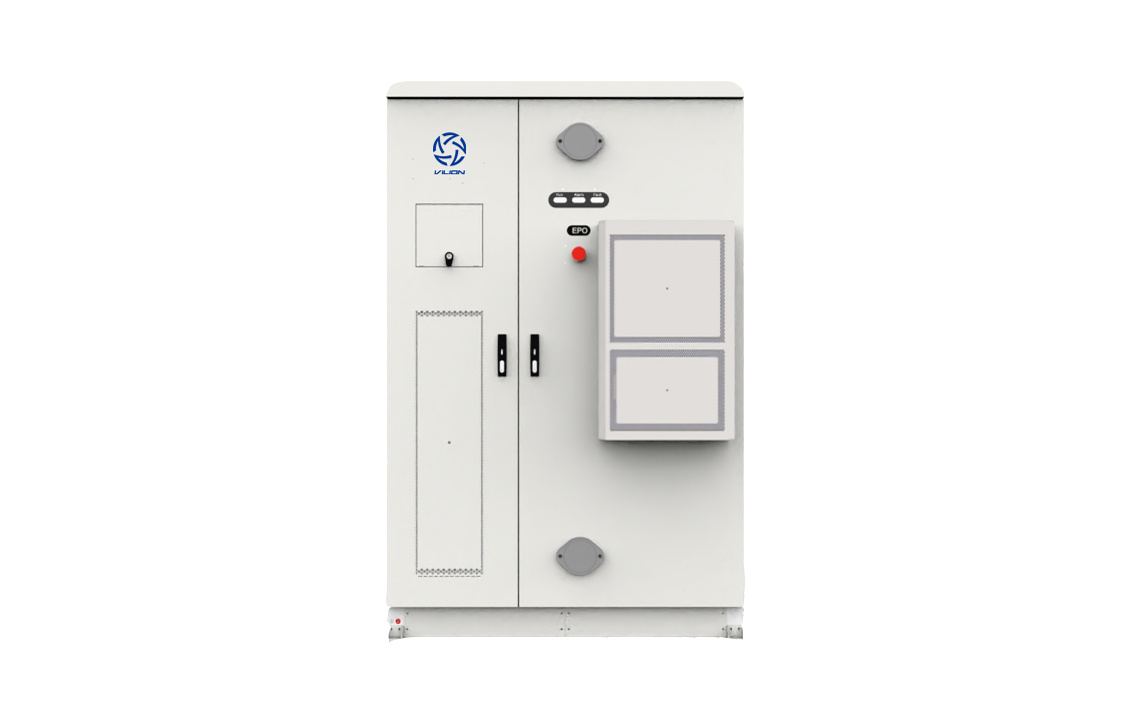
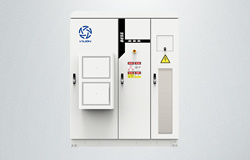
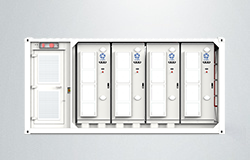
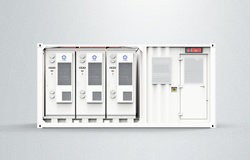
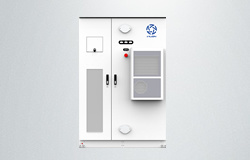
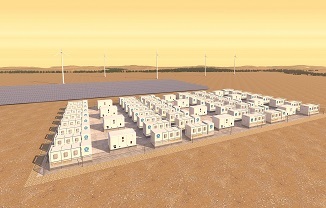
In recent years, the energy landscape has witnessed a significant shift towards sustainability. **All-in-one energy storage systems** have emerged as a crucial component in this revolution. By enabling efficient energy management, these solutions are paving the way for a greener and more sustainable future. In this comprehensive overview, we will explore the technology behind all-in-one energy storage, its benefits, market trends, and future prospects.
Understanding All-In-One Energy Storage Systems
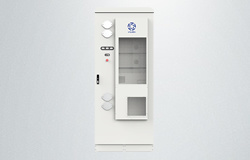
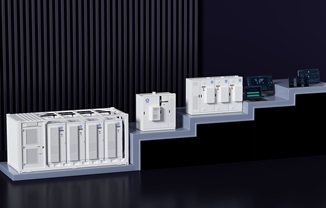
All-in-one energy storage systems combine various energy storage technologies into a single, user-friendly unit. These systems typically integrate battery storage, inverter technology, and energy management systems to create a seamless experience for consumers and businesses alike.
What Makes All-In-One Energy Storage Different?
Unlike traditional energy storage solutions, which often require multiple components and complex installation processes, all-in-one systems simplify energy management. They provide a centralized solution that can efficiently store and distribute energy based on demand and availability.
Key Components of All-In-One Energy Storage
1. **Batteries**: The heart of any energy storage system, batteries store excess energy generated from renewable sources or the grid.
2. **Inverters**: These devices convert direct current (DC) electricity stored in batteries into alternating current (AC) electricity, which is used in homes and businesses.
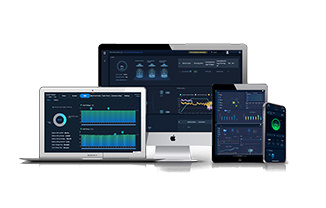
3. **Energy Management Systems (EMS)**: EMS software optimizes the performance of the energy storage system by monitoring energy usage and controlling the flow of energy.
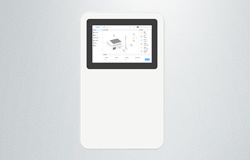
4. **User Interface**: A user-friendly interface allows consumers to monitor and control their energy storage system.
The Benefits of All-In-One Energy Storage Solutions
All-in-one energy storage systems offer numerous benefits, making them an attractive option for both residential and commercial applications.
1. Enhanced Energy Efficiency
By storing excess energy generated during peak production times and distributing it during periods of high demand, all-in-one systems maximize energy efficiency. This capability reduces reliance on the grid and lowers electricity costs.
2. Environmental Impact
With the integration of renewable energy sources such as solar and wind, all-in-one energy storage solutions contribute to a significant reduction in carbon emissions. By optimizing the use of clean energy, they play a pivotal role in combating climate change.
3. Cost-Effectiveness
While the initial investment in all-in-one systems may be higher than traditional storage solutions, the long-term savings on energy bills and potential government incentives make them a cost-effective choice. The decreasing prices of battery technology further enhance their affordability.
4. Increased Energy Independence
Consumers can achieve greater energy independence by utilizing all-in-one energy storage systems. By generating and storing their own energy, they reduce their dependence on utility companies and minimize vulnerability to energy price fluctuations.
Case Study: A Residential Energy Storage Success
Consider a homeowner who installs an all-in-one energy storage system alongside solar panels. During sunny days, the system captures excess solar energy, storing it for use during nighttime or cloudy days. This homeowner not only saves on electricity costs but also contributes to a sustainable energy future.
Market Trends in All-In-One Energy Storage
The all-in-one energy storage market is rapidly evolving, driven by advancements in technology and increasing consumer demand for renewable energy solutions.
1. Rising Adoption of Renewable Energy Sources
As more individuals and businesses turn to renewable energy, the demand for all-in-one energy storage systems is expected to grow. These systems are essential for maximizing the benefits of solar and wind energy.
2. Technological Advancements
Continuous advancements in battery technology, such as lithium-ion and solid-state batteries, are enhancing the performance and lifespan of all-in-one energy storage systems. These innovations are making these systems more appealing to a broader audience.
3. Government Incentives and Support
Many governments worldwide are offering incentives to promote the adoption of renewable energy and energy storage systems. These incentives can significantly reduce the upfront costs associated with installing all-in-one systems, making them more accessible to a wider range of consumers.
Global Market Insights
According to market research, the global energy storage market is projected to reach billions of dollars by 2030. All-in-one systems are expected to capture a significant share of this market, driven by increasing consumer awareness and technological advancements.
The Future of All-In-One Energy Storage
As we look ahead, the future of all-in-one energy storage systems appears bright. Several trends are shaping the trajectory of this technology.
1. Integration with Smart Home Technology
The rise of smart homes has opened new opportunities for all-in-one energy storage systems. By integrating with smart home devices, these systems can optimize energy usage based on consumer behavior, further enhancing energy efficiency.
2. Expansion into Emerging Markets
Emerging markets with limited access to reliable energy sources present a significant opportunity for all-in-one energy storage solutions. These systems can provide a reliable energy source for remote areas, improving quality of life.
3. Increased Focus on Sustainability
As awareness of environmental issues continues to grow, consumers are increasingly seeking sustainable solutions. All-in-one energy storage systems align with this trend, offering an eco-friendly alternative to traditional energy sources.
Potential Challenges
While the prospects for all-in-one energy storage systems are promising, challenges such as regulatory hurdles, market competition, and the need for ongoing technological advancements must be addressed.
FAQs about All-In-One Energy Storage
1. What types of batteries are used in all-in-one energy storage systems?
All-in-one energy storage systems typically use lithium-ion batteries due to their high energy density, long lifespan, and decreasing costs.
2. Can all-in-one energy storage systems be used with existing solar panels?
Yes, all-in-one energy storage systems can be integrated with existing solar panel installations to store excess energy generated during the day.
3. How do all-in-one energy storage systems contribute to energy independence?
These systems allow consumers to generate, store, and use their own energy, reducing reliance on grid power and protecting against energy price volatility.
4. Are there government incentives for installing all-in-one energy storage systems?
Many governments offer incentives, tax credits, and rebates to encourage the adoption of renewable energy and energy storage solutions. Check local regulations for details.
5. What is the lifespan of an all-in-one energy storage system?
The lifespan of an all-in-one energy storage system can vary, but most lithium-ion batteries are designed to last between 10 to 15 years, depending on usage and conditions.
Conclusion
The rise of all-in-one energy storage systems marks a significant advancement in energy management, offering consumers and businesses a viable solution for harnessing renewable energy. With benefits ranging from enhanced energy efficiency to increased sustainability, these systems are shaping the future of energy consumption. As technology continues to evolve and market demand grows, all-in-one energy storage solutions will play a pivotal role in our transition to a cleaner, more sustainable energy landscape. Embracing this technology is not just an investment in energy efficiency; it is a proactive step towards a sustainable future.
MORE NEWS

2026-05-20
Maximizing Efficiency with High Power Battery Storage Solutions
In the realm of consumer electronics, high power battery storage has become a vital component in enhancing device performance and energy efficiency. As technology advances, the demand for reliable and efficient power sources continues to rise. High power battery storage solutions are designed to meet these needs, offering significant advantages for both manufacturers and consumers.
High power batt

2026-05-19
The Future of Energy Storage: Insights on Battery Monitoring Systems
The Future of Energy Storage: Insights on Battery Monitoring Systems
Table of Contents
1. Introduction to Energy Storage Solutions
2. Importance of Battery Monitoring Systems in Modern Technologies
3. Key Components of Battery Monitoring Systems
3.1 Voltage and Current Monitoring
3.2 Temperature Sensors
3.3 State of Charge (SoC) Measurement
3.4 State of Health (SoH) Assessment
4.

2026-05-18
Enhancing Power Stability with Battery Energy Storage Solutions
Enhancing Power Stability with Battery Energy Storage Solutions
Introduction to Battery Energy Storage Solutions
Battery energy storage solutions are transforming the way we manage and distribute electricity. As the demand for reliable power sources increases, these systems have emerged as vital components in enhancing power stability. By storing excess energy generated from renewable sources, suc

2026-05-18
Maximizing Efficiency: The Role of Energy Management Systems in Battery and Charger Applications
Energy Management Systems (EMS) are essential tools that help organizations monitor, control, and optimize their energy usage. In the context of consumer electronics, particularly in battery and charger applications, an EMS can play a pivotal role in enhancing performance and sustainability. By integrating EMS into your operations, you can achieve better energy efficiency, reduce costs, and minimi
CONTACT US
Vilion (Shenzhen) New Energy Technology Co., Ltd
Add: Lianzhan Industrial Park, No.2 Lanjing North Road, Pingshan District, Shenzhen, China
Vilion Tech B. V.
Add: Fascinatio Boulevard 216 Unit 220, 3065WB Rotterdam
Vilion Tech (UK) Ltd
Add: London, united kingdom


Copyright©2024 Vilion (Shenzhen) New Energy Technology Co., Ltd