

-
Battery ESSMaximize the value of renewables and energy storage by much safer and more professional products.
-
C&I SolutionsLaying the efficient, flexible and economical "smart energy sponge" with energy storage technology to realize green energy to flow on demand.
-
Technology & ServicePursuing a new energy world driven by technological innovation in the electricity and IoT.
-
About VilionIndependent R&D, system integration, software development, O&M and dismantling&recycling, Vilion is a full life cycle partner.








Maximize Battery Lifespan with Effective Monitoring Systems
2026-05-13
Maximize Battery Lifespan with Effective Monitoring Systems
Understanding Battery Lifespan: What You Need to Know
The lifespan of a battery is a crucial consideration for anyone relying on rechargeable power sources. Factors such as **charging cycles**, **temperature**, and **usage patterns** significantly impact how long a battery remains functional. Understanding these elements is the first step toward implementing effective monitoring systems that can extend battery life.
The Importance of Battery Monitoring Systems
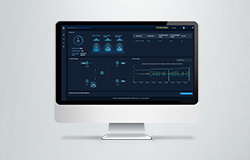
Battery monitoring systems serve as an essential tool for ensuring batteries function optimally. By providing real-time data on the **health**, **charge**, and **discharge cycles** of your batteries, these systems empower users to make informed decisions and take proactive measures to avoid premature battery failure.
What Are Battery Monitoring Systems?
Battery monitoring systems are devices designed to track the performance metrics of batteries. These systems can detect issues such as **overcharging**, **deep discharging**, and **temperature fluctuations** that may compromise battery integrity. By continuously monitoring these parameters, users can implement strategies that help maximize battery lifespan.
Key Features of Effective Battery Monitoring Systems
- Real-Time Monitoring: Continuous oversight of battery conditions, providing instant alerts for any anomalies.
- Data Logging: Historical data collection for performance analysis over time.
- Battery Health Assessment: Regular evaluations to gauge the overall health and suitability for use.
- Temperature Control: Monitoring temperature to prevent overheating or overly cold conditions.
- Charge Cycles Tracking: Keeping track of charge and discharge cycles to predict future performance.
Best Practices for Using Battery Monitoring Systems
Implementing a battery monitoring system is only the beginning. To truly maximize the benefits and extend battery lifespan, certain best practices should be followed:
1. Understand Your Battery Type
Different battery types, such as **lithium-ion**, **NiMH**, or **lead-acid**, have unique characteristics and requirements. Understanding these differences is vital for effective monitoring and management. Tailor the monitoring system settings according to the specific battery chemistry to ensure optimal performance.
2. Regularly Update Monitoring Software
Battery monitoring systems often come with accompanying software that may receive updates. Regularly updating this software ensures that you benefit from the latest features and refinements, which can enhance the accuracy and efficiency of your monitoring practices.
3. Maintain Optimal Charging Practices
Adhering to recommended charging practices is crucial for battery health. Overcharging or discharging batteries too deeply can lead to irreversible damage. Utilize the data from your monitoring system to stick to optimal charging cycles.
4. Monitor Temperature Conditions
Temperature extremes can drastically affect battery performance and lifespan. Ensure that your battery operates within the recommended temperature range. Use temperature sensors integrated into your monitoring system to receive alerts when conditions become unfavorable.
5. Analyze Data Trends
Take advantage of data logging features to analyze your battery's performance trends over time. Identifying patterns can help preemptively address potential issues and adjust your usage or charging habits accordingly.
Technological Advances in Battery Monitoring Systems
Recent advancements in technology have transformed battery monitoring systems into sophisticated tools that can offer deeper insights into battery health:
Real-Time Analytics
Modern systems can provide real-time analytics that help users understand what is happening within the battery at any given moment, allowing for immediate corrective action when necessary.
Mobile Applications
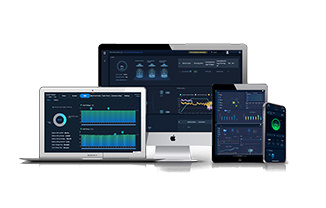
Many battery monitoring systems now come with mobile applications that allow users to monitor battery health on the go. This feature enhances convenience and ensures that users can always stay informed, regardless of their location.
Cloud-Based Monitoring
Cloud integration allows for enhanced data storage and analysis. Users can access their battery performance data from anywhere in the world, facilitating better decision-making and management.
Common Issues Faced Without Monitoring Systems
Failing to implement a battery monitoring system can lead to several issues that compromise battery lifespan:
1. Premature Battery Failure
Without monitoring, users may not notice signs of battery distress until it is too late. This can lead to sudden battery failure, resulting in inconvenience and potential data loss.
2. Inefficient Energy Usage
Without insights into charging cycles and discharge patterns, users may inefficiently use battery energy, leading to higher costs and decreased performance.
3. Increased Environmental Impact
Frequent battery replacements increase electronic waste, which poses environmental challenges. Prolonging battery life through effective monitoring can mitigate this impact.
Frequently Asked Questions (FAQs)
1. How does temperature affect battery lifespan?
Extreme temperatures can significantly shorten battery life. High temperatures may cause internal damage, while very low temperatures can reduce the battery's ability to hold a charge. Keeping the battery within its optimal temperature range is essential.
2. What is the best charging practice for lithium-ion batteries?
For lithium-ion batteries, it's best to charge them before they are completely drained (ideally when they reach about 20-30% capacity) and to avoid leaving them charging overnight to prevent overcharging.
3. Can battery monitoring systems save money?
Yes, by extending the lifespan of batteries and optimizing energy use, battery monitoring systems can lead to significant savings over time. Fewer battery replacements and efficient energy usage directly translate to lower costs.
4. How often should I check my battery monitoring system?
It's advisable to check your battery monitoring system regularly, especially if you're utilizing it for critical applications. Daily checks may be necessary for high-use environments while weekly checks suffice for regular use.
5. What should I do if my monitoring system indicates battery distress?
If your monitoring system indicates distress, take immediate action by checking the battery's physical condition, optimizing charging practices, and possibly consulting a professional if issues persist.
Conclusion: Unlocking the Full Potential of Your Batteries
Maximizing battery lifespan through effective monitoring systems is not just a technical endeavor; it’s a holistic approach to battery management that considers every aspect of battery health and performance. By understanding battery types, implementing best practices, and leveraging advanced technologies, users can ensure that their batteries remain reliable and efficient for an extended period. The investment in a quality battery monitoring system pays off through enhanced longevity, reduced costs, and a smaller environmental footprint. Embrace these strategies today and unlock the full potential of your batteries!
MORE NEWS

2026-09-26
Your Home's Energy Hub: The All-In-One Storage Advantage for Modern Living

2026-09-24
Understanding Containerized Energy Storage Systems in Consumer Electronics

2026-09-22
How to Choose the Right Commercial BESS for Your Business Needs

2026-09-20
Essential Insights into Battery Cabinets for Consumer Electronics
CONTACT US
Vilion (Shenzhen) New Energy Technology Co., Ltd
Add: Tower A, Building 1, Duocai Silicon Valley, No. 8 Juhe Road, Pingshan District, Shenzhen, China
Vilion Tech B. V.
Add: Fascinatio Boulevard 216 Unit 220, 3065WB Rotterdam
Vilion Tech (UK) Ltd
Add: Office 303B 10 Courtenay Rd., East Lane Business Park, Wembley, United Kingdom HA9 7ND


Copyright©2024 Vilion (Shenzhen) New Energy Technology Co., Ltd