

-
Battery ESSMaximize the value of renewables and energy storage by much safer and more professional products.
-
C&I SolutionsLaying the efficient, flexible and economical "smart energy sponge" with energy storage technology to realize green energy to flow on demand.
-
Technology & ServicePursuing a new energy world driven by technological innovation in the electricity and IoT.
-
About VilionIndependent R&D, system integration, software development, O&M and dismantling&recycling, Vilion is a full life cycle partner.
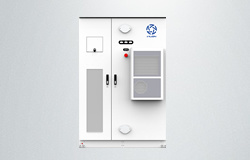

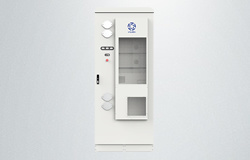
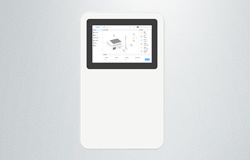
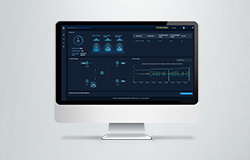
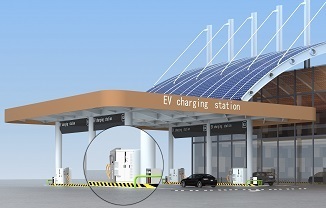



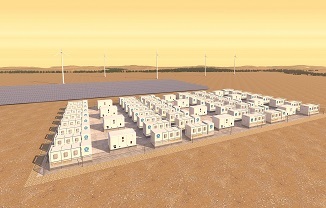
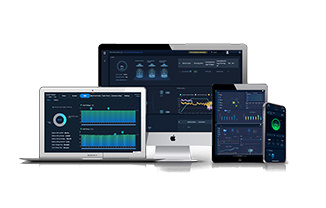

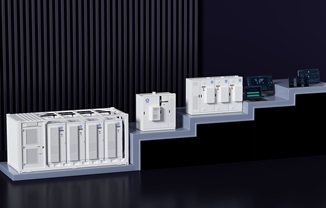


Unlocking Efficiency: The Role of Energy Management Systems in Battery and Charger Technologies
2026-05-08
---
Energy Management Systems (EMS) play a critical role in optimizing the use of energy within various sectors, including the consumer electronics industry, particularly in battery and charger technologies. For manufacturers and users alike, understanding the implications and benefits of EMS can lead to improved efficiency and sustainability.
At its core, an Energy Management System is a set of tools and processes designed to monitor, control, and optimize energy consumption. In the context of charging batteries, EMS can significantly enhance the performance and lifespan of the batteries while ensuring that energy use is minimized. This is particularly important given the increasing demand for energy efficiency in consumer electronics, where devices often rely on rechargeable batteries.
One of the primary functions of an EMS is real-time monitoring. By continuously tracking energy consumption patterns, an EMS allows manufacturers to identify inefficiencies and areas for improvement in their battery charging processes. For example, it can analyze charging cycles to determine the ideal conditions for charging, which can prevent overcharging and extend battery life. This not only reduces waste but also enhances user satisfaction by ensuring that devices are always ready for use when needed.
Moreover, EMS can facilitate predictive maintenance, which is essential in managing the lifecycle of batteries and chargers. By analyzing data collected through the system, manufacturers can predict when a battery may need to be replaced or if a charger requires servicing. This proactive approach can save time and reduce costs associated with unexpected failures, making it a valuable tool for both companies and consumers.
Sustainability is another crucial aspect where EMS shines. By optimizing energy consumption, companies can significantly reduce their carbon footprint. As consumers become increasingly eco-conscious, adopting Energy Management Systems in battery and charger production not only meets regulatory demands but also enhances a brand's reputation. Companies that prioritize sustainability and energy efficiency are more likely to attract environmentally aware consumers, thus driving sales and market share.
Furthermore, the integration of EMS with smart technologies can lead to even greater advancements. Smart chargers that communicate with devices to determine optimal charging times or energy sources can further enhance efficiency. This synergy between EMS and the Internet of Things (IoT) is paving the way for smarter energy solutions in consumer electronics.
In conclusion, Energy Management Systems offer essential benefits in the consumption and management of energy, especially within the battery and charger sectors of consumer electronics. By embracing EMS technologies, manufacturers can enhance efficiency, extend product lifecycles, promote sustainability, and ultimately meet the growing consumer demand for smarter, more energy-efficient devices. Investing in these systems is not just a trend; it is a strategic move towards a more sustainable future.
Energy Management Systems (EMS) play a critical role in optimizing the use of energy within various sectors, including the consumer electronics industry, particularly in battery and charger technologies. For manufacturers and users alike, understanding the implications and benefits of EMS can lead to improved efficiency and sustainability.
At its core, an Energy Management System is a set of tools and processes designed to monitor, control, and optimize energy consumption. In the context of charging batteries, EMS can significantly enhance the performance and lifespan of the batteries while ensuring that energy use is minimized. This is particularly important given the increasing demand for energy efficiency in consumer electronics, where devices often rely on rechargeable batteries.
One of the primary functions of an EMS is real-time monitoring. By continuously tracking energy consumption patterns, an EMS allows manufacturers to identify inefficiencies and areas for improvement in their battery charging processes. For example, it can analyze charging cycles to determine the ideal conditions for charging, which can prevent overcharging and extend battery life. This not only reduces waste but also enhances user satisfaction by ensuring that devices are always ready for use when needed.
Moreover, EMS can facilitate predictive maintenance, which is essential in managing the lifecycle of batteries and chargers. By analyzing data collected through the system, manufacturers can predict when a battery may need to be replaced or if a charger requires servicing. This proactive approach can save time and reduce costs associated with unexpected failures, making it a valuable tool for both companies and consumers.
Sustainability is another crucial aspect where EMS shines. By optimizing energy consumption, companies can significantly reduce their carbon footprint. As consumers become increasingly eco-conscious, adopting Energy Management Systems in battery and charger production not only meets regulatory demands but also enhances a brand's reputation. Companies that prioritize sustainability and energy efficiency are more likely to attract environmentally aware consumers, thus driving sales and market share.
Furthermore, the integration of EMS with smart technologies can lead to even greater advancements. Smart chargers that communicate with devices to determine optimal charging times or energy sources can further enhance efficiency. This synergy between EMS and the Internet of Things (IoT) is paving the way for smarter energy solutions in consumer electronics.
In conclusion, Energy Management Systems offer essential benefits in the consumption and management of energy, especially within the battery and charger sectors of consumer electronics. By embracing EMS technologies, manufacturers can enhance efficiency, extend product lifecycles, promote sustainability, and ultimately meet the growing consumer demand for smarter, more energy-efficient devices. Investing in these systems is not just a trend; it is a strategic move towards a more sustainable future.
MORE NEWS

2026-05-08
Unlocking Efficiency: The Role of Energy Management Systems in Battery and Charger Technologies
---
Energy Management Systems (EMS) play a critical role in optimizing the use of energy within various sectors, including the consumer electronics industry, particularly in battery and charger technologies. For manufacturers and users alike, understanding the implications and benefits of EMS can lead to improved efficiency and sustainability.
At its core, an Energy Management System is a set of t

2026-05-06
Unlocking the Future: The Role of Containerized Energy Storage Systems in Consumer Electronics
Containerized Energy Storage Systems (CESS) are innovative solutions designed to store and manage energy efficiently while being portable and scalable. As the demand for sustainable energy solutions continues to rise, these systems are becoming increasingly relevant in the consumer electronics sector, particularly in relation to batteries and charging devices.
At their core, Containerized Energy S

2026-05-04
Understanding Battery Cabinets: Essential Storage Solutions for Rechargeable Batteries
Battery cabinets have emerged as crucial storage solutions for rechargeable batteries, particularly in the consumer electronics sector. As rechargeable battery usage continues to rise, driven by the demand for portable devices, the need for a secure and organized way to store these power sources has never been more important. But what exactly is a battery cabinet, and why is it essential?
A batter

2026-05-02
Revolutionizing Energy Storage: The Future of Containerized Battery Energy Storage Systems
---
Containerized Battery Energy Storage Systems (CBESS) represent a significant advancement in energy storage technology, particularly relevant to the consumer electronics sector, where battery efficiency and optimization are of paramount importance. These systems are designed to store electrical energy in a compact, transportable unit, making them an ideal solution for various applications, incl
CONTACT US
Vilion (Shenzhen) New Energy Technology Co., Ltd
Add: Lianzhan Industrial Park, No.2 Lanjing North Road, Pingshan District, Shenzhen, China
Vilion Tech B. V.
Add: Fascinatio Boulevard 216 Unit 220, 3065WB Rotterdam
Vilion Tech (UK) Ltd
Add: London, united kingdom


Copyright©2024 Vilion (Shenzhen) New Energy Technology Co., Ltd