

-
Battery ESSMaximize the value of renewables and energy storage by much safer and more professional products.
-
C&I SolutionsLaying the efficient, flexible and economical "smart energy sponge" with energy storage technology to realize green energy to flow on demand.
-
Technology & ServicePursuing a new energy world driven by technological innovation in the electricity and IoT.
-
About VilionIndependent R&D, system integration, software development, O&M and dismantling&recycling, Vilion is a full life cycle partner.






Unlocking Efficiency: The Role of Energy Management Systems in Battery and Charger Technology
2026-04-28
---
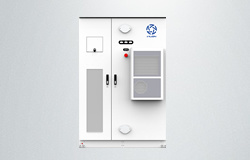
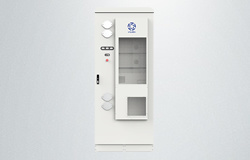
As technology advances, the demand for efficient energy usage in consumer electronics, particularly in battery and charger systems, continues to grow. An Energy Management System (EMS) plays a critical role in optimizing energy consumption, ensuring that devices are not only efficient but also sustainable. An EMS consists of various tools and strategies designed to monitor, control, and optimize energy use across different devices and systems.
In the context of batteries and chargers, an EMS can significantly enhance performance by managing charging cycles, monitoring battery health, and extending battery life. For instance, the EMS can implement strategies such as adaptive charging, where the charger adjusts its output based on the battery's state of charge and temperature. This personalized approach prevents overcharging, which can degrade battery capacity over time, ultimately leading to a more reliable and efficient product.
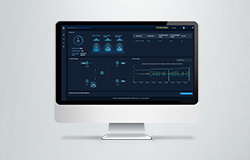
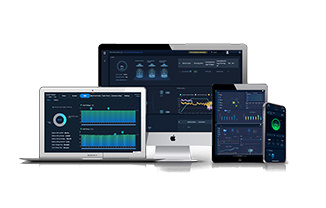
Moreover, an EMS can facilitate real-time monitoring and data analysis, allowing manufacturers and users to gather valuable insights into energy consumption patterns. By analyzing this data, users can make informed decisions regarding energy use, whether it's adjusting usage times to capitalize on off-peak energy rates or implementing energy-saving modes during periods of inactivity. This not only contributes to cost savings but also aligns with broader sustainability goals by reducing overall energy consumption.
In addition, the integration of EMS in battery technology supports the development of smarter devices. With advancements in IoT (Internet of Things) technology, EMS can interact with other smart devices, allowing for a cohesive energy management strategy across multiple platforms. For example, a smart home can optimize energy use by communicating with chargers and batteries, ensuring that these devices operate at peak efficiency only when needed.
In conclusion, the implementation of Energy Management Systems within the battery and charger sector is essential for improving energy efficiency and sustainability. By optimizing charging processes, monitoring battery health, and facilitating data analysis, EMS not only enhances product performance but also contributes to a greener future. As professionals in the consumer electronics industry, understanding and leveraging these systems can lead to significant advancements in battery technology and energy management, paving the way for innovative solutions that meet the demands of today's tech-savvy consumers.
As technology advances, the demand for efficient energy usage in consumer electronics, particularly in battery and charger systems, continues to grow. An Energy Management System (EMS) plays a critical role in optimizing energy consumption, ensuring that devices are not only efficient but also sustainable. An EMS consists of various tools and strategies designed to monitor, control, and optimize energy use across different devices and systems.
In the context of batteries and chargers, an EMS can significantly enhance performance by managing charging cycles, monitoring battery health, and extending battery life. For instance, the EMS can implement strategies such as adaptive charging, where the charger adjusts its output based on the battery's state of charge and temperature. This personalized approach prevents overcharging, which can degrade battery capacity over time, ultimately leading to a more reliable and efficient product.
Moreover, an EMS can facilitate real-time monitoring and data analysis, allowing manufacturers and users to gather valuable insights into energy consumption patterns. By analyzing this data, users can make informed decisions regarding energy use, whether it's adjusting usage times to capitalize on off-peak energy rates or implementing energy-saving modes during periods of inactivity. This not only contributes to cost savings but also aligns with broader sustainability goals by reducing overall energy consumption.
In addition, the integration of EMS in battery technology supports the development of smarter devices. With advancements in IoT (Internet of Things) technology, EMS can interact with other smart devices, allowing for a cohesive energy management strategy across multiple platforms. For example, a smart home can optimize energy use by communicating with chargers and batteries, ensuring that these devices operate at peak efficiency only when needed.
In conclusion, the implementation of Energy Management Systems within the battery and charger sector is essential for improving energy efficiency and sustainability. By optimizing charging processes, monitoring battery health, and facilitating data analysis, EMS not only enhances product performance but also contributes to a greener future. As professionals in the consumer electronics industry, understanding and leveraging these systems can lead to significant advancements in battery technology and energy management, paving the way for innovative solutions that meet the demands of today's tech-savvy consumers.
MORE NEWS

2026-04-28
Unlocking Efficiency: The Role of Energy Management Systems in Battery and Charger Technology
---
As technology advances, the demand for efficient energy usage in consumer electronics, particularly in battery and charger systems, continues to grow. An Energy Management System (EMS) plays a critical role in optimizing energy consumption, ensuring that devices are not only efficient but also sustainable. An EMS consists of various tools and strategies designed to monitor, control, and optimi

2026-04-26
Unlocking Efficiency: The Comprehensive Advantages of All-In-One Energy Storage Systems
Unlocking Efficiency: The Comprehensive Advantages of All-In-One Energy Storage Systems
Table of Contents
1. Introduction to All-In-One Energy Storage Systems
2. Key Benefits of All-In-One Energy Storage Systems
2.1 Enhanced Energy Efficiency
2.2 Significant Cost Savings
2.3 Seamless Integration with Renewable Energy Sources
2.4 Increased Reliabili

2026-04-24
The Benefits of Implementing Commercial BESS in Your Business
The Benefits of Implementing Commercial BESS in Your Business
In the evolving landscape of energy management, businesses are increasingly turning to innovative solutions to address their energy needs. One such solution is the implementation of Commercial Battery Energy Storage Systems (BESS). As companies strive for greater efficiency and lower operational costs, BESS emerges as a powerful tool th

2026-04-23
Understanding Battery Cabinets: Essential Storage Solutions for Your Charging Needs
In the consumer electronics sector, especially within the battery and charger realm, the importance of proper storage solutions cannot be overstated. One such solution is the battery cabinet, an essential component designed to manage and safeguard batteries effectively.
Battery cabinets are specialized enclosures that provide a secure and organized space for storing batteries. These cabinets are
CONTACT US
Vilion (Shenzhen) New Energy Technology Co., Ltd
Add: Lianzhan Industrial Park, No.2 Lanjing North Road, Pingshan District, Shenzhen, China
Vilion Tech B. V.
Add: Fascinatio Boulevard 216 Unit 220, 3065WB Rotterdam
Vilion Tech (UK) Ltd
Add: London, united kingdom


Copyright©2024 Vilion (Shenzhen) New Energy Technology Co., Ltd