

-
Battery ESSMaximize the value of renewables and energy storage by much safer and more professional products.
-
C&I SolutionsLaying the efficient, flexible and economical "smart energy sponge" with energy storage technology to realize green energy to flow on demand.
-
Technology & ServicePursuing a new energy world driven by technological innovation in the electricity and IoT.
-
About VilionIndependent R&D, system integration, software development, O&M and dismantling&recycling, Vilion is a full life cycle partner.




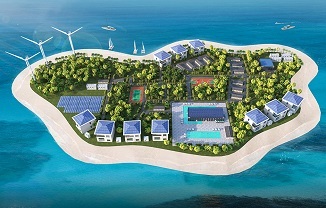
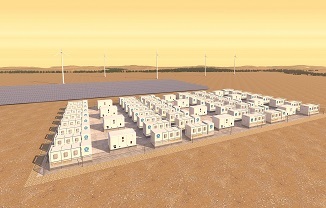


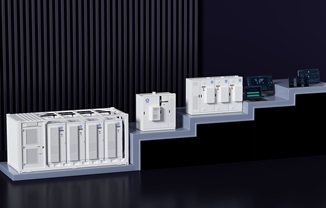


Energy Storage Knowledge Class| C&I Application Scenarios: Zero-Carbon Smart Parks + Energy Storage
2024-06-16
Development Background of Zero-Carbon Smart Parks
With the increasing severity of global climate change, governments worldwide have responded to the United Nations' "Carbon Neutrality" goal, collectively driving the global energy transition. According to the 2023 Global Carbon Neutrality Annual Progress Report, jointly supported by the Tsinghua University Carbon Neutrality Research Institute, the School of Environment, Tencent SSV Carbon Neutrality Lab, and numerous experts, as of March 2023, 133 out of 197 countries (67%) have proposed Carbon Neutrality targets. These countries account for 92% of global GDP, 89% of the population, and 88% of carbon emissions. As the most crucial hubs for population and industry, parks are key components of urban development and pivotal to achieving global green sustainable development through Zero-Carbon transformation.
Q: What is a Zero-Carbon Smart Park?
A:A Zero-Carbon Smart Park refers to a modern industrial park where the total amount of carbon dioxide emissions, either directly or indirectly generated within the park, is completely offset within a specific period (usually one year). This is achieved through the use of clean technologies, carbon capture techniques, energy storage, and exchange systems. As a result, the park attains a net-zero carbon footprint annually, achieving "Zero Carbon Emissions" throughout the year.
Q:What is a "Zero-Carbon Smart Park + Energy Storage"?
A: Traditional industrial parks typically have numerous devices with high power consumption, long-term high load, and significant energy usage. To achieve carbon reduction goals, smart parks utilize renewable energy sources such as solar and wind power to offset traditional energy consumption, significantly reducing carbon emissions and promoting green development to enhance industrial competitiveness. However, due to the instability of renewable energy sources like solar and wind power, there can be instances of insufficient or excess power supply. This is where energy storage systems are needed to regulate the balance of supply and demand.
Q: What is the role of Energy Storage in a Zero-Carbon Smart Park?
A:
1. Enhancing Renewable Energy Utilization: Due to the variability of renewable energy sources such as solar and wind power, there can be periods of energy surplus or shortage. ESS can effectively balance the supply and demand of energy by storing excess electricity generated from renewable sources and supplying it to the loads and the utility grid during peak consumption periods. This ensures stable grid operation and maximizes the utilization of renewable energy.
2. Peak-load Shifting: In regions with significant electricity price differences between peak and off-peak hours, ESS can be used to charge during off-peak periods when electricity prices are low and discharge during peak periods when prices are high. This strategy not only reduces the energy costs for the park but also generates additional revenue through price arbitrage.
3. Backup Power: ESS can provide backup power to the utility grid in emergency situations, ensuring the continuous operation of the park and enhancing its resilience to power outages.
Q: How do Vilion’s BESS serve the Zero-Carbon Smart Parks?
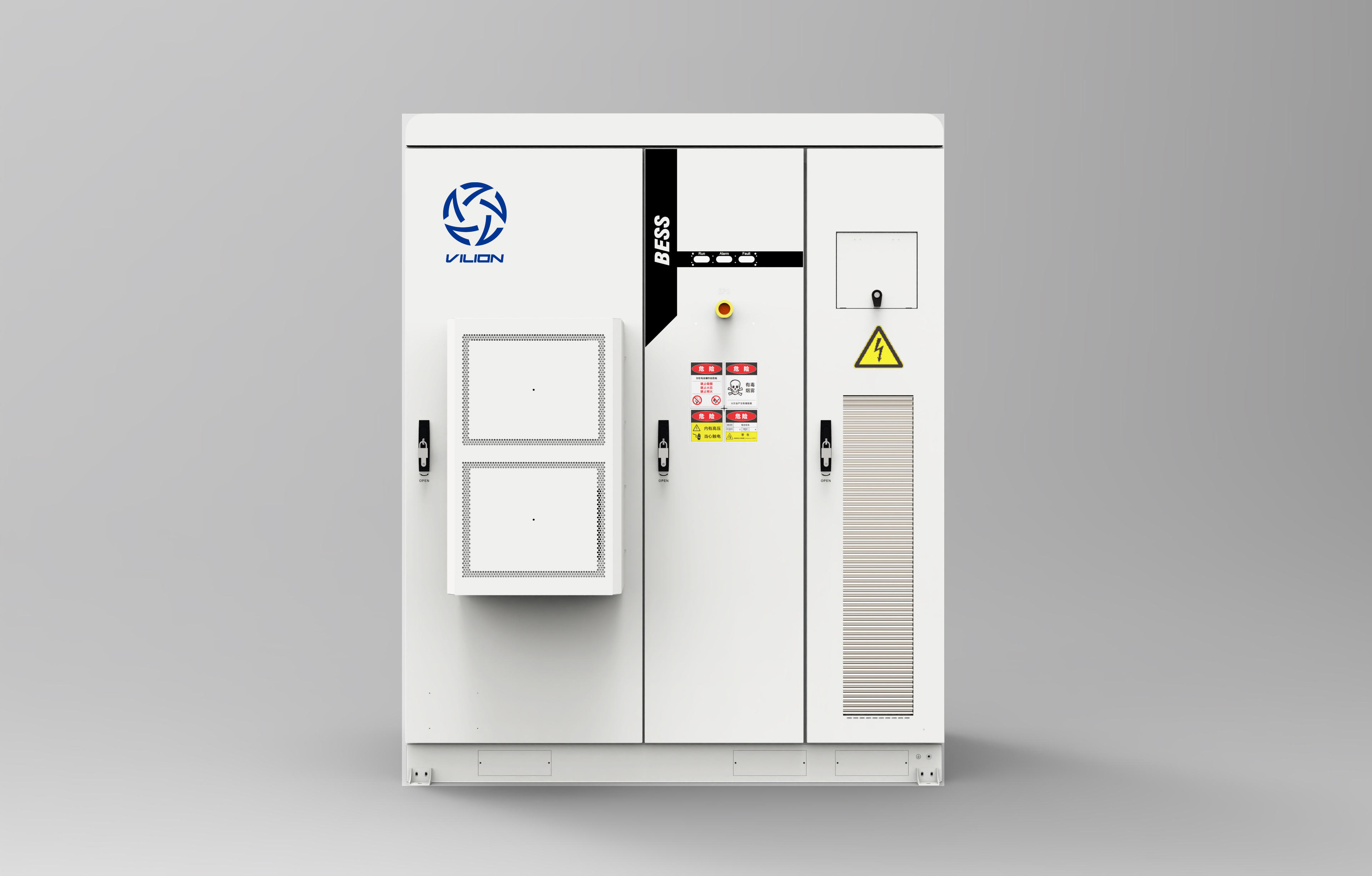
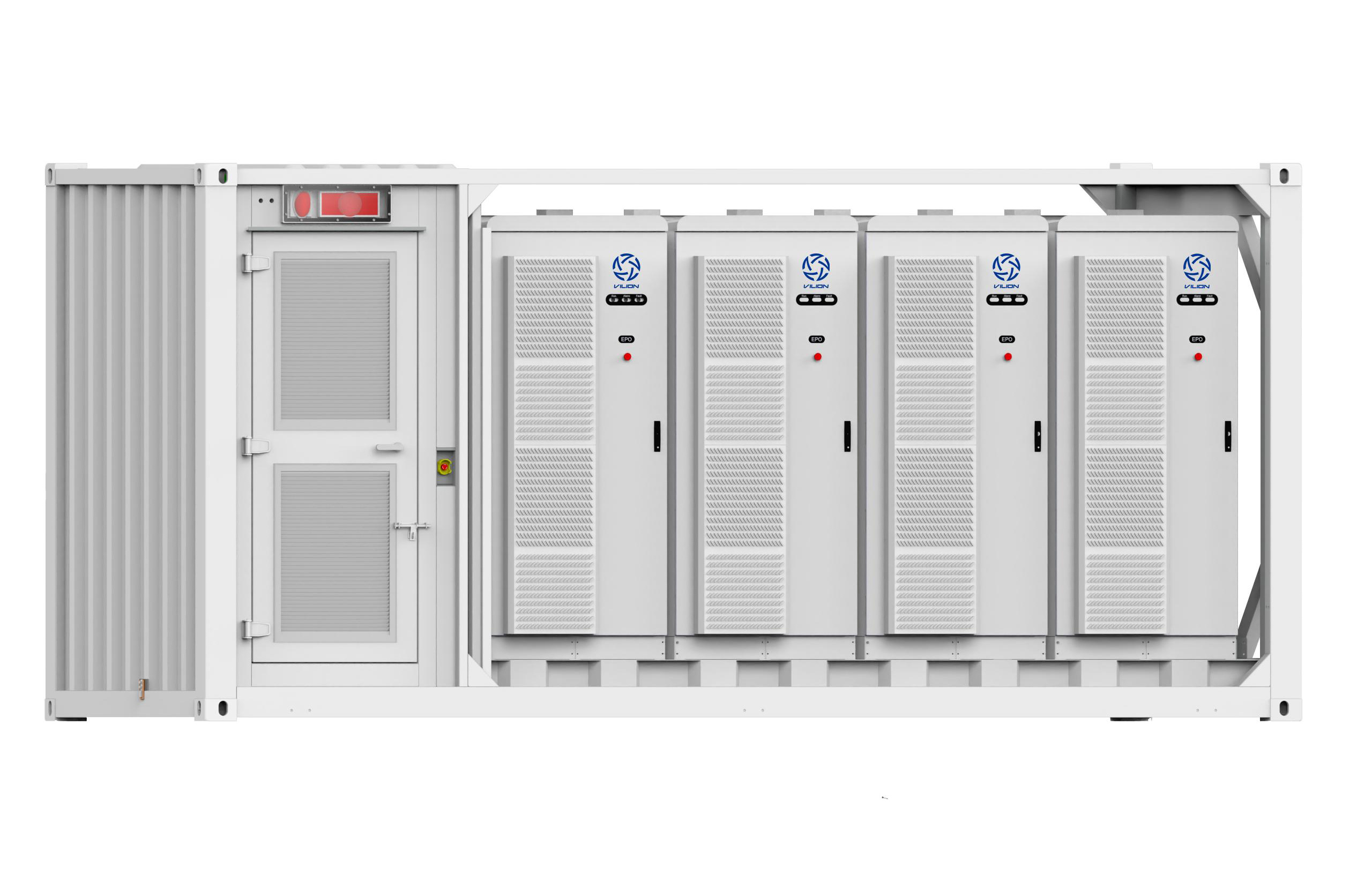
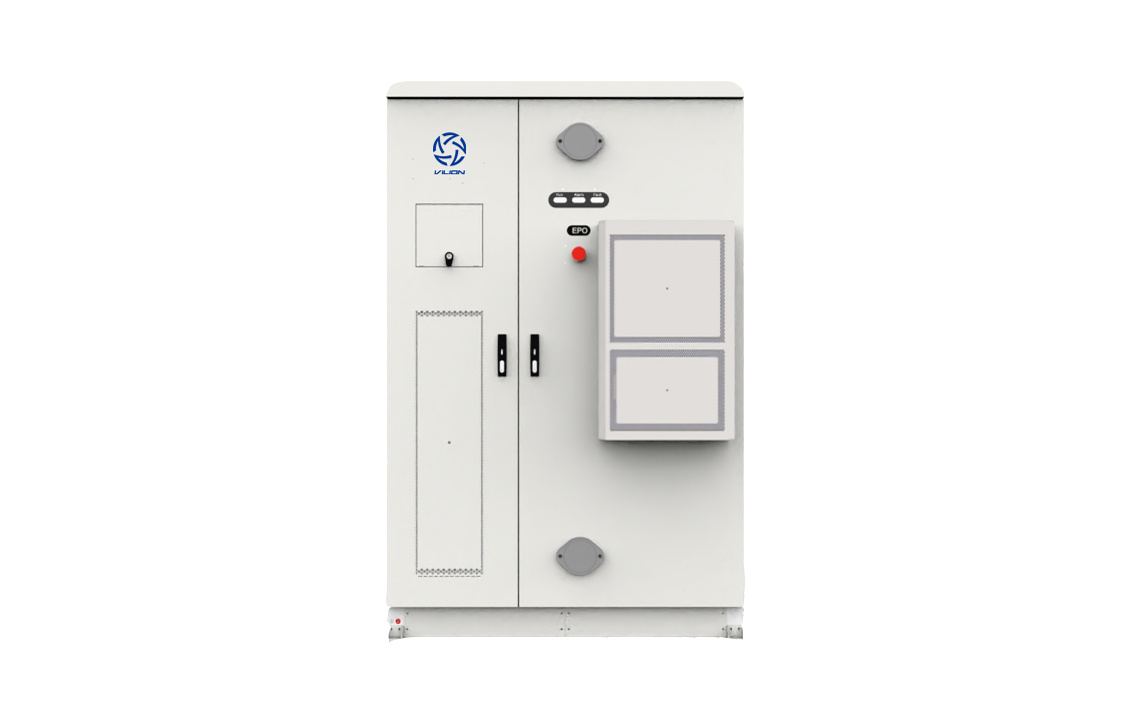
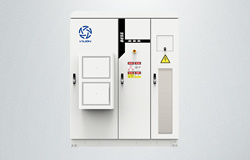
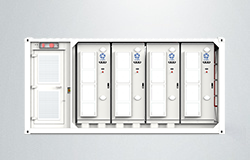
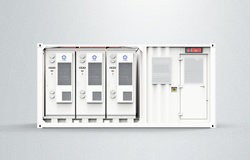
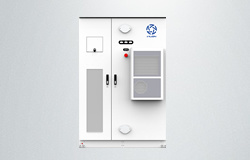
A: The EnerArk and EnerCube battery energy storage systems support on-grid, off-grid operation, and seamless switching between these modes. They can also be integrated with renewable energy sources like photovoltaic (PV) systems to store excess solar energy for nighttime use, thereby improving energy utilization efficiency of the park. Additionally, the BESS can fully utilize the peak-valley TOU tariff policy by purchasing and storing electricity from the utility grid during low-price periods and discharging during high-price periods to supply the park's electricity load. This strategy allows for profit from the price difference between peak and valley times, reducing electricity costs. Simultaneously, the BESS can serve as a backup power source, providing emergency power in case of grid failures in parks.

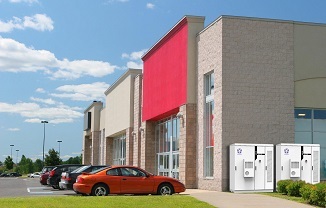
Diagram of EnerArk BESS Applied in Smart Office Parks
Learn more about the EnerArk:EnerArk2.0_LFP batteries_BESS_Vilion (szvilion.com)

PV+ EnerCube Containerized BESS: Schematic Diagram of an On-grid Microgrid System for Smart Industrial Parks
Learn more about the EnerCube:EnerCube-Containerized Battery Energy Storage System-Vilion (szvilion.com)
MORE NEWS

2026-10-08
Choosing the Right Energy Storage System for Your Devices: A Comprehensive Guide

2026-10-06
Harnessing the Future: Understanding Containerized Battery Energy Storage Systems

2026-10-04
The Synergy of Renewable Energy and Battery Energy Storage Systems: Unlocking a Sustainable Future

2026-10-02
Unlocking the Future: The Importance of High Power Battery Storage in Consumer Electronics
CONTACT US
Vilion (Shenzhen) New Energy Technology Co., Ltd
Add: Tower A, Building 1, Duocai Silicon Valley, No. 8 Juhe Road, Pingshan District, Shenzhen, China
Vilion Tech B. V.
Add: Fascinatio Boulevard 216 Unit 220, 3065WB Rotterdam
Vilion Tech (UK) Ltd
Add: Office 303B 10 Courtenay Rd., East Lane Business Park, Wembley, United Kingdom HA9 7ND


Copyright©2024 Vilion (Shenzhen) New Energy Technology Co., Ltd