

-
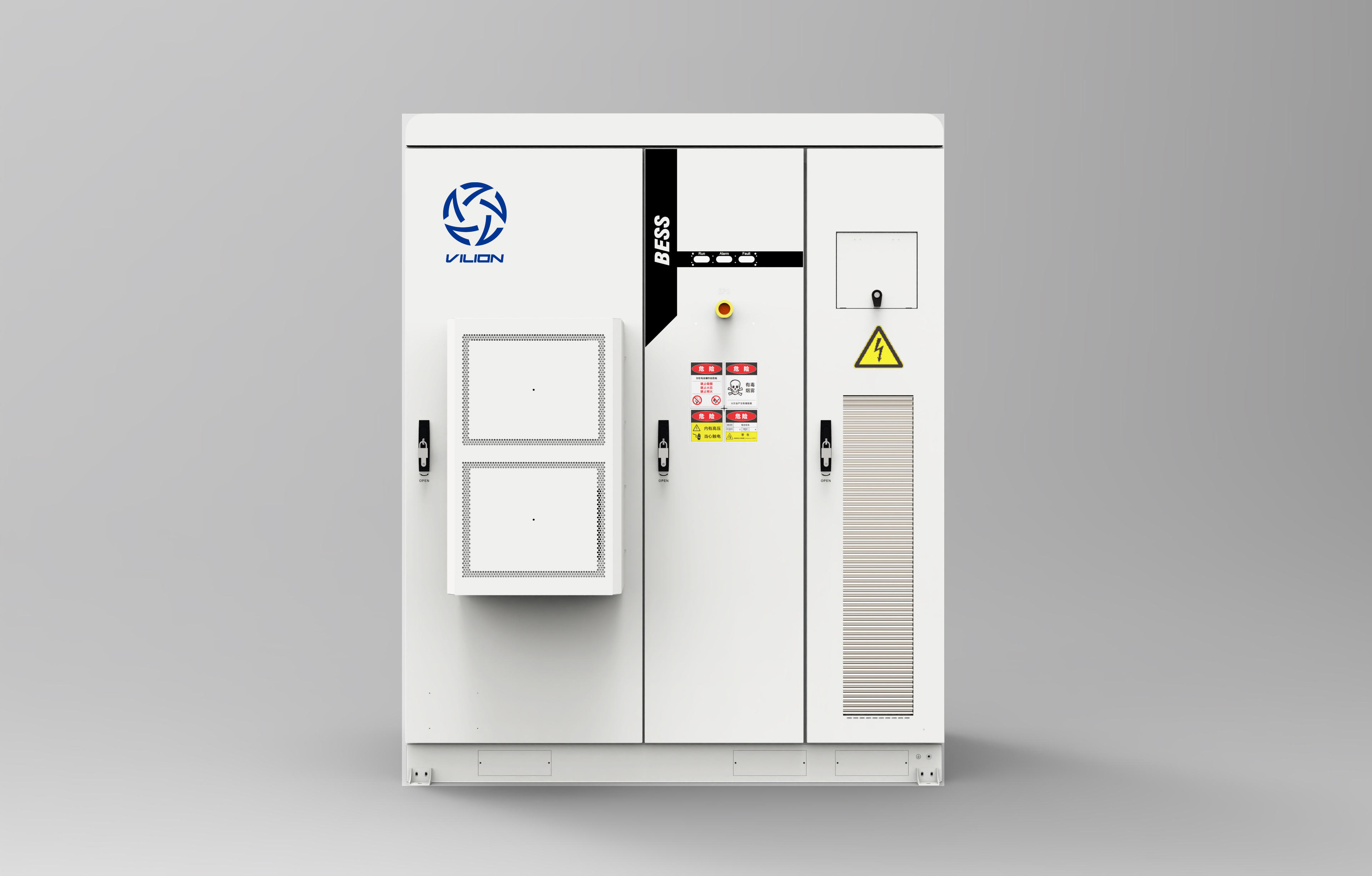
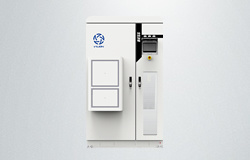
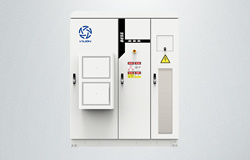
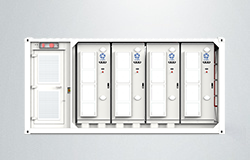
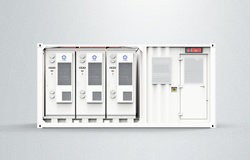
Battery ESSMaximize the value of renewables and energy storage by much safer and more professional products.
-
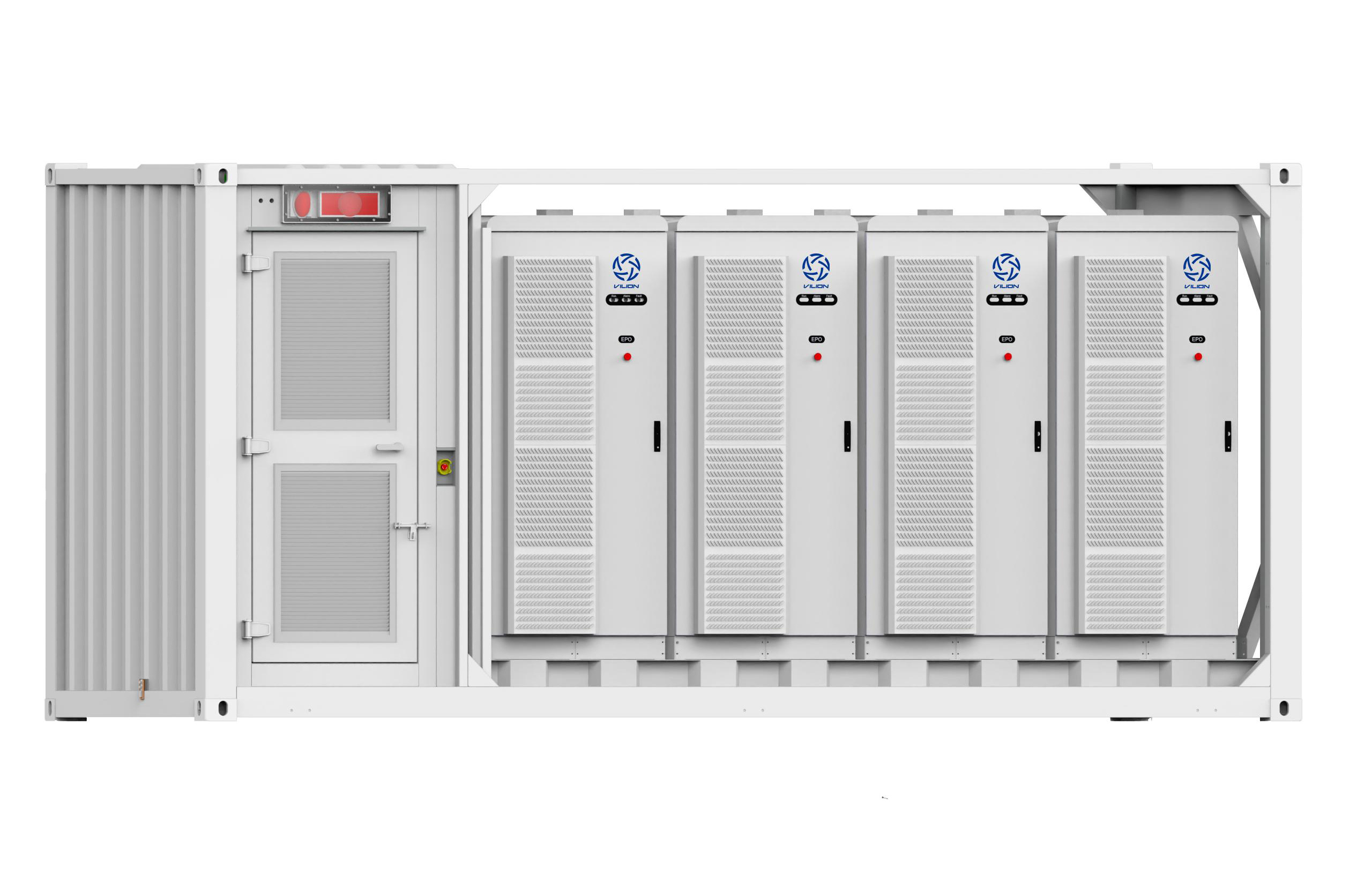
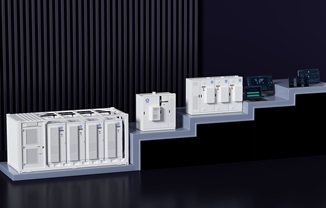
C&I SolutionsLaying the efficient, flexible and economical "smart energy sponge" with energy storage technology to realize green energy to flow on demand.
-
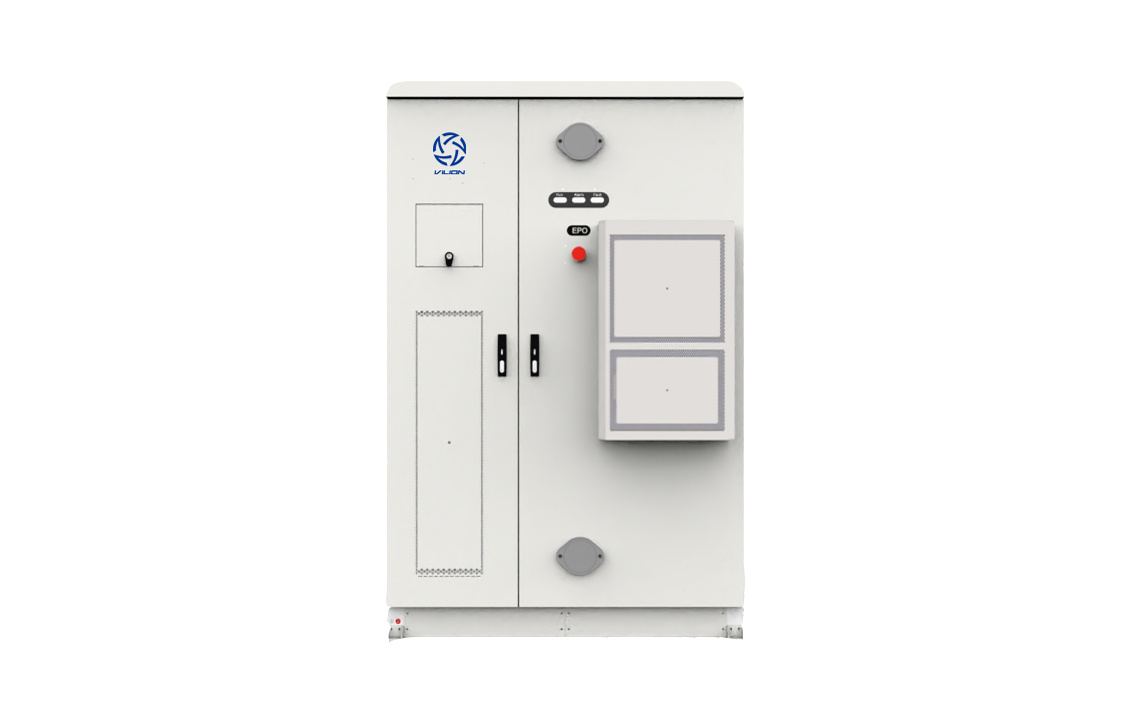
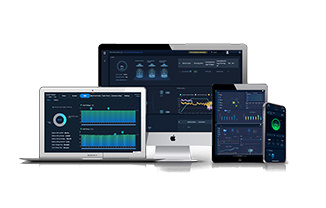
Technology & ServicePursuing a new energy world driven by technological innovation in the electricity and IoT.
-
About VilionIndependent R&D, system integration, software development, O&M and dismantling&recycling, Vilion is a full life cycle partner.







2022-07-14
A Communication Equipment Company in Shenzhen Visited Vilion
On July 8, 2022, the delegations of a communication equipment company of Shenzhen city visited Vilion. The two sides have completed friendly cooperation in the Containerized Energy Storage Systems and other projects before. Mr. Shawn, CEO of Vilion, accompanied the customer to visit Vilion's production base in Shenzhen.

2022-07-12
Vilion Signed the Business Cooperation Agreement with a Power Station & Energy Facility EPC Company in South Africa
On July 11, 2022, Vilion signed the Business Cooperation Agreement with a power plant & energy facilities design, EPC and O&M company in South Africa, which is the only power station supplier, EPC & operator with on-the-ground experience managing energy assets in Africa for corporate and industrial customers. Based on a variety of cooperation opportunities in the field of renewable energy projects between the two sides, Vilion authorized the company to use Vilion’s brand and products for the renewable energy project development and marketing including the promotion, sales, and service, as well as the use of the authorized intellectual property in Africa and the Middle East. This is a key measure of Vilion's strategic deployment in Africa and the Middle East in 2022, and provides a reliable and convenient way for Vilion to further expand its business in overseas markets.

2022-07-12
An Energy Company from Guangdong Visited Vilion
On July 12, 2022, Mr. Yang and Mr. Zeng of an energy company of Guangdong province visited Vilion, the two sides held a communication meeting firstly. Mr. Shawn, CEO of Vilion, and Mr. Zhang, director of product development of Vilion combined the meeting and introduced the main business, products, technology features, typical cases etc. to customers, and then the two sides discussed on the further cooperation on the Integrated Outdoor Battery Energy Storage Cabinet produced by Vilion. Subsequently, Mr. Yang and Mr. Zeng, accompanied by Mr. Song and Mr. Zhang, visited the Shenzhen production base of Vilion for more about the production and technological process of the products.
Communication meeting
Production base visiting

2022-07-11
Lithium Iron Phosphate(LFP) Batteries – Pros and Cons
Introduction:
LFP (Lithium Ferrophosphate or Lithium Iron Phosphate) is currently becoming one of the most popular energy storage battery. They are many times lighter than lead acid batteries and last much longer with an expected life of over 3000 cycles (8+ years). Initial cost has dropped to the point that most of the LFP battery banks break even with lead acid cost after only 4 years. In some cases, total landed cost of LFP batteries has been less than AGM due to high weight-based shipping costs. However, they must be shipped as class 9 Dangerous Goods, which can increase shipping prices in some circumstances.
Pros:
Extended cycle life:
These LFP batteries have an expected cycle life of 3000 – 10,000 cycles. This is 8 to 20 years of daily deep cycling.
Lead Acid batteries typically have a typical life of about 1500 cycles (4 years) in our tropical installations. Maximum lead acid life can be up to 3500 cycles, but this assumes the battery is only cycled to 35% Depth of Discharge (DOD) and always kept at 75ºF.
Higher efficiency:
LFP batteries are 98% efficient. This means that when you put 100 amp hours into an LFP battery, you get about 98 Ah back out
Lead acid batteries (flooded, GEL, AGM) are only about 80% efficient. This means that when you put 100 amp hours into lead acid batteries, you get about 80Ah back out.
Shorter absorb time:
These LFP batteries only need to reach the absorb voltage for a few minutes before they are fully charged.
Lead Acid batteries need between 4 and 12 hours of absorb time. This can be difficult to achieve on solar electric systems.
Not damaged by Partial State of Charge (PSOC):
LFP batteries do not need to reach 100% State of Charge (SOC) on a regular basis.
Lead acid batteries need to be regularly charged up to 100% SOC. If not, they degrade. This may lead to starting up a generator during rainy season, and with the 4 hour Absorb time, this can result in using a large amount of fuel.
Long shipping times, furloughs, and extended absences:
These LFP batteries will not, under normal circumstances, suffer from long shipping times. These batteries can also be stored unused for up to 1 year with no maintenance.
Lead acid batteries will degrade after only 3 months in shipping. Furloughs and extended absences can also damage lead acid batteries.
High temperature operation:
These LFP batteries can be operated at any temperature between 32ºF and 120ºF, with little degradation.
Lead acid battery cycle life will degrade quicker at higher temperatures. For every 15ºF above 75ºF the cycle life of a lead acid battery is reduced by half.
Lightweight:
At only 30lbs each, a typical LFP battery bank (5) will weigh 150lbs.
A typical lead acid battery can weigh 180 lbs. each, and a battery bank can weigh over 650lbs.
These LFP batteries are based on the Lithium Iron Phosphate chemistry, which is one of the safest Lithium battery chemistries, and is not prone to thermal runaway.
Cons:
Price:
An LFP battery will cost about twice as much as a equivalent high quality AGM battery.
Typical return on investment is 5 years, when an AGM bank would need to be replaced.
If you will only need batteries for 4 to 6 years, lead acid may be a better choice
Low reserve capacity:
Because of price and intended cycle depth, LFP batteries will have a very small reserve capacity (about 20%) designed into the bank. Offgrid Tech has a design target of 65% Depth of Discharge (DOD) daily, (discharging down to 35% State of Charge [SOC] daily). This leaves very little power left over in reserve. We do not recommend discharging these LFP batteries lower than 85% DOD (15% SOC). This may mean a user may need to run a generator or reduce loads more often.
Lead Acid battery banks are designed with reserve capacity in mind (about 45%). A typical lead acid battery bank for a solar electric system will be designed to be discharged to 35% DOD (or 65% full SOC) on a daily basis. This leaves 65% in the batteries as a buffer. Lead Acid batteries can, on occasion be discharged all the way to 80% DOD (20% SOC).
Subject to damage if over or under charged
High voltage (15 volts or higher) can damage an LFP battery.
Over discharging an LFP battery to the point where it turns off is also potentially damaging.
It is very important than an LFP battery never be over charged (Use high quality equipment) and just as equally important to never let the batteries get completely empty (monitor the voltage and charge via generator when low). We do not recommend leaving BattleBorn batteries connected to loads but unattended for more than 2 weeks.
May be more susceptible to lightning damage.
LFP batteries have sensitive electronics inside each battery. These can potentially be destroyed by voltage spikes and surges from nearby lightning strikes. Surge suppression is built into the battery combiner box to help mitigate this possibility.
Lead Acid batteries have a much smaller ch

2022-07-07
An Electricity Sales Company from Guangdong Visited Vilion
On July 7, 2022, Mr. Huang with the delegations of a Guangdong Electricity Sales Company visited Vilion. They mainly carried out the technical exchanges with Vilion in the field of energy storage. Mr. Shawn, CEO of Vilion, and Mr. Andy, chief engineer of Vilion, attended the exchange meeting, and then accompanied the customers to visit Vilion's production base in Shenzhen.
Exchange meeting
Production base visiting

2022-07-06
Why Energy Storage---- Customer-Sited Benefits
On-site storage provides means for electricity end-users to manage their electricity costs, often behind the meter. End-users can also use on-site storage to reduce costs associated with unreliable and lower quality power. End-users may use storage they own to generate revenue, via spot markets and/or under auspices of a contract or power purchase agreement for energy, capacity, or ancillary services. Similarly, end-user sited storage could be aggregated by a third party or merchant power provider to provide such applications.
Time-of-use Energy Cost Management
Energy storage can allow consumers to reduce time-of-use (TOU) energy costs. By storing energy during off-peak time periods when the retail electric energy prices are low and using their electricity during times when higher on-peak energy prices apply, end-users can better manage their electricity bill.
For energy end-users to qualify, they must be subject to the relevant type of retail tariff involving prices for energy that reflect time-specific prices. Typically, energy time-of-use tariffs include prices that are specific to: time-of-day, day of week, and the season –typically “summer” (May through October) and “winter” (November to April), with different regions subject to different seasonal peaks based on climate.
Demand Charge Management
Energy storage can also reduce demand such that peak demand charges are reduced or avoided entirely. This opportunity exists because utility tariffs for commercial electricity end-users – especially those with power requirements that exceed 50 to 100 kW – include separate charges for energy and for power. Power-related demand charges are assessed based on the end-user’s maximum power draw (demand) during specified demand periods.
Like prices for TOU energy, most demand charges are specific to time-of-day, day of week, and season.
The highest demand charges apply during super peak or peak demand periods, typically between 10:00am to 7:00pm during summer weekdays (often with a duration of five to six hours – many utilities’ peak demand period occurs 12:00pm to 5:00pm). Lower demand charges apply during other mid-peak and off-peak times of the year. Demand charges – expressed in units of $/kW-month – are typically assessed monthly, based on the maximum demand within the respective month.
Given this, demand must be reduced during the entire peak demand period within a given month to avoid demand charges. For example, to avoid a monthly peak demand charge the end-user’s demand must be reduced during all hours of the peak demand period within a given month.
More specifically, the full monthly demand charge is assessed if load is present during just one 15-minute period on one day during the time when demand charges apply. To reduce power draw on the grid when demand charges are high (and to avoid demand charges), storage is charged when there are no or low demand charges. The stored energy is then discharged to serve load during times when demand charges apply. The energy discharged offsets the need for the customer to purchase high priced energy from the utility (tariffs with demand charges also include time-of-use energy prices).
Electric Service Reliability
A common use of energy storage is ensuring electricity service without interruption – as with the uninterruptible power supplies (UPS) used in homes and businesses. In the event of a power outage the storage system provides enough power and energy to ride through outages. In some cases electric service will be restored before all stored energy is used. Otherwise, storage allows time for an orderly shutdown of processes or a transfer to on-site generation resources.
Electric Service Power Quality
The electric service power quality (PQ) application is similar to that for the electric service reliability except that, as the benefit’s name implies, the storage is used to protect on-site loads from effects related to poor power quality from the grid. PQ challenges tend to be more pervasive, intermittent and they often occur over short durations. Key examples of poor PQ include:
Voltage variations– short-term spikes or dips, longer term surges or sags and
Electrical “noise” – high frequency transients or oscillations, usually injected into the line by other electricity using equipment and some utility operations.
The energy storage benefit for power quality applications is based on avoided costs related to:
Equipment downtime (listed above for electric service reliability),
Damage to electricity-using equipment, and
Suboptimal equipment operation.
Source: https://energystorage.org/why-energy-storage/applications/customer-sited/

2022-07-01
Huizhou Customers Visited Vilion and Discussing on the Project Acceptance
On June 30, 2020, Mr. Li delegation from Huizhou visited Vilion and conducted site commissioning and acceptance of the Indoor Energy Storage System supplied by Vilion with Mr. Lee, Vilion’s System Integration Director and Mr. Ian, Vilion’s Structual Director. After that, the both parties held a summary meeting on the acceptance notes of 30kW/67kWh project, and made further clarification on the tests items of FAT, documents with project delivery, products name plate and marks.
Product testing and acceptance
Summary meeting

2022-06-29
Unite Pioneers Capital MD Visited Vilion
On the morning of June 28, 2022, Mr .Tang, Managing Director of Shenzhen Unite Pioneers Capital Co., Ltd. visited Vilion, and Mr. Shawn, CEO of Vilion held Business Talks with Mr. Tang. The two sides introduced the company's general situation and development plan, exchanged views on further cooperation and reached broad consensus.

2022-06-29
Technical Conference Between Vilion and Guangdong Customer
New customer from Guangdong visited Vilion on June 27, 2022, and the two sides held a technical conference on the energy storage products produced by Vilion. Mr. Shawn, Vilion CEO, attended the meeting and introduced Vilion's design and innovation on energy storage system safety in detail.
CONTACT US
Vilion (Shenzhen) New Energy Technology Co., Ltd
Add: Tower A, Building 1, Duocai Silicon Valley, No. 8 Juhe Road, Pingshan District, Shenzhen, China
Vilion Tech B. V.
Add: Fascinatio Boulevard 216 Unit 220, 3065WB Rotterdam
Vilion Tech (UK) Ltd
Add: Office 303B 10 Courtenay Rd., East Lane Business Park, Wembley, United Kingdom HA9 7ND


Copyright©2024 Vilion (Shenzhen) New Energy Technology Co., Ltd
