

-
Battery ESSMaximize the value of renewables and energy storage by much safer and more professional products.
-
C&I SolutionsLaying the efficient, flexible and economical "smart energy sponge" with energy storage technology to realize green energy to flow on demand.
-
Technology & ServicePursuing a new energy world driven by technological innovation in the electricity and IoT.
-
About VilionIndependent R&D, system integration, software development, O&M and dismantling&recycling, Vilion is a full life cycle partner.











Protect Your Investments: The Essential Importance of Battery Monitoring in Consumer Electronics
2026-09-30
Protect Your Investments: The Essential Importance of Battery Monitoring in Consumer Electronics
Table of Contents
- Introduction to Battery Monitoring
- What is Battery Monitoring?
- The Importance of Battery Monitoring in Electronics
- Key Benefits of Battery Monitoring Systems
- How Battery Monitoring Works: A Deep Dive
- Choosing the Right Battery Monitoring System for Your Needs
- Common Misconceptions About Battery Monitoring
- The Future of Battery Monitoring Technology
- FAQs About Battery Monitoring in Electronics
- Conclusion
Introduction to Battery Monitoring
In an age where electronic devices are integral to our daily lives, ensuring their longevity and efficiency is paramount. **Battery monitoring** has emerged as a vital component in maintaining the health of various consumer electronics, from smartphones to laptops and beyond. By understanding how battery monitoring works and why it’s crucial, you can protect your valuable investments and enjoy longer-lasting performance from your devices.
What is Battery Monitoring?
Battery monitoring refers to the process of continually assessing the status and health of a battery within an electronic device. This includes tracking parameters such as voltage, temperature, charge cycles, and overall battery capacity. Through sophisticated algorithms and sensors, battery monitoring systems provide real-time data that informs users and devices about battery performance.
Battery monitoring can be implemented in various ways, including hardware solutions embedded in devices and software applications that provide insights to users. The ultimate goal is to preemptively detect issues that may compromise battery life, ensuring devices operate efficiently and safely.
The Importance of Battery Monitoring in Electronics
Battery monitoring plays a pivotal role in optimizing the performance and longevity of electronic devices. With the increasing reliance on rechargeable batteries, understanding their health has never been more critical. Here’s why battery monitoring is essential:
1. Maximizing Battery Lifespan
By consistently monitoring the health of a battery, users can take proactive measures to extend its lifespan. This includes avoiding overcharging, deep discharging, and maintaining optimal temperature ranges.
2. Enhancing Device Performance
A well-monitored battery contributes to smoother device performance. By preventing unexpected shutdowns or power fluctuations, users can ensure their devices run efficiently, avoiding interruptions that can lead to lost data or productivity.
3. Preventing Safety Hazards
Lithium-ion batteries, commonly used in consumer electronics, can pose safety risks if not managed correctly. Battery monitoring systems help detect potential issues like overheating or short circuits, minimizing the risk of fire or explosion.
Key Benefits of Battery Monitoring Systems
Battery monitoring systems offer a plethora of benefits that enhance the user experience and safeguard device integrity.
1. Real-Time Insights
With real-time data, users can quickly assess the state of their batteries and make informed decisions regarding usage, charging, and maintenance.
2. Remote Monitoring Capabilities
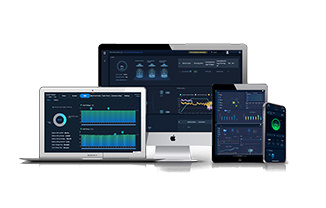
Many modern battery monitoring solutions offer remote monitoring features, allowing users to check battery health from anywhere. This is particularly useful for professionals managing multiple devices.
3. Predictive Maintenance
Battery monitoring can predict when a battery may fail or require maintenance, allowing users to mitigate issues before they escalate. This can save both time and money in device repairs.
4. User-Friendly Alerts
Most battery monitoring systems come equipped with alert systems that notify users of critical battery conditions, ensuring prompt action can be taken.
5. Environmental Impact
By extending the lifespan of batteries, monitoring systems contribute to more sustainable practices, reducing the need for frequent replacements and minimizing electronic waste.
How Battery Monitoring Works: A Deep Dive
Understanding the mechanics behind battery monitoring systems can empower users to make the most of their devices.
1. Key Components of Battery Monitoring Systems
Battery monitoring systems typically involve several core components:
- **Voltage Sensors**: Measure the voltage across the battery terminals to determine charge levels.
- **Current Sensors**: Track the flow of current to and from the battery, providing data on charging and discharging cycles.
- **Temperature Sensors**: Monitor the temperature of the battery, ensuring it remains within safe operating limits.
- **Data Processing Units**: Analyze the data collected by sensors and convert it into actionable insights.
2. Data Analysis and Reporting
The information gathered by the sensors is processed through algorithms designed to assess battery health. This includes calculating the state of charge (SoC) and state of health (SoH), which inform users about how much life is left in the battery and when it may need replacing.
3. Integration with Device Software
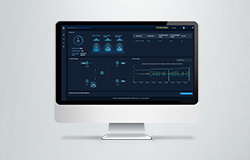
Modern devices often integrate battery monitoring systems with their operating software, providing users with dashboards displaying battery status, health metrics, and usage patterns.
Choosing the Right Battery Monitoring System for Your Needs
Selecting an appropriate battery monitoring system requires consideration of various factors to ensure it meets your specific needs.
1. Compatibility with Your Device
Before investing in a battery monitoring system, confirm its compatibility with your electronic devices. Some systems are designed for specific battery types or brands.
2. Features to Look For
Look for features such as real-time monitoring, predictive maintenance alerts, and remote access capabilities. These can significantly enhance your experience and provide greater control over battery management.
3. Ease of Use
A user-friendly interface is essential for effectively utilizing battery monitoring systems. Select options with intuitive dashboards and straightforward alert systems that simplify the monitoring process.
4. Budget Considerations
Battery monitoring systems come in various price ranges. Determine your budget while ensuring that the selected system provides the necessary features and reliability.
Common Misconceptions About Battery Monitoring
Despite the clear advantages of battery monitoring systems, several misconceptions persist that may deter users from adopting this technology.
1. Battery Monitoring is Only for High-End Devices
Many believe that battery monitoring is only essential for high-end electronics, but it is equally important for everyday devices that rely on rechargeable batteries.
2. Battery Monitoring Systems are Complicated
While some users may fear that battery monitoring systems are overly complex, many modern solutions are designed with user-friendliness in mind, offering straightforward installation and usage.
3. All Batteries are the Same
Not all batteries behave similarly under various conditions. Battery monitoring systems help identify the specific needs of different battery types, ensuring optimal management.
The Future of Battery Monitoring Technology
As technology continues to evolve, so too does the landscape of battery monitoring. Emerging trends and innovations promise to enhance battery management capabilities further.
1. Integration with Smart Home Systems
The future will likely see battery monitoring systems integrated with smart home technologies, allowing for more comprehensive management of all devices within a household.
2. AI-Powered Monitoring
Artificial intelligence (AI) is poised to revolutionize battery monitoring by providing more accurate predictive analytics and maintenance scheduling based on usage patterns and environmental factors.
3. Sustainability Initiatives
As environmental concerns grow, battery monitoring technology will play a crucial role in promoting sustainability by enhancing recycling efforts and reducing electronic waste.
FAQs About Battery Monitoring in Electronics
1. What types of devices can benefit from battery monitoring?
Battery monitoring is beneficial for a wide range of devices, including smartphones, laptops, tablets, electric vehicles, and power tools.
2. How often should I check my battery health?
Regular checks are recommended, ideally whenever you notice a decrease in performance or at least once a month to ensure optimal battery health.
3. Can battery monitoring systems prevent battery failure?
While they cannot guarantee prevention, battery monitoring systems can significantly reduce the risk by providing early warnings of potential issues.
4. Are battery monitoring systems expensive?
Costs vary widely based on features and compatibility, but many affordable options are available that provide excellent value for money.
5. How do I know if my battery needs replacing?
Signs that a battery may need replacing include rapid discharge, overheating, physical damage, or a significant drop in performance metrics reported by the monitoring system.
Conclusion
In today’s technology-driven world, **battery monitoring** has become a crucial element in protecting our investments in consumer electronics. By understanding the importance of monitoring systems and the benefits they offer, users can significantly enhance the performance, safety, and longevity of their devices. As technology continues to advance, embracing these systems will not only ensure optimal battery health but also contribute to a greener, more sustainable future. Investing in battery monitoring is a proactive step toward safeguarding our essential electronic devices.
MORE NEWS

2026-09-30
Protect Your Investments: The Essential Importance of Battery Monitoring in Consumer Electronics
Protect Your Investments: The Essential Importance of Battery Monitoring in Consumer Electronics
Table of Contents
Introduction to Battery Monitoring
What is Battery Monitoring?
The Importance of Battery Monitoring in Electronics
Key Benefits of Battery Monitoring Systems
How Battery Monitoring Works: A Deep Dive
Choosing the Right Battery Monitoring System

2026-09-28
Optimizing Energy Efficiency: The Role of Energy Management Systems in Battery and Charger Technologies
In the realm of consumer electronics, particularly within the battery and charger segment, the implementation of an Energy Management System (EMS) plays a critical role in optimizing energy usage, reducing waste, and improving overall product performance. An EMS provides a framework for monitoring, controlling, and conserving energy, ensuring that devices operate at their highest efficiency.
One

2026-09-26
Your Home's Energy Hub: The All-In-One Storage Advantage for Modern Living
Your Home's Energy Hub: The All-In-One Storage Advantage for Modern Living
As we strive for greener living and increased energy efficiency, the concept of an all-in-one energy storage hub is becoming increasingly popular among homeowners. Imagine a single system that not only stores energy generated from renewable sources but also manages your home's energy consumption seamlessly. In this guide,

2026-09-24
Understanding Containerized Energy Storage Systems in Consumer Electronics
Containerized Energy Storage Systems (CESS) represent a transformative approach to energy management, particularly relevant in the consumer electronics sector that involves batteries and chargers. These systems encapsulate battery storage within a portable container, enabling efficient energy utilization, improved scalability, and enhanced reliability. As the demand for energy-efficient solutions
CONTACT US
Vilion (Shenzhen) New Energy Technology Co., Ltd
Add: Tower A, Building 1, Duocai Silicon Valley, No. 8 Juhe Road, Pingshan District, Shenzhen, China
Vilion Tech B. V.
Add: Fascinatio Boulevard 216 Unit 220, 3065WB Rotterdam
Vilion Tech (UK) Ltd
Add: Office 303B 10 Courtenay Rd., East Lane Business Park, Wembley, United Kingdom HA9 7ND


Copyright©2024 Vilion (Shenzhen) New Energy Technology Co., Ltd