

-
Battery ESSMaximize the value of renewables and energy storage by much safer and more professional products.
-
C&I SolutionsLaying the efficient, flexible and economical "smart energy sponge" with energy storage technology to realize green energy to flow on demand.
-
Technology & ServicePursuing a new energy world driven by technological innovation in the electricity and IoT.
-
About VilionIndependent R&D, system integration, software development, O&M and dismantling&recycling, Vilion is a full life cycle partner.






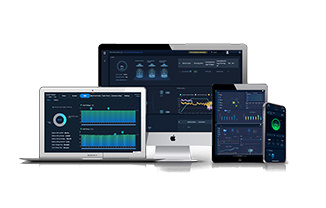




The Hidden Benefits of Implementing a Battery Monitoring System
2026-08-01
The Hidden Benefits of Implementing a Battery Monitoring System
Table of Contents
1. Introduction to Battery Monitoring Systems
2. Understanding Battery Health and Performance
3. Key Features of Modern Battery Monitoring Systems
3.1 Real-Time Monitoring
3.2 State of Charge (SOC) Tracking
3.3 Temperature Management
4. The Economic Benefits of Battery Monitoring
4.1 Cost Reduction through Improved Efficiency
4.2 Extending Battery Lifespan
5. Safety Enhancements through Monitoring
5.1 Preventing Overcharging and Overheating
5.2 Early Warning Systems for Faults
6. Environmental Impact and Sustainability
7. Case Studies: Real-World Applications
8. Frequently Asked Questions
9. Conclusion
1. Introduction to Battery Monitoring Systems
The rapid advancement in **consumer electronics** has led to an increased reliance on battery-operated devices. With this growth, the importance of **battery monitoring systems** (BMS) cannot be overstated. These sophisticated systems offer a way for users to track the performance and health of their batteries in real-time. In this article, we will explore the hidden benefits of implementing a battery monitoring system, demonstrating how it can enhance device longevity, improve safety, and provide economic advantages.
2. Understanding Battery Health and Performance
To fully appreciate the advantages of battery monitoring systems, it's essential to grasp the concept of battery health. Battery health encompasses various factors, including its **charge cycle**, **capacity**, and **internal resistance**. A battery's performance can significantly fluctuate based on these parameters. By utilizing a battery monitoring system, users can obtain insights into these characteristics, thus enabling informed decisions regarding usage and maintenance.
3. Key Features of Modern Battery Monitoring Systems
Battery monitoring systems come equipped with several features designed to provide users with comprehensive insights into battery status.
3.1 Real-Time Monitoring
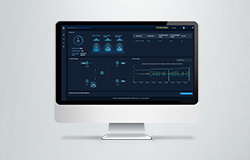
Real-time monitoring is one of the standout features of modern battery management systems. This capability allows for continuous tracking of battery voltage, current, and temperature, which are critical for ensuring optimal performance. Users can access data via an app or a dedicated interface, making it easy to stay informed about their battery's condition.
3.2 State of Charge (SOC) Tracking
State of Charge (SOC) tracking is vital for understanding how much energy is left in the battery. Accurate SOC readings prevent users from running out of power unexpectedly. This feature is particularly beneficial in industrial applications where downtime can be costly.
3.3 Temperature Management
Temperature management is another crucial aspect of battery performance. Excessive heat can accelerate battery degradation. A robust battery monitoring system can track temperature fluctuations and emit alerts if temperatures rise above safe thresholds, enabling preventive action.
4. The Economic Benefits of Battery Monitoring
Implementing a battery monitoring system can lead to significant economic savings over time.
4.1 Cost Reduction through Improved Efficiency
By utilizing a battery monitoring system, users can enhance the overall efficiency of their devices. With real-time data, they can optimize charging patterns and usage behaviors, resulting in lower energy costs.
4.2 Extending Battery Lifespan
An effective battery monitoring system helps prolong battery life by providing insights into usage patterns and health metrics. Preventative maintenance can be performed based on this data, reducing the need for frequent replacements and the associated costs.
5. Safety Enhancements through Monitoring
Safety is a paramount concern for battery-operated devices. The implementation of a battery monitoring system provides several safety enhancements.
5.1 Preventing Overcharging and Overheating
One of the primary risks associated with battery usage is overcharging, which can lead to overheating and, in extreme cases, fires. A monitoring system can automatically halt charging once the battery reaches its full capacity, ensuring safety and reliability.
5.2 Early Warning Systems for Faults
Battery monitoring systems can identify anomalies that may signal a potential fault. Early detection allows for timely intervention, minimizing the risk of hazardous situations and safeguarding the user and their device.
6. Environmental Impact and Sustainability
Batteries have a significant environmental footprint, especially when they are not managed properly. By implementing battery monitoring systems, users can adopt more sustainable practices.
Monitoring systems reduce waste by extending battery life and improving efficiency. This leads to fewer batteries being disposed of and less environmental degradation. Additionally, accurate SOC tracking can facilitate recycling efforts when batteries reach the end of their lifecycle.
7. Case Studies: Real-World Applications
Several industries have successfully integrated battery monitoring systems, showcasing the tangible benefits of this technology.
In the **electric vehicle** sector, manufacturers use battery management systems to monitor the health and efficiency of vehicle batteries. This not only enhances performance but also builds consumer trust in the longevity of the product. Similarly, in the **renewable energy** sector, solar storage systems utilize battery monitoring to optimize energy usage and minimize costs.
8. Frequently Asked Questions
What is a Battery Monitoring System?
A battery monitoring system is a technology designed to track the performance and health of batteries in real-time, providing users with vital data on charge levels, temperature, and overall battery condition.
How Does a Battery Monitoring System Work?
The system employs sensors to gather data regarding voltage, current, and temperature, which is then processed to deliver insights into battery health and performance.
What are the Benefits of Using Battery Monitoring Systems?
Some key benefits include improved battery lifespan, enhanced safety, real-time monitoring, cost savings, and reduced environmental impact.
Can Battery Monitoring Systems Prevent Battery Failure?
Yes, by providing early warnings and insights into battery health, these systems can help prevent battery failure by allowing users to take necessary actions before a fault occurs.
Are Battery Monitoring Systems Suitable for All Types of Batteries?
While battery monitoring systems can be beneficial for various battery types, their effectiveness may vary based on the technology and application. It's crucial to choose a system compatible with the specific battery type in use.
9. Conclusion
In conclusion, the implementation of a battery monitoring system offers numerous hidden benefits that can significantly enhance battery performance, safety, and economic efficiency. From real-time monitoring to improved lifespan and environmental sustainability, these systems are an invaluable addition for both consumers and industries. As technology continues to evolve, adopting battery monitoring systems will become increasingly essential for optimizing battery usage and ensuring a sustainable future. Embracing this innovation not only serves individual interests but contributes positively to broader environmental goals, making it a wise choice for anyone relying on battery technology.
MORE NEWS

2026-09-14
Battery Energy Storage Systems: Transforming Load Management in the Energy Sector
Battery Energy Storage Systems: Transforming Load Management in the Energy Sector
Introduction to Battery Energy Storage Systems
Battery Energy Storage Systems (BESS) have emerged as a pivotal technology in the energy sector, particularly in enhancing load management. As the demand for reliable and sustainable energy solutions continues to grow, BESS provides a robust mechanism for addressing chal

2026-09-12
Unlocking the Future of Energy: Understanding High Power Battery Storage
High power battery storage has emerged as a critical component in the realm of consumer electronics, particularly in the battery and charger sector. With the increasing demand for efficient and reliable energy sources, understanding the intricacies of high power battery storage is essential for consumers and manufacturers alike.
High power battery storage systems are designed to deliver significan

2026-09-11
Vilion Holds Intellectual Property Training to Strengthen R&D Innovation and Patent Protection Awareness
On September 10, Vilion organized a professional training session on intellectual property for all members of the Product Development Center and the Platform & Component Technology R&D Center.

2026-09-10
Commercial BESS: Empowering Businesses with Smarter, More Reliable Energy Storage Solutions
Commercial BESS provides reliable energy storage for businesses, optimizing power uses through smart battery management
CONTACT US
Vilion (Shenzhen) New Energy Technology Co., Ltd
Add: Tower A, Building 1, Duocai Silicon Valley, No. 8 Juhe Road, Pingshan District, Shenzhen, China
Vilion Tech B. V.
Add: Fascinatio Boulevard 216 Unit 220, 3065WB Rotterdam
Vilion Tech (UK) Ltd
Add: Office 303B 10 Courtenay Rd., East Lane Business Park, Wembley, United Kingdom HA9 7ND


Copyright©2024 Vilion (Shenzhen) New Energy Technology Co., Ltd