

-
Battery ESSMaximize the value of renewables and energy storage by much safer and more professional products.
-
C&I SolutionsLaying the efficient, flexible and economical "smart energy sponge" with energy storage technology to realize green energy to flow on demand.
-
Technology & ServicePursuing a new energy world driven by technological innovation in the electricity and IoT.
-
About VilionIndependent R&D, system integration, software development, O&M and dismantling&recycling, Vilion is a full life cycle partner.








The Essential Guide to Battery Cabinets: Safeguarding Your Power Source
2026-07-22
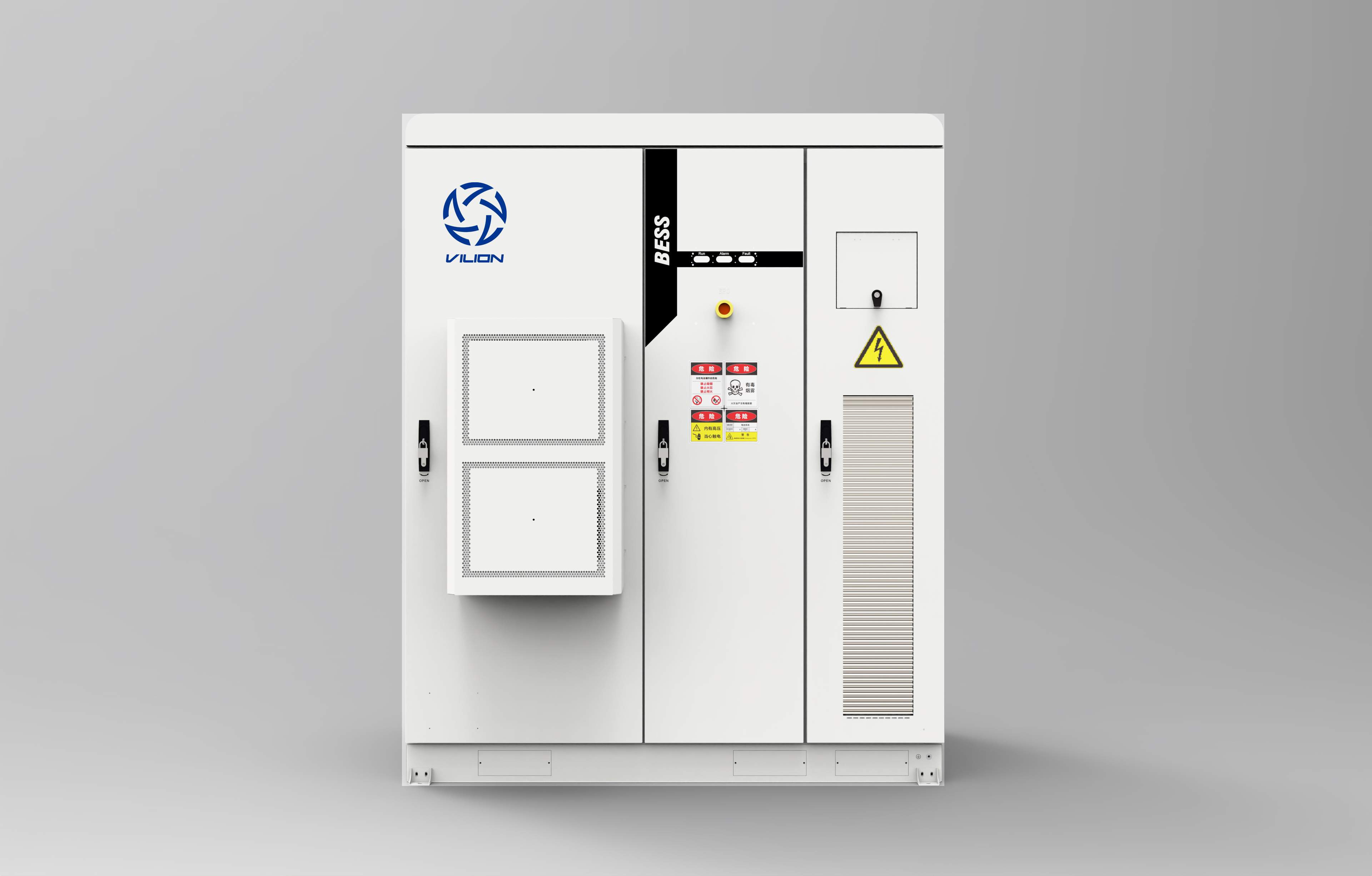
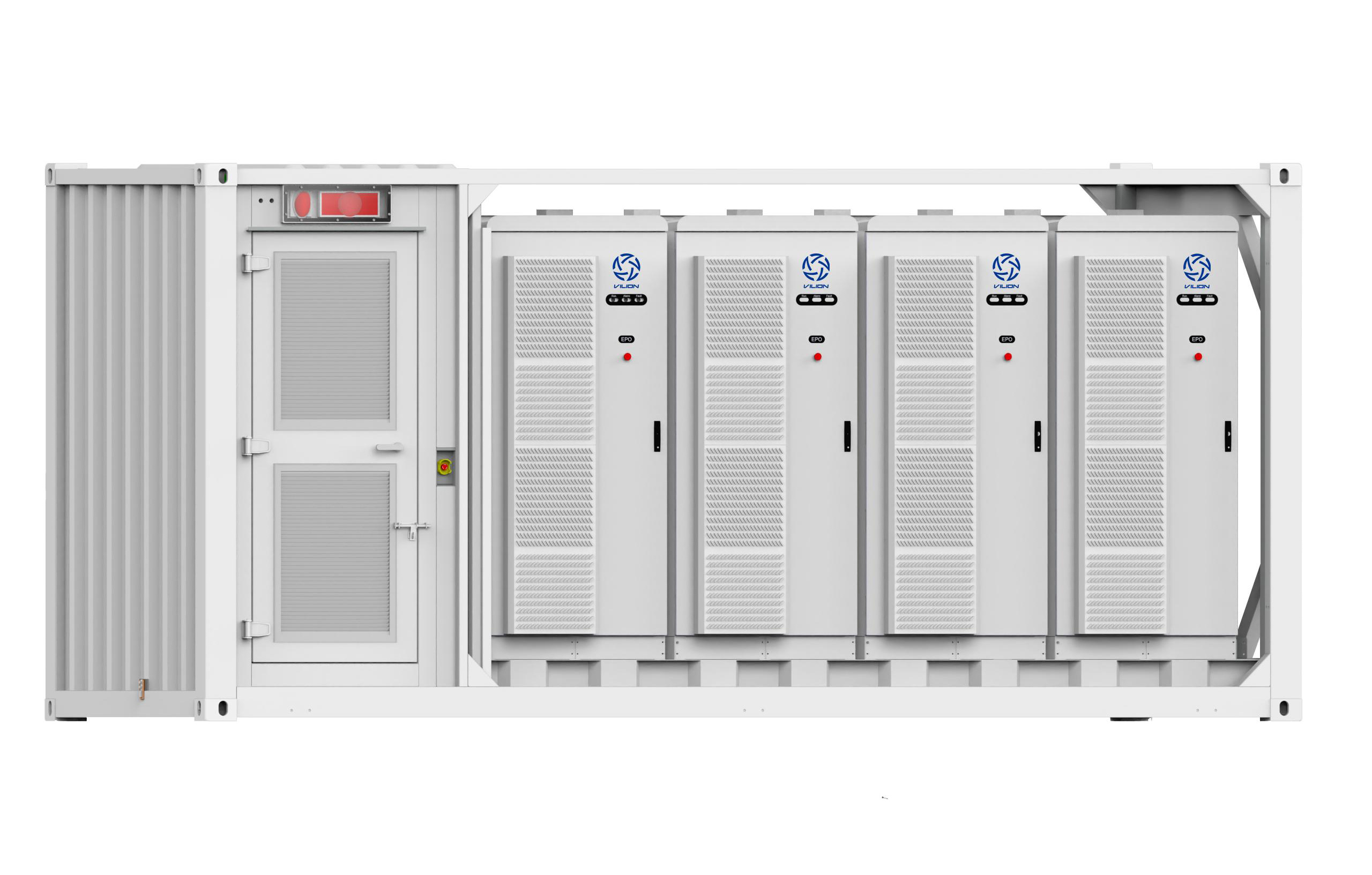
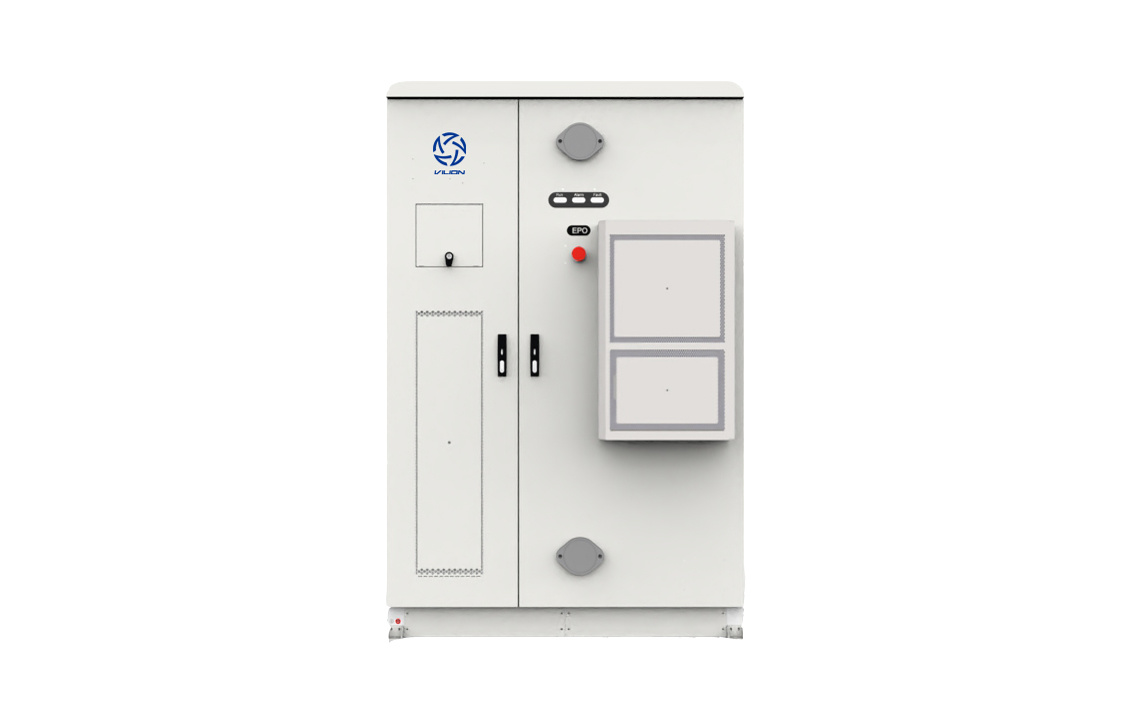
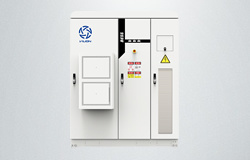
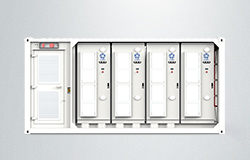
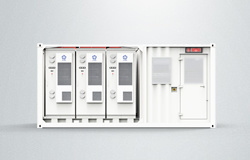
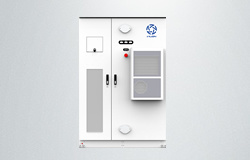
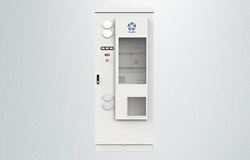
Battery cabinets are specialized storage solutions designed to house batteries safely and efficiently. In the realm of consumer electronics, particularly for rechargeable batteries and chargers, the importance of a well-constructed battery cabinet cannot be overstated. These cabinets play a critical role in ensuring not only the longevity of the batteries but also the safety of users and surrounding equipment.
One of the primary functions of a battery cabinet is to provide a secure environment for battery storage. Rechargeable batteries can be sensitive to environmental conditions, and improper storage can lead to performance issues, reduced lifespan, or even hazardous situations. Battery cabinets are often constructed with durable materials that protect against dust, moisture, and temperature fluctuations, enhancing the overall reliability of the batteries inside.
When selecting a battery cabinet, consider the types of batteries you will be storing. Different batteries, such as lithium-ion, nickel-metal hydride, or lead-acid, have varying requirements in terms of ventilation and safety measures. A well-designed battery cabinet will often include features like ventilation slots, fire-resistant materials, and even monitoring systems to keep track of battery performance and health.
Another essential aspect of battery cabinets is organization. A well-organized cabinet allows for easy access to batteries, reducing the time spent searching for specific cells or chargers. Many battery cabinets come with adjustable shelving, compartments, and labeling systems that facilitate efficient storage and retrieval. This organization not only saves time but also ensures that batteries are handled properly, reducing the risk of damage.
Safety is paramount in any setting where batteries are used. Battery cabinets should adhere to industry standards and regulations to ensure compliance and safety. Look for cabinets that have been tested for fire resistance and other safety features. In addition, proper training for individuals who will be using the battery cabinet is crucial. This includes understanding the types of batteries stored, the appropriate handling procedures, and emergency protocols in case of a battery failure.
In summary, battery cabinets offer a multifaceted solution for managing batteries within the consumer electronics sector. By providing a safe, organized, and efficient storage space, they enhance battery performance, prolong lifespan, and ensure user safety. When investing in battery cabinets, focus on quality, safety features, and suitability for your specific battery types to maximize the benefits they bring to your operations. With the right battery cabinet, you can safeguard not just your batteries but also the integrity of your entire electronic system.
MORE NEWS

2026-10-12
The Environmental Impact of Switching to Commercial BESS Solutions
The Environmental Impact of Switching to Commercial BESS Solutions
Table of Contents
Introduction to Battery Energy Storage Systems
What is a Battery Energy Storage System (BESS)?
The Significant Environmental Benefits of BESS
How BESS Reduces Carbon Footprint
Sustainable Energy Sourcing with BESS
Cost-Effectiveness of Implementing BESS Solutions
Challenges and Misconc

2026-10-09
Vilion Attends Rotterdam’s Annual Red Carpet Dinner to Connect and Explore Collaboration
On 5 October 2026, Vilion attended Rotterdam’s annual Red Carpet Dinner at the invitation of the city’s Vice Mayor.

2026-10-08
Choosing the Right Energy Storage System for Your Devices: A Comprehensive Guide
Choosing the Right Energy Storage System for Your Devices
Table of Contents
1. Understanding Energy Storage Systems
2. Types of Batteries and Their Applications
2.1 Lithium-ion Batteries: The Modern Standard
2.2 Nickel-Metal Hydride Batteries: A Versatile Option
2.3 Lead-Acid Batteries: The Traditional Workhorse
3. Evaluating Your Device’s Power Needs
3.1 Determining Energy Consump

2026-10-06
Harnessing the Future: Understanding Containerized Battery Energy Storage Systems
Containerized Battery Energy Storage Systems (CBESS) are rapidly gaining traction as a flexible and efficient solution for energy storage, particularly in industries like consumer electronics where there is a growing demand for reliable power sources. Essentially, CBESS are modular systems that house battery systems within a secure, transportable container, enabling easy deployment and scalability
CONTACT US
Vilion (Shenzhen) New Energy Technology Co., Ltd
Add: Tower A, Building 1, Duocai Silicon Valley, No. 8 Juhe Road, Pingshan District, Shenzhen, China
Vilion Tech B. V.
Add: Fascinatio Boulevard 216 Unit 220, 3065WB Rotterdam
Vilion Tech (UK) Ltd
Add: Office 303B 10 Courtenay Rd., East Lane Business Park, Wembley, United Kingdom HA9 7ND


Copyright©2024 Vilion (Shenzhen) New Energy Technology Co., Ltd