

-
Battery ESSMaximize the value of renewables and energy storage by much safer and more professional products.
-
C&I SolutionsLaying the efficient, flexible and economical "smart energy sponge" with energy storage technology to realize green energy to flow on demand.
-
Technology & ServicePursuing a new energy world driven by technological innovation in the electricity and IoT.
-
About VilionIndependent R&D, system integration, software development, O&M and dismantling&recycling, Vilion is a full life cycle partner.
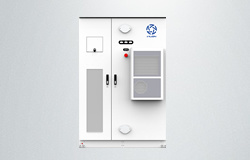

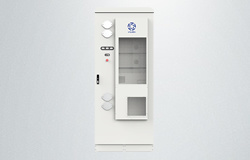
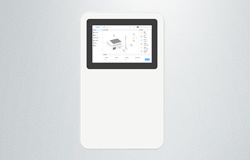
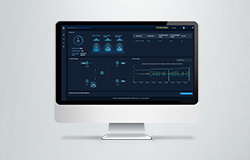





Optimizing Energy Management Systems for Consumer Electronic Devices
2026-06-07
---
Energy Management Systems (EMS) play a crucial role in the consumer electronics industry, especially concerning battery and charger technologies. An efficient EMS helps manage energy consumption, optimize performance, and extend the lifespan of rechargeable batteries. As the demand for energy-efficient devices continues to rise, understanding the intricacies of EMS becomes increasingly important for manufacturers and consumers alike.
At the core of an EMS is the ability to monitor, control, and optimize energy usage. By integrating real-time data analytics, manufacturers can gain insights into power consumption patterns, allowing for timely adjustments that enhance efficiency. For instance, an EMS can monitor the charging cycles of batteries, identifying when a battery is fully charged and preventing overcharging, which can lead to decreased battery life and potential safety hazards.
Moreover, an effective EMS can also facilitate smarter energy distribution. In devices that use multiple batteries or have complex power requirements, the system can prioritize energy allocation based on usage patterns. This ensures that critical functionalities receive the necessary power while minimizing waste on non-essential components. As a result, devices equipped with a robust EMS often exhibit longer operational times and improved overall performance.
Another significant aspect of EMS in the context of batteries and chargers is its contribution to sustainability. By optimizing energy consumption and reducing waste, these systems support eco-friendly practices. For companies committed to reducing their carbon footprint, an EMS can help achieve compliance with environmental regulations and promote a positive brand image among environmentally conscious consumers.
Additionally, advancements in technology are enhancing the capabilities of Energy Management Systems. Innovations such as machine learning and artificial intelligence can further improve energy optimization strategies, enabling devices to learn from user behaviors and adapt accordingly. This not only enhances user experience but also contributes to the longevity and reliability of battery-powered devices.
In summary, the integration of Energy Management Systems into the design and operation of consumer electronic devices is essential for optimizing performance, extending battery life, and promoting sustainability. By focusing on energy efficiency, manufacturers can meet the growing consumer demand for eco-friendly products while also enhancing the functionality and reliability of their devices. For professionals in the battery and charger sector, embracing EMS technology is not just a trend but a necessary step toward ensuring future success in a competitive market.
Energy Management Systems (EMS) play a crucial role in the consumer electronics industry, especially concerning battery and charger technologies. An efficient EMS helps manage energy consumption, optimize performance, and extend the lifespan of rechargeable batteries. As the demand for energy-efficient devices continues to rise, understanding the intricacies of EMS becomes increasingly important for manufacturers and consumers alike.
At the core of an EMS is the ability to monitor, control, and optimize energy usage. By integrating real-time data analytics, manufacturers can gain insights into power consumption patterns, allowing for timely adjustments that enhance efficiency. For instance, an EMS can monitor the charging cycles of batteries, identifying when a battery is fully charged and preventing overcharging, which can lead to decreased battery life and potential safety hazards.
Moreover, an effective EMS can also facilitate smarter energy distribution. In devices that use multiple batteries or have complex power requirements, the system can prioritize energy allocation based on usage patterns. This ensures that critical functionalities receive the necessary power while minimizing waste on non-essential components. As a result, devices equipped with a robust EMS often exhibit longer operational times and improved overall performance.
Another significant aspect of EMS in the context of batteries and chargers is its contribution to sustainability. By optimizing energy consumption and reducing waste, these systems support eco-friendly practices. For companies committed to reducing their carbon footprint, an EMS can help achieve compliance with environmental regulations and promote a positive brand image among environmentally conscious consumers.
Additionally, advancements in technology are enhancing the capabilities of Energy Management Systems. Innovations such as machine learning and artificial intelligence can further improve energy optimization strategies, enabling devices to learn from user behaviors and adapt accordingly. This not only enhances user experience but also contributes to the longevity and reliability of battery-powered devices.
In summary, the integration of Energy Management Systems into the design and operation of consumer electronic devices is essential for optimizing performance, extending battery life, and promoting sustainability. By focusing on energy efficiency, manufacturers can meet the growing consumer demand for eco-friendly products while also enhancing the functionality and reliability of their devices. For professionals in the battery and charger sector, embracing EMS technology is not just a trend but a necessary step toward ensuring future success in a competitive market.
MORE NEWS

2026-10-12
The Environmental Impact of Switching to Commercial BESS Solutions
The Environmental Impact of Switching to Commercial BESS Solutions
Table of Contents
Introduction to Battery Energy Storage Systems
What is a Battery Energy Storage System (BESS)?
The Significant Environmental Benefits of BESS
How BESS Reduces Carbon Footprint
Sustainable Energy Sourcing with BESS
Cost-Effectiveness of Implementing BESS Solutions
Challenges and Misconc

2026-10-09
Vilion Attends Rotterdam’s Annual Red Carpet Dinner to Connect and Explore Collaboration
On 5 October 2026, Vilion attended Rotterdam’s annual Red Carpet Dinner at the invitation of the city’s Vice Mayor.

2026-10-08
Choosing the Right Energy Storage System for Your Devices: A Comprehensive Guide
Choosing the Right Energy Storage System for Your Devices
Table of Contents
1. Understanding Energy Storage Systems
2. Types of Batteries and Their Applications
2.1 Lithium-ion Batteries: The Modern Standard
2.2 Nickel-Metal Hydride Batteries: A Versatile Option
2.3 Lead-Acid Batteries: The Traditional Workhorse
3. Evaluating Your Device’s Power Needs
3.1 Determining Energy Consump

2026-10-06
Harnessing the Future: Understanding Containerized Battery Energy Storage Systems
Containerized Battery Energy Storage Systems (CBESS) are rapidly gaining traction as a flexible and efficient solution for energy storage, particularly in industries like consumer electronics where there is a growing demand for reliable power sources. Essentially, CBESS are modular systems that house battery systems within a secure, transportable container, enabling easy deployment and scalability
CONTACT US
Vilion (Shenzhen) New Energy Technology Co., Ltd
Add: Tower A, Building 1, Duocai Silicon Valley, No. 8 Juhe Road, Pingshan District, Shenzhen, China
Vilion Tech B. V.
Add: Fascinatio Boulevard 216 Unit 220, 3065WB Rotterdam
Vilion Tech (UK) Ltd
Add: Office 303B 10 Courtenay Rd., East Lane Business Park, Wembley, United Kingdom HA9 7ND


Copyright©2024 Vilion (Shenzhen) New Energy Technology Co., Ltd