

-
Battery ESSMaximize the value of renewables and energy storage by much safer and more professional products.
-
C&I SolutionsLaying the efficient, flexible and economical "smart energy sponge" with energy storage technology to realize green energy to flow on demand.
-
Technology & ServicePursuing a new energy world driven by technological innovation in the electricity and IoT.
-
About VilionIndependent R&D, system integration, software development, O&M and dismantling&recycling, Vilion is a full life cycle partner.
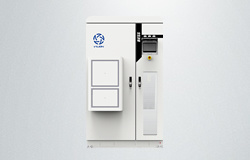
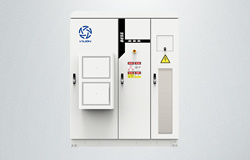
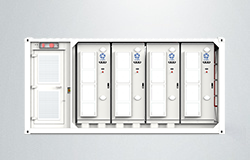
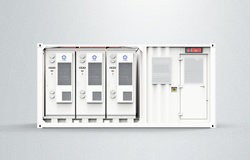
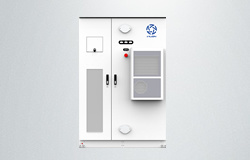

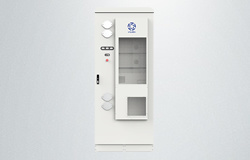
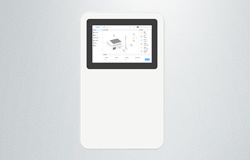
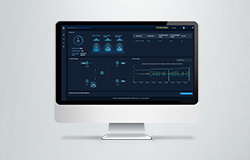



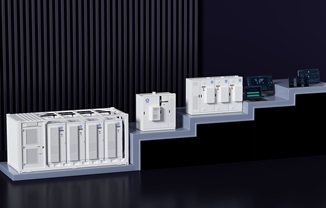


All-In-One Energy Storage: Simplifying Your Energy Needs for a Sustainable Future
2026-06-06
All-In-One Energy Storage: Simplifying Your Energy Needs for a Sustainable Future
Table of Contents
- Understanding Energy Storage Systems
- The Importance of Energy Storage in Modern Life
- Types of Energy Storage Solutions
- What Are All-In-One Energy Storage Systems?
- Benefits of Using All-In-One Energy Storage Systems
- How to Choose the Right All-In-One Energy Storage System
- Installation and Maintenance of Energy Storage Systems
- The Future of Energy Storage Technology
- Conclusion
- FAQs about All-In-One Energy Storage
Understanding Energy Storage Systems
Energy storage systems are crucial in today's energy-dependent society. They help manage the supply and demand of energy, ensuring that power is available when needed. These systems allow for the storage of energy generated from various sources, such as solar panels and wind turbines, and release it when required. Understanding how these systems work is fundamental to simplifying your energy needs.
The Importance of Energy Storage in Modern Life
As renewable energy sources continue to gain traction, the role of energy storage is becoming increasingly vital. Energy storage solutions help balance energy supply and demand, making them essential for a stable energy grid. They also enable consumers to take advantage of off-peak energy prices, enhancing economic efficiency. Moreover, energy storage systems contribute to reducing carbon footprints, making them a sustainable choice for environmentally conscious individuals and businesses.
Types of Energy Storage Solutions
Energy storage solutions come in various forms, each with unique characteristics and applications:
1. Mechanical Energy Storage
Mechanical systems, such as pumped hydro storage and flywheels, store energy in physical forms. Pumped hydro systems use gravitational potential energy, while flywheels store energy in the form of rotational motion.
2. Chemical Energy Storage
Chemical storage involves converting energy into chemical forms, such as batteries. Lithium-ion batteries are the most common, providing efficient storage for many applications, from consumer electronics to electric vehicles.
3. Thermal Energy Storage
Thermal storage systems store energy in the form of heat. They can be used for heating and cooling applications, utilizing materials such as water or molten salts to hold heat for later use.
4. Electrical Energy Storage
Electrical energy storage systems, like supercapacitors, store electricity for immediate use, providing quick bursts of energy as needed. They are ideal for applications requiring rapid energy delivery.
What Are All-In-One Energy Storage Systems?
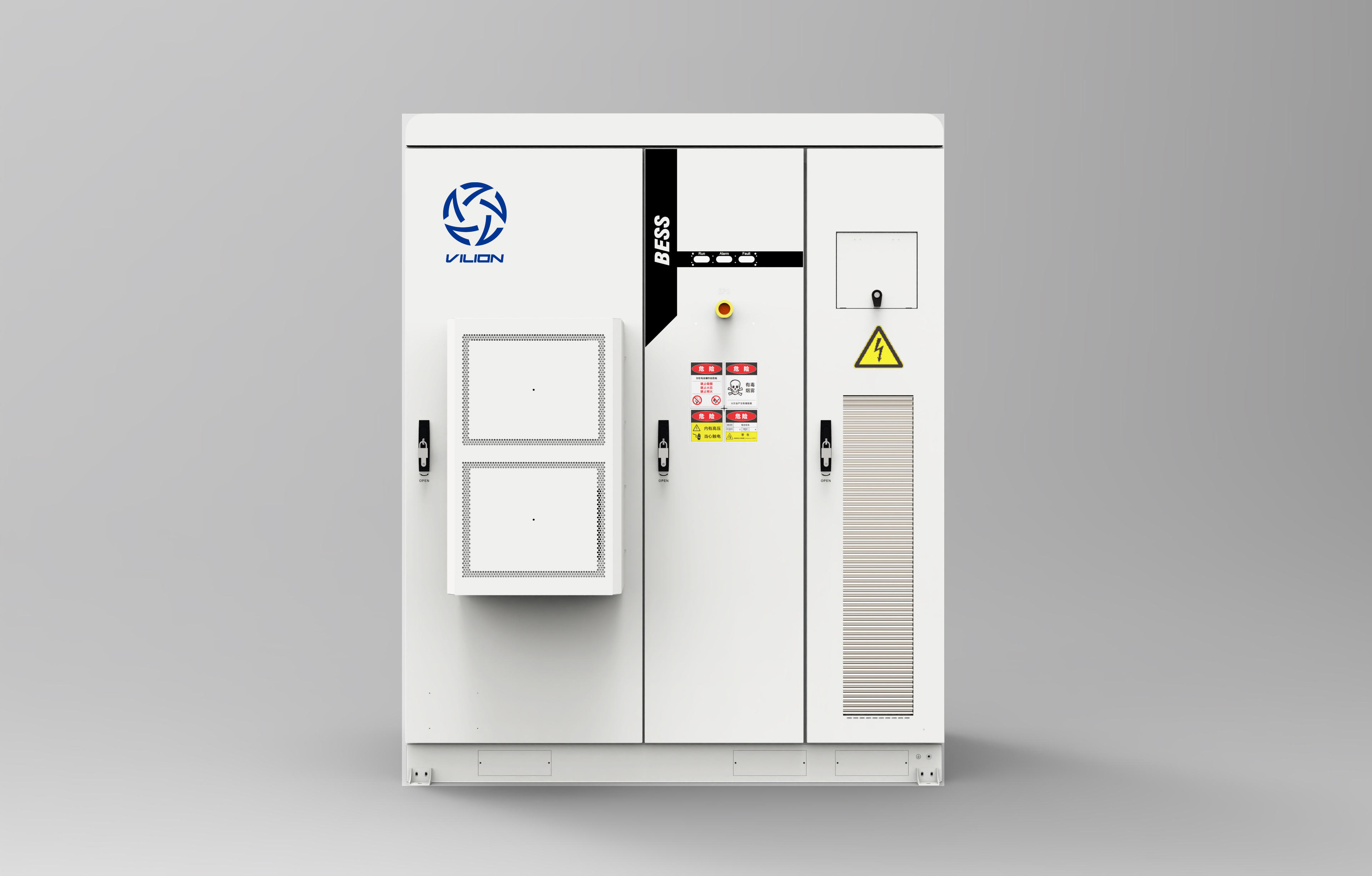
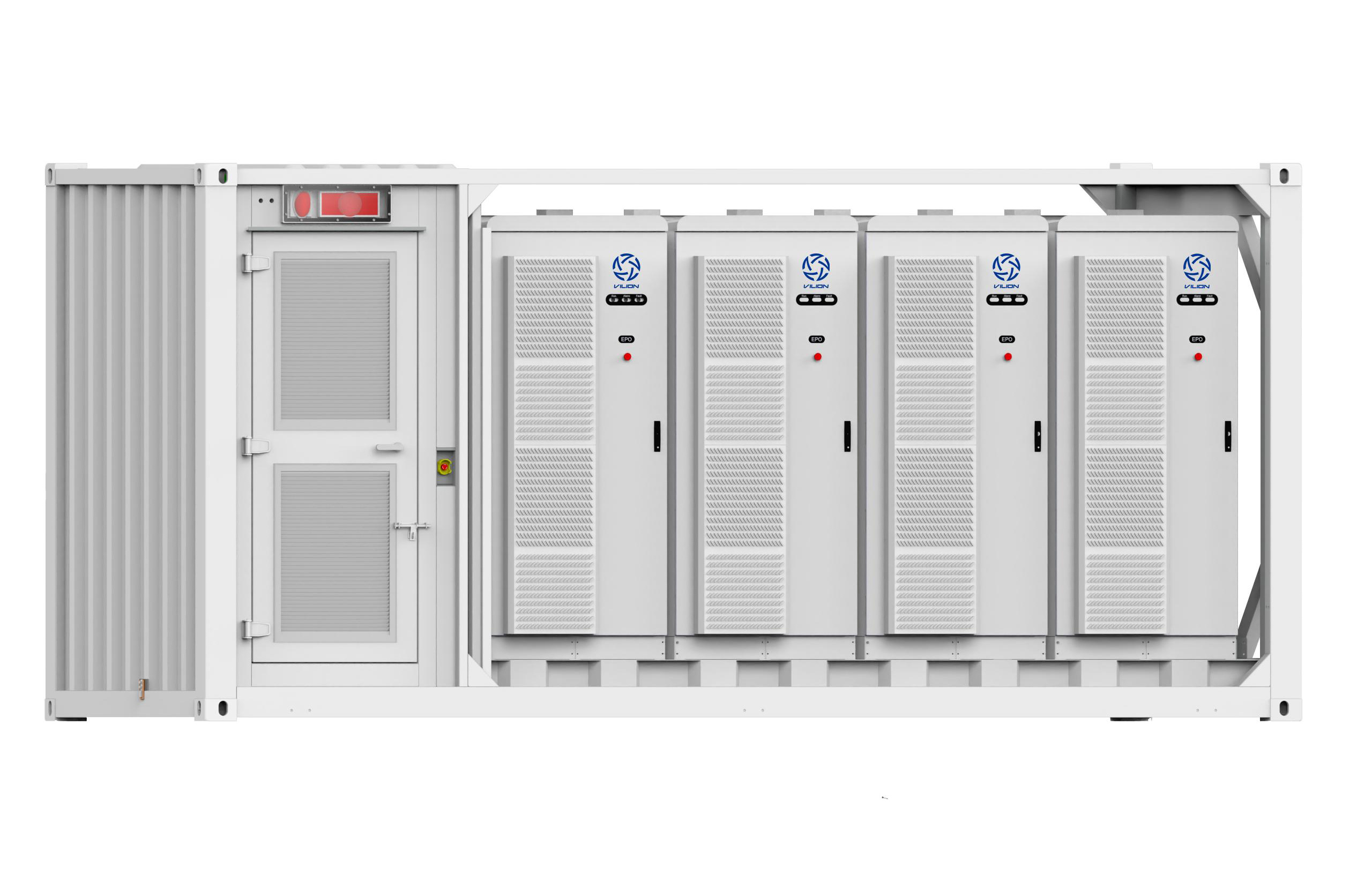
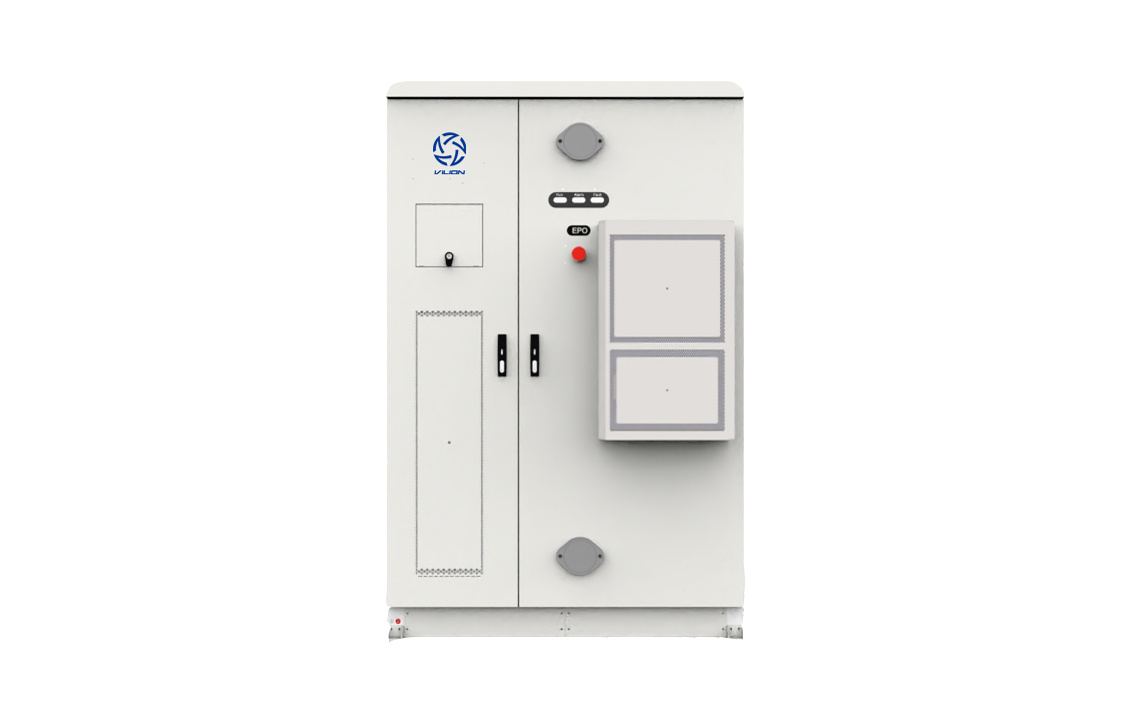
All-in-one energy storage systems combine various energy storage technologies into a single, integrated solution. These systems typically include battery storage, inverters, and energy management systems, allowing for seamless energy management. They simplify the installation process and reduce the costs associated with separate components.
Benefits of Using All-In-One Energy Storage Systems
All-in-one energy storage solutions offer numerous advantages:
1. Simplified Installation
With integrated components, all-in-one systems are easier and quicker to install, saving time and reducing labor costs.
2. Cost-Effectiveness
These systems often come at a lower upfront cost compared to purchasing separate components, making them a more budget-friendly option for consumers.
3. Space Efficiency
All-in-one systems require less space than individual components, making them ideal for residential and commercial applications where space is limited.
4. Enhanced Performance
With an integrated energy management system, all-in-one solutions optimize energy use, improve efficiency, and enhance reliability.
5. User-Friendly Interfaces
Many all-in-one energy storage systems come with intuitive interfaces that allow users to monitor and manage their energy consumption easily.
How to Choose the Right All-In-One Energy Storage System
Selecting the best all-in-one energy storage system requires careful consideration of various factors:
1. Energy Needs Assessment
Evaluate your energy consumption patterns to determine the size and capacity of the system you need. Carefully consider peak usage times to ensure your energy demands are met.
2. Storage Capacity
Choose a system with sufficient storage capacity to accommodate your daily energy needs. This may involve calculating your average daily consumption and peak load requirements.
3. Compatibility with Renewable Sources
If you are utilizing solar or wind energy, ensure the all-in-one system is compatible with these sources to maximize efficiency and savings.
4. Warranty and Support
Research the warranty offered by the manufacturer and the availability of customer support. A robust warranty indicates confidence in the product's longevity and reliability.
5. Reviews and Recommendations
Look for customer reviews and expert recommendations to gain insights into the performance and reliability of potential systems.
Installation and Maintenance of Energy Storage Systems
Proper installation and ongoing maintenance are essential for optimizing the performance of all-in-one energy storage systems. Here are some tips:
1. Professional Installation
Engage a qualified professional for installation to ensure the system is set up correctly and safely. Proper installation is crucial for optimal performance and longevity.
2. Regular Maintenance
Schedule regular check-ups and maintenance to ensure the system operates efficiently. This includes monitoring battery health, checking connections, and updating software for energy management systems.
3. Monitoring Performance
Utilize available monitoring tools to track energy production, consumption, and overall system performance. Identifying issues early can prevent potential failures and extend the system's lifespan.
The Future of Energy Storage Technology
The energy storage industry is rapidly evolving, with advancements in technology paving the way for more efficient and affordable solutions. Some trends to watch include:
1. Improved Battery Technologies
Emerging technologies, such as solid-state batteries and lithium-sulfur batteries, promise greater energy density, faster charging, and enhanced safety compared to traditional lithium-ion batteries.
2. Integration with Renewable Energy Sources
As renewable energy sources become increasingly prevalent, energy storage systems will continue to evolve to provide more efficient integration and management of these resources.
3. Smart Energy Management
Artificial intelligence and machine learning will play a significant role in optimizing energy storage systems, allowing for real-time analytics and predictive maintenance.
4. Regulations and Incentives
Government policies and incentives will continue to shape the energy storage landscape, promoting the adoption of cleaner technologies and providing financial support for consumers.
Conclusion
All-in-one energy storage systems represent a significant advancement in energy management, offering a convenient, efficient, and sustainable way to meet energy needs. These solutions simplify installation, reduce costs, and enhance performance, making them a desirable choice for both residential and commercial applications. As technology continues to evolve, embracing these systems will be crucial for achieving a more sustainable future. By understanding the various aspects of energy storage and making informed decisions, consumers can take control of their energy needs and contribute to a greener planet.
FAQs about All-In-One Energy Storage
1. What is the lifespan of an all-in-one energy storage system?
The lifespan varies by manufacturer and technology but typically ranges from 5 to 15 years with proper maintenance.
2. Can I install an all-in-one energy storage system myself?
While some systems may offer DIY installation options, hiring a professional ensures safety and optimal performance.
3. Are all-in-one energy storage systems compatible with solar panels?
Most all-in-one systems are designed to be compatible with renewable energy sources, but it's essential to verify compatibility before purchase.
4. How much energy can an all-in-one energy storage system store?
Storage capacity varies widely depending on the model, ranging from a few kilowatt-hours to several hundred kilowatt-hours.
5. What are the environmental benefits of using energy storage systems?
Energy storage systems help reduce reliance on fossil fuels, lower greenhouse gas emissions, and promote the use of renewable energy sources.
MORE NEWS

2026-10-12
The Environmental Impact of Switching to Commercial BESS Solutions

2026-10-09
Vilion Attends Rotterdam’s Annual Red Carpet Dinner to Connect and Explore Collaboration

2026-10-08
Choosing the Right Energy Storage System for Your Devices: A Comprehensive Guide

2026-10-06
Harnessing the Future: Understanding Containerized Battery Energy Storage Systems
CONTACT US
Vilion (Shenzhen) New Energy Technology Co., Ltd
Add: Tower A, Building 1, Duocai Silicon Valley, No. 8 Juhe Road, Pingshan District, Shenzhen, China
Vilion Tech B. V.
Add: Fascinatio Boulevard 216 Unit 220, 3065WB Rotterdam
Vilion Tech (UK) Ltd
Add: Office 303B 10 Courtenay Rd., East Lane Business Park, Wembley, United Kingdom HA9 7ND


Copyright©2024 Vilion (Shenzhen) New Energy Technology Co., Ltd