

-
Battery ESSMaximize the value of renewables and energy storage by much safer and more professional products.
-
C&I SolutionsLaying the efficient, flexible and economical "smart energy sponge" with energy storage technology to realize green energy to flow on demand.
-
Technology & ServicePursuing a new energy world driven by technological innovation in the electricity and IoT.
-
About VilionIndependent R&D, system integration, software development, O&M and dismantling&recycling, Vilion is a full life cycle partner.





Understanding Containerized Energy Storage Systems for the Consumer Electronics Industry
2026-06-05
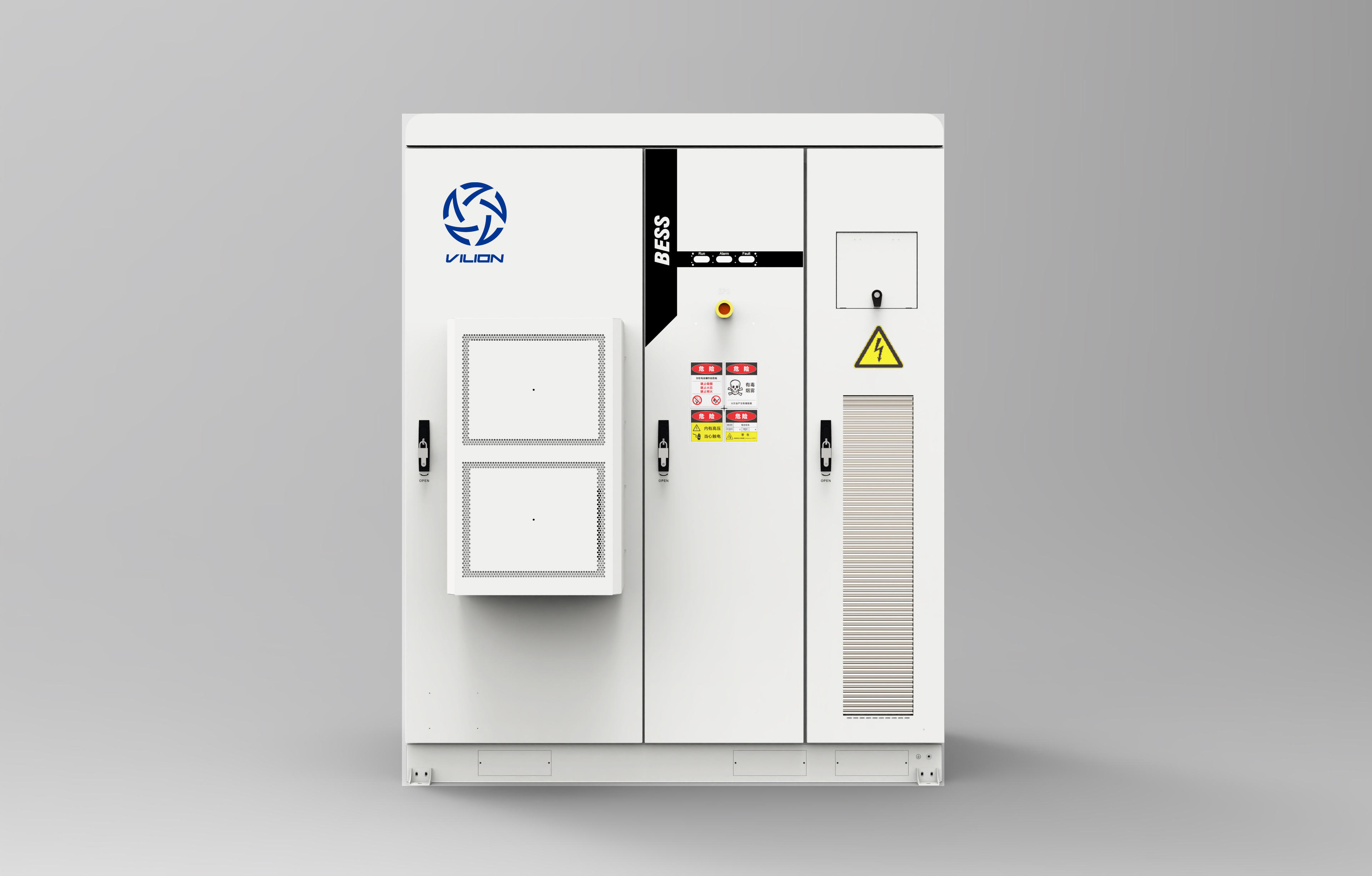
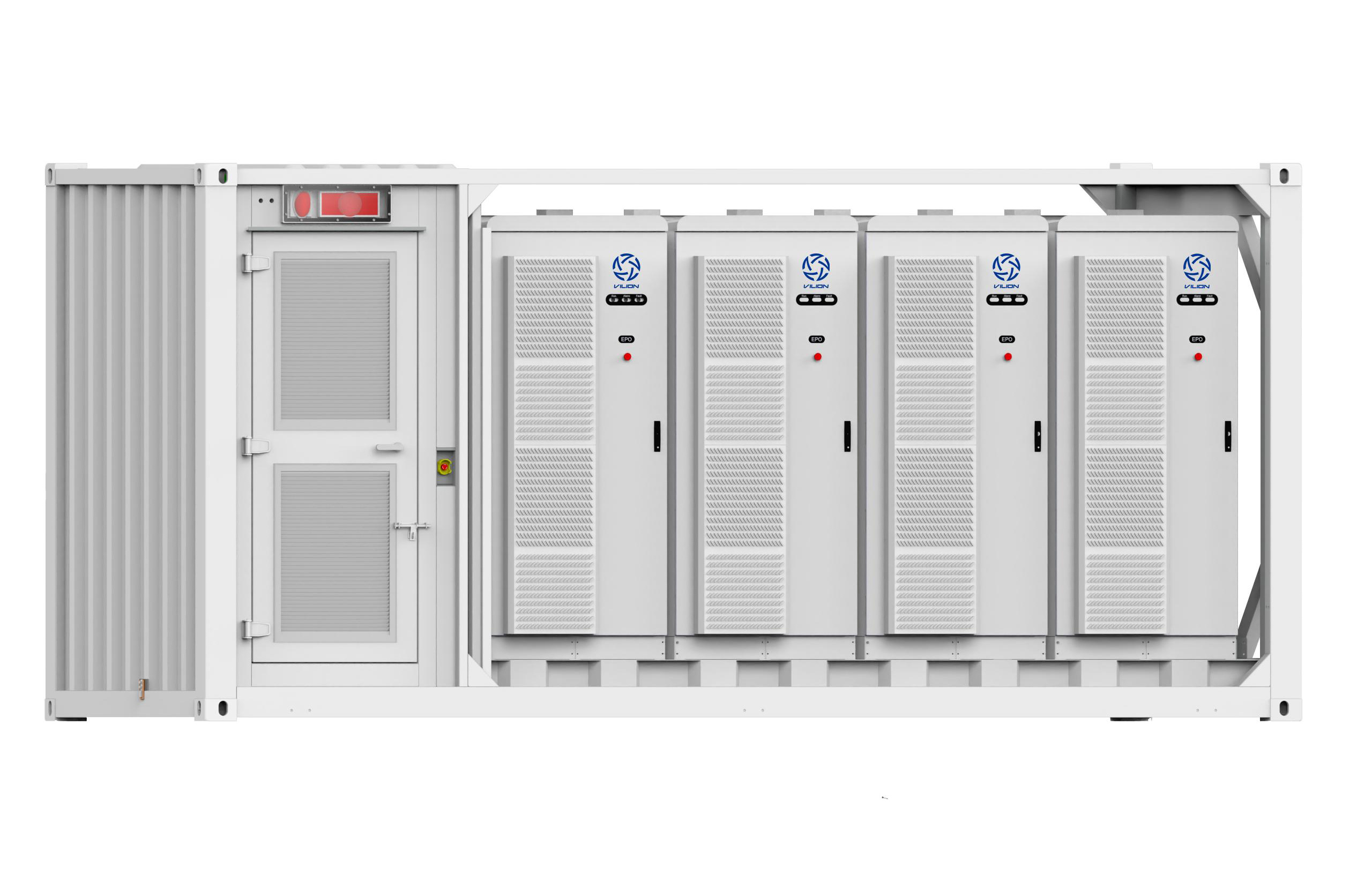
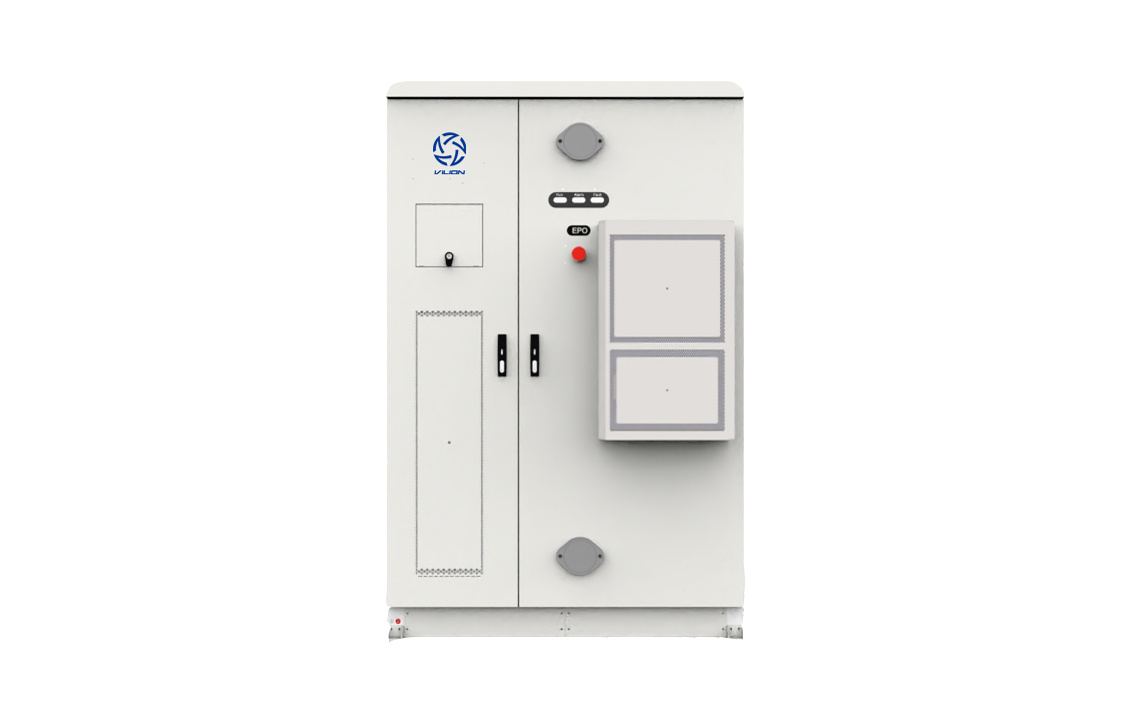
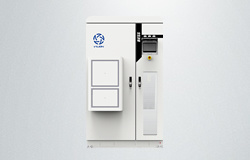
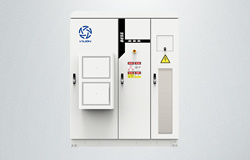
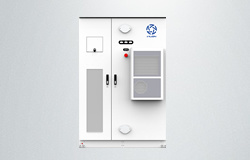
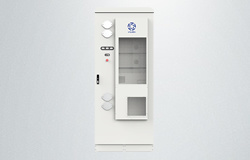
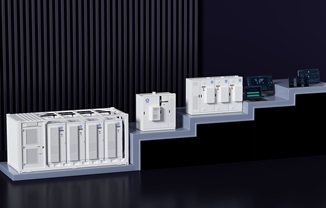
Containerized Energy Storage Systems (CESS) are pivotal innovations that offer scalable and efficient energy solutions tailored for various applications, including the consumer electronics industry, particularly in battery and charger technologies. These systems provide a modular approach to energy storage, enabling businesses to adapt their energy needs dynamically and efficiently.
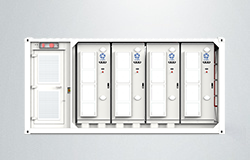
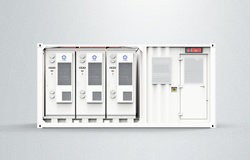
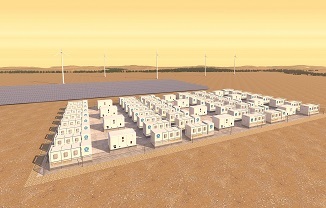
At its core, a Containerized Energy Storage System consists of battery modules housed within an industrial-grade container. This design allows for easy transport, installation, and integration into existing energy infrastructures. For companies in the consumer electronics sector, implementing CESS can significantly enhance energy efficiency, reduce downtime, and lower operational costs.
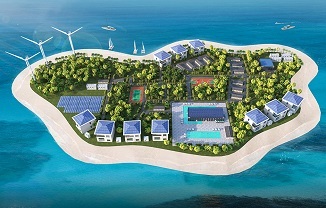
One of the primary advantages of CESS is its ability to store renewable energy sources, such as solar and wind. By utilizing a containerized system, companies can harness energy during peak production times and utilize it during high-demand periods, thus mitigating the impact of fluctuating energy prices and enhancing overall sustainability. This is particularly advantageous in the consumer electronics industry, where product demand can vary significantly throughout the day.
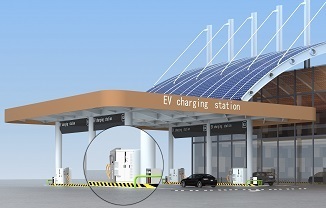
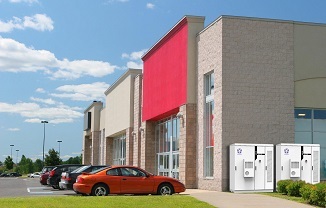
Moreover, CESS can improve the overall reliability of power supply for battery charging stations. As the demand for electric vehicles and portable devices increases, having a robust energy storage solution becomes essential. Containerized systems can provide the necessary backup power, ensuring that charging stations remain operational even during grid outages or high-load scenarios. This reliability is crucial for maintaining customer satisfaction and promoting the use of electric devices and vehicles.
Another important aspect is the scalability of Containerized Energy Storage Systems. Businesses can start with a smaller system and expand as their energy needs grow, allowing for cost-effective upgrades without major infrastructure investments. This flexibility is vital for companies looking to innovate and adapt to changing market conditions in the rapidly evolving consumer electronics landscape.
In addition to operational benefits, CESS also contributes to corporate sustainability goals. By reducing reliance on fossil fuels and optimizing energy usage, companies can significantly lower their carbon footprint. This aligns with the growing consumer demand for environmentally friendly products, making CESS not just a technical solution, but also a strategic asset in branding and market positioning.
In conclusion, Containerized Energy Storage Systems represent a transformative opportunity for businesses in the consumer electronics sector. By enhancing energy efficiency, reliability, and sustainability, CESS can significantly impact the operational capabilities and market competitiveness of companies focused on battery and charging technology. Embracing this technology is not merely about keeping up with industry trends; it’s about leading the way toward a more sustainable and efficient energy future.
At its core, a Containerized Energy Storage System consists of battery modules housed within an industrial-grade container. This design allows for easy transport, installation, and integration into existing energy infrastructures. For companies in the consumer electronics sector, implementing CESS can significantly enhance energy efficiency, reduce downtime, and lower operational costs.
One of the primary advantages of CESS is its ability to store renewable energy sources, such as solar and wind. By utilizing a containerized system, companies can harness energy during peak production times and utilize it during high-demand periods, thus mitigating the impact of fluctuating energy prices and enhancing overall sustainability. This is particularly advantageous in the consumer electronics industry, where product demand can vary significantly throughout the day.
Moreover, CESS can improve the overall reliability of power supply for battery charging stations. As the demand for electric vehicles and portable devices increases, having a robust energy storage solution becomes essential. Containerized systems can provide the necessary backup power, ensuring that charging stations remain operational even during grid outages or high-load scenarios. This reliability is crucial for maintaining customer satisfaction and promoting the use of electric devices and vehicles.
Another important aspect is the scalability of Containerized Energy Storage Systems. Businesses can start with a smaller system and expand as their energy needs grow, allowing for cost-effective upgrades without major infrastructure investments. This flexibility is vital for companies looking to innovate and adapt to changing market conditions in the rapidly evolving consumer electronics landscape.
In addition to operational benefits, CESS also contributes to corporate sustainability goals. By reducing reliance on fossil fuels and optimizing energy usage, companies can significantly lower their carbon footprint. This aligns with the growing consumer demand for environmentally friendly products, making CESS not just a technical solution, but also a strategic asset in branding and market positioning.
In conclusion, Containerized Energy Storage Systems represent a transformative opportunity for businesses in the consumer electronics sector. By enhancing energy efficiency, reliability, and sustainability, CESS can significantly impact the operational capabilities and market competitiveness of companies focused on battery and charging technology. Embracing this technology is not merely about keeping up with industry trends; it’s about leading the way toward a more sustainable and efficient energy future.
MORE NEWS

2026-10-12
The Environmental Impact of Switching to Commercial BESS Solutions
The Environmental Impact of Switching to Commercial BESS Solutions
Table of Contents
Introduction to Battery Energy Storage Systems
What is a Battery Energy Storage System (BESS)?
The Significant Environmental Benefits of BESS
How BESS Reduces Carbon Footprint
Sustainable Energy Sourcing with BESS
Cost-Effectiveness of Implementing BESS Solutions
Challenges and Misconc

2026-10-09
Vilion Attends Rotterdam’s Annual Red Carpet Dinner to Connect and Explore Collaboration
On 5 October 2026, Vilion attended Rotterdam’s annual Red Carpet Dinner at the invitation of the city’s Vice Mayor.

2026-10-08
Choosing the Right Energy Storage System for Your Devices: A Comprehensive Guide
Choosing the Right Energy Storage System for Your Devices
Table of Contents
1. Understanding Energy Storage Systems
2. Types of Batteries and Their Applications
2.1 Lithium-ion Batteries: The Modern Standard
2.2 Nickel-Metal Hydride Batteries: A Versatile Option
2.3 Lead-Acid Batteries: The Traditional Workhorse
3. Evaluating Your Device’s Power Needs
3.1 Determining Energy Consump

2026-10-06
Harnessing the Future: Understanding Containerized Battery Energy Storage Systems
Containerized Battery Energy Storage Systems (CBESS) are rapidly gaining traction as a flexible and efficient solution for energy storage, particularly in industries like consumer electronics where there is a growing demand for reliable power sources. Essentially, CBESS are modular systems that house battery systems within a secure, transportable container, enabling easy deployment and scalability
CONTACT US
Vilion (Shenzhen) New Energy Technology Co., Ltd
Add: Tower A, Building 1, Duocai Silicon Valley, No. 8 Juhe Road, Pingshan District, Shenzhen, China
Vilion Tech B. V.
Add: Fascinatio Boulevard 216 Unit 220, 3065WB Rotterdam
Vilion Tech (UK) Ltd
Add: Office 303B 10 Courtenay Rd., East Lane Business Park, Wembley, United Kingdom HA9 7ND


Copyright©2024 Vilion (Shenzhen) New Energy Technology Co., Ltd