

-
Battery ESSMaximize the value of renewables and energy storage by much safer and more professional products.
-
C&I SolutionsLaying the efficient, flexible and economical "smart energy sponge" with energy storage technology to realize green energy to flow on demand.
-
Technology & ServicePursuing a new energy world driven by technological innovation in the electricity and IoT.
-
About VilionIndependent R&D, system integration, software development, O&M and dismantling&recycling, Vilion is a full life cycle partner.
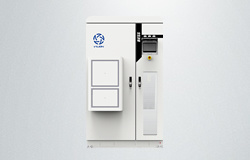
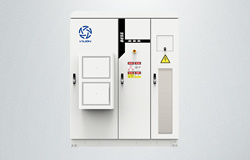
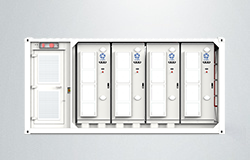
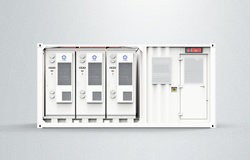





Unlocking the Future of Power: Exploring Containerized Energy Storage Systems
2026-05-26
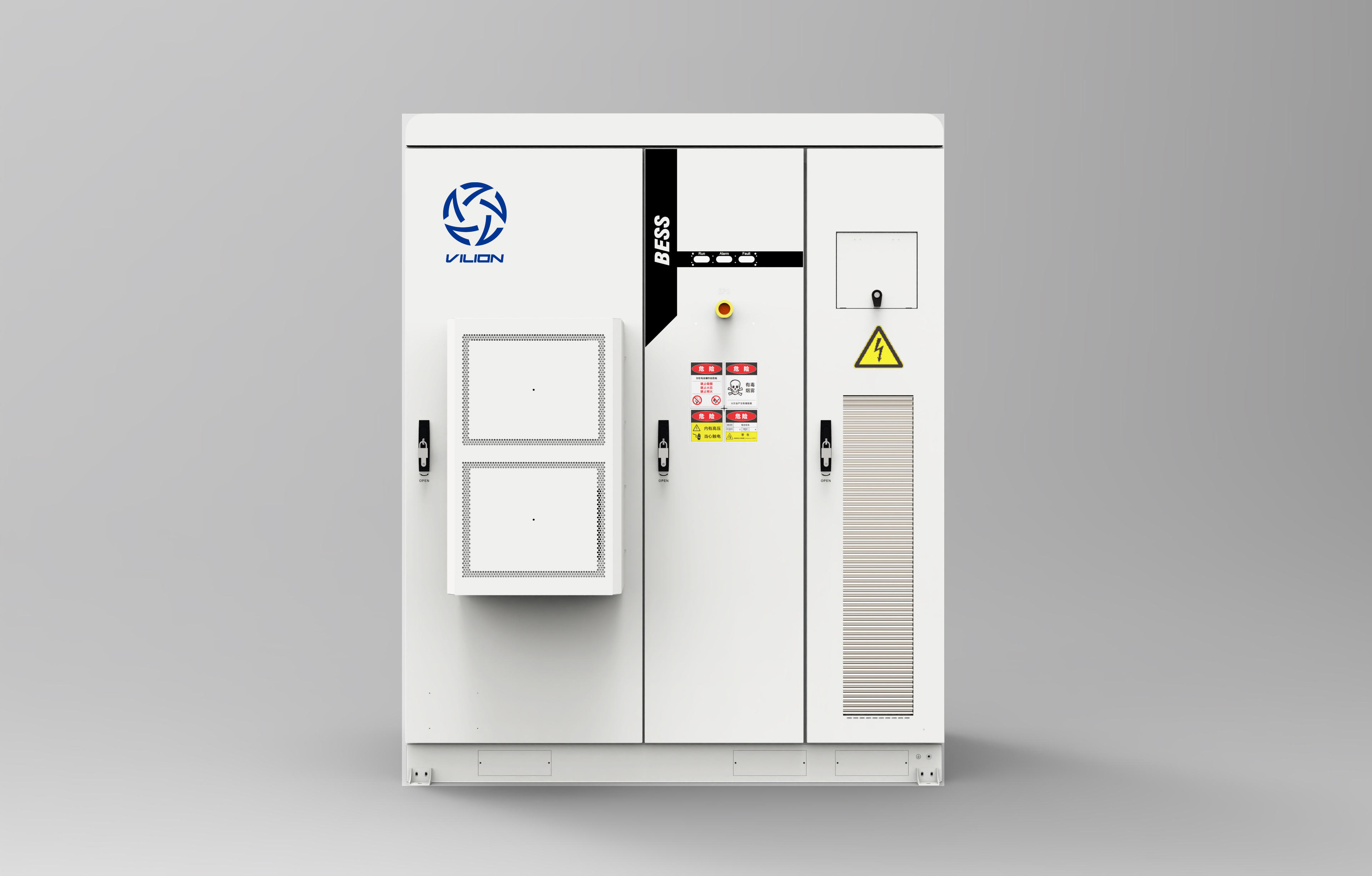
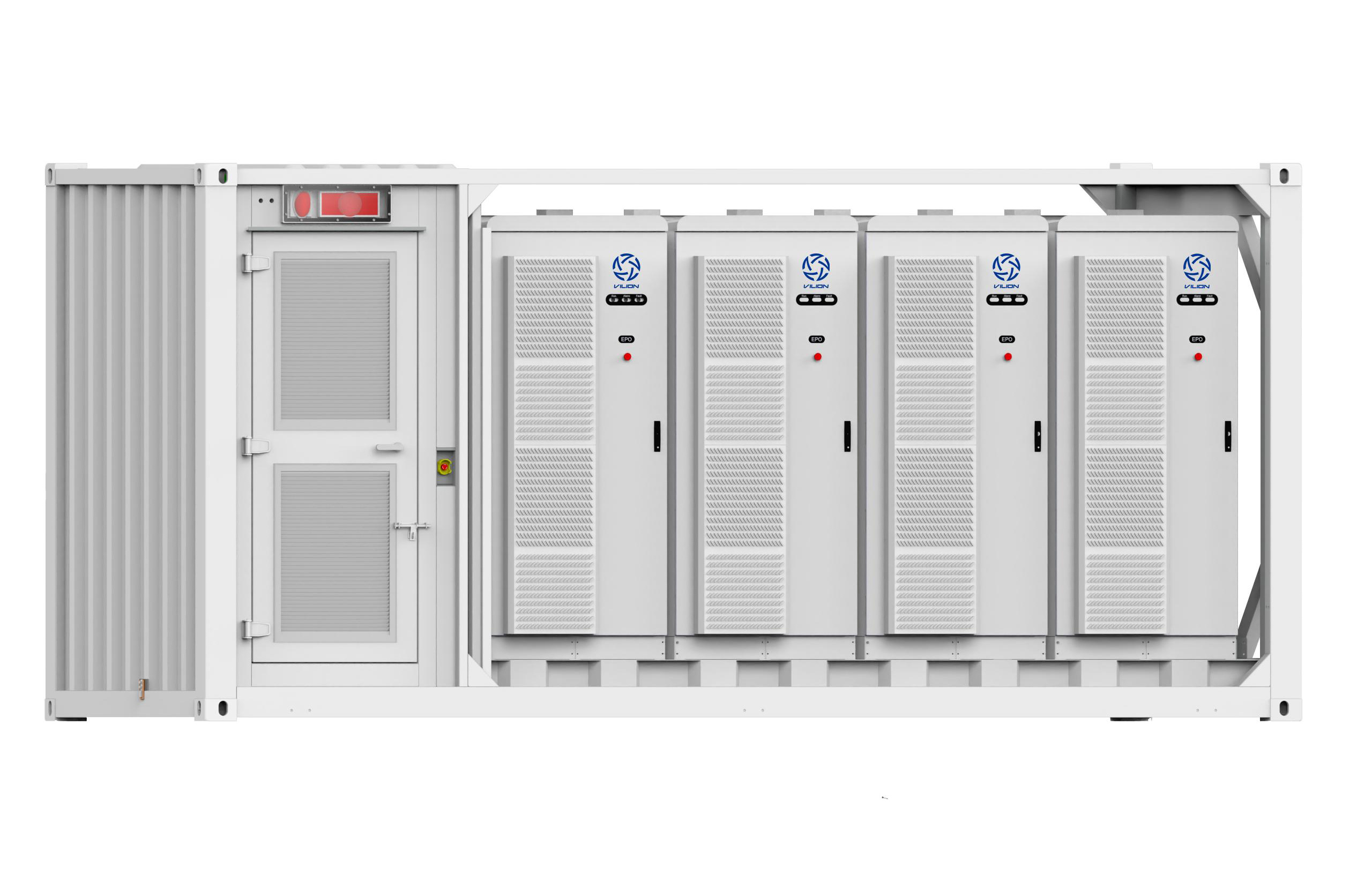
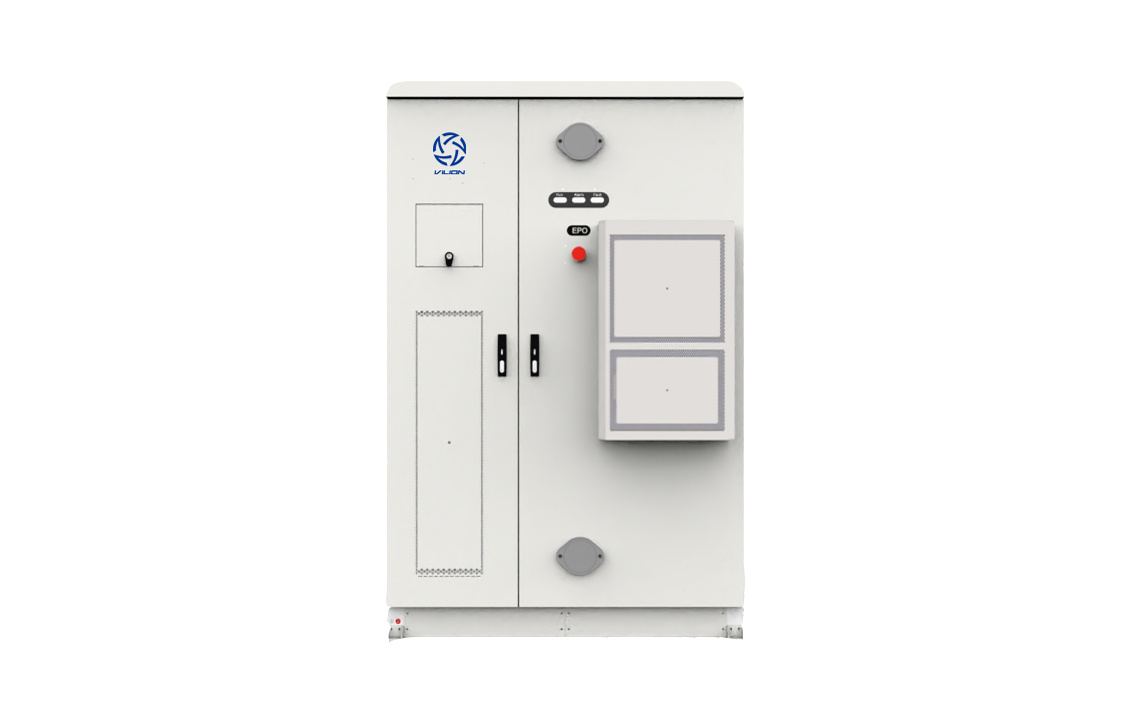
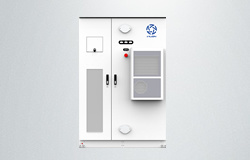
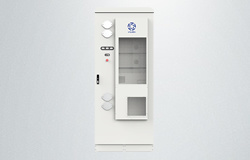
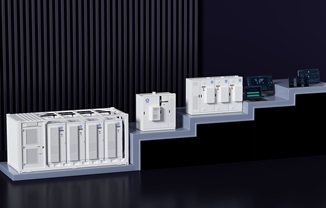
Containerized Energy Storage Systems (CESS) are transforming the way we think about energy management, particularly in industries reliant on batteries and charging technology. These systems encapsulate energy storage solutions in a modular container format, combining efficiency, scalability, and portability. The rising demand for reliable and sustainable energy sources has made CESS a focal point in advancing energy solutions, especially within the consumer electronics domain.
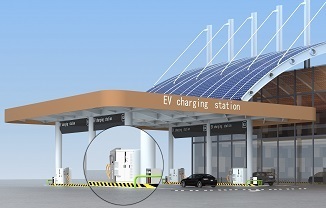
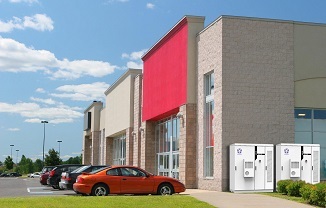
One of the primary benefits of Containerized Energy Storage Systems is their ability to provide a flexible energy solution. Unlike traditional fixed installations, CESS can be deployed in various locations, making them ideal for both urban and remote settings. This is particularly important for businesses that require backup power or need to manage fluctuating energy demands. In the consumer electronics industry, CESS can serve as a vital resource for charging stations and facilities that cater to a high volume of electronic devices.
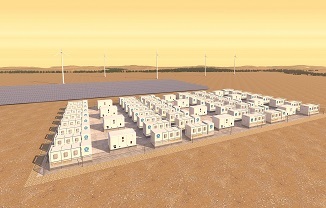
The modular design of CESS allows for easy scaling. Companies can begin with a single unit and expand their storage capacity as their needs grow. This scalability is not only cost-effective but also enables businesses to adapt to new technologies and changing market demands. For battery and charger manufacturers, this means having a robust energy storage solution that can support new innovations and the increasing complexity of charging infrastructures.
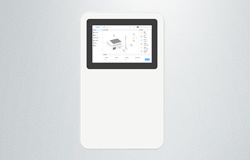
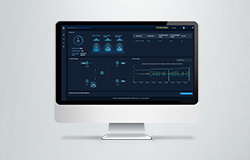
Moreover, Containerized Energy Storage Systems often incorporate advanced energy management systems that optimize performance and efficiency. These systems can include smart technology, allowing for real-time monitoring and management of energy usage. For the consumer electronics sector, this capability is critical, as it helps to minimize energy waste and reduce operational costs. Smart systems can also enhance the overall lifespan of batteries by ensuring they are charged and discharged in an optimal manner.
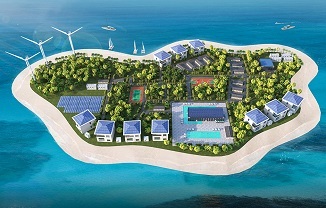
Another significant aspect of CESS is their contribution to sustainability. By utilizing renewable energy sources, such as solar or wind, containerized systems can store excess energy generated during peak production times. This not only aids in balancing energy supply and demand but also supports environmental goals by reducing reliance on fossil fuels. For companies focused on producing eco-friendly products, integrating CESS can enhance their sustainability profile and appeal to environmentally conscious consumers.
In summary, Containerized Energy Storage Systems are not just a trend but a critical advancement that can reshape energy strategies within the consumer electronics industry. Their flexibility, scalability, advanced management capabilities, and sustainability benefits position them as a key component in the future of battery and charging technology. Embracing CESS can lead to enhanced operational efficiency and a significant competitive advantage in an ever-evolving market.
One of the primary benefits of Containerized Energy Storage Systems is their ability to provide a flexible energy solution. Unlike traditional fixed installations, CESS can be deployed in various locations, making them ideal for both urban and remote settings. This is particularly important for businesses that require backup power or need to manage fluctuating energy demands. In the consumer electronics industry, CESS can serve as a vital resource for charging stations and facilities that cater to a high volume of electronic devices.
The modular design of CESS allows for easy scaling. Companies can begin with a single unit and expand their storage capacity as their needs grow. This scalability is not only cost-effective but also enables businesses to adapt to new technologies and changing market demands. For battery and charger manufacturers, this means having a robust energy storage solution that can support new innovations and the increasing complexity of charging infrastructures.
Moreover, Containerized Energy Storage Systems often incorporate advanced energy management systems that optimize performance and efficiency. These systems can include smart technology, allowing for real-time monitoring and management of energy usage. For the consumer electronics sector, this capability is critical, as it helps to minimize energy waste and reduce operational costs. Smart systems can also enhance the overall lifespan of batteries by ensuring they are charged and discharged in an optimal manner.
Another significant aspect of CESS is their contribution to sustainability. By utilizing renewable energy sources, such as solar or wind, containerized systems can store excess energy generated during peak production times. This not only aids in balancing energy supply and demand but also supports environmental goals by reducing reliance on fossil fuels. For companies focused on producing eco-friendly products, integrating CESS can enhance their sustainability profile and appeal to environmentally conscious consumers.
In summary, Containerized Energy Storage Systems are not just a trend but a critical advancement that can reshape energy strategies within the consumer electronics industry. Their flexibility, scalability, advanced management capabilities, and sustainability benefits position them as a key component in the future of battery and charging technology. Embracing CESS can lead to enhanced operational efficiency and a significant competitive advantage in an ever-evolving market.
MORE NEWS

2026-10-08
Choosing the Right Energy Storage System for Your Devices: A Comprehensive Guide
Choosing the Right Energy Storage System for Your Devices
Table of Contents
1. Understanding Energy Storage Systems
2. Types of Batteries and Their Applications
2.1 Lithium-ion Batteries: The Modern Standard
2.2 Nickel-Metal Hydride Batteries: A Versatile Option
2.3 Lead-Acid Batteries: The Traditional Workhorse
3. Evaluating Your Device’s Power Needs
3.1 Determining Energy Consump

2026-10-06
Harnessing the Future: Understanding Containerized Battery Energy Storage Systems
Containerized Battery Energy Storage Systems (CBESS) are rapidly gaining traction as a flexible and efficient solution for energy storage, particularly in industries like consumer electronics where there is a growing demand for reliable power sources. Essentially, CBESS are modular systems that house battery systems within a secure, transportable container, enabling easy deployment and scalability

2026-10-04
The Synergy of Renewable Energy and Battery Energy Storage Systems: Unlocking a Sustainable Future
The Synergy of Renewable Energy and Battery Energy Storage Systems: Unlocking a Sustainable Future
Introduction to Renewable Energy and Battery Energy Storage Systems
The world is witnessing an unprecedented shift towards renewable energy sources as we aim to mitigate climate change and create a sustainable energy future. **Renewable energy technologies** such as solar, wind, and hydroelectric pow

2026-10-02
Unlocking the Future: The Importance of High Power Battery Storage in Consumer Electronics
High power battery storage systems are designed to deliver high current output, making them ideal for applications that require bursts of energy. These systems have gained traction in the consumer electronics sector, especially in devices like smartphones, laptops, electric vehicles, and drones. The ability of these batteries to release significant amounts of energy quickly is crucial for enhancin
CONTACT US
Vilion (Shenzhen) New Energy Technology Co., Ltd
Add: Tower A, Building 1, Duocai Silicon Valley, No. 8 Juhe Road, Pingshan District, Shenzhen, China
Vilion Tech B. V.
Add: Fascinatio Boulevard 216 Unit 220, 3065WB Rotterdam
Vilion Tech (UK) Ltd
Add: Office 303B 10 Courtenay Rd., East Lane Business Park, Wembley, United Kingdom HA9 7ND


Copyright©2024 Vilion (Shenzhen) New Energy Technology Co., Ltd