

-
Battery ESSMaximize the value of renewables and energy storage by much safer and more professional products.
-
C&I SolutionsLaying the efficient, flexible and economical "smart energy sponge" with energy storage technology to realize green energy to flow on demand.
-
Technology & ServicePursuing a new energy world driven by technological innovation in the electricity and IoT.
-
About VilionIndependent R&D, system integration, software development, O&M and dismantling&recycling, Vilion is a full life cycle partner.









Revolutionizing Power: The Importance of a Battery Monitoring System
2026-04-18
Revolutionizing Power: The Importance of a Battery Monitoring System
Table of Contents
- Introduction to Battery Monitoring Systems
- What is a Battery Monitoring System?
- The Importance of Battery Monitoring Systems
- Benefits of Implementing a Battery Monitoring System
- Core Components of a Battery Monitoring System
- Latest Technologies in Battery Monitoring
- Applications of Battery Monitoring Systems
- The Future of Battery Monitoring Systems
- Frequently Asked Questions
- Conclusion
Introduction to Battery Monitoring Systems
In today's fast-paced technological landscape, the demand for efficient energy management is paramount. **Battery monitoring systems (BMS)** play a crucial role in ensuring the longevity and efficiency of batteries. Whether in consumer electronics, electric vehicles, or renewable energy systems, these systems offer real-time insights into battery health and performance. This article delves deep into the significance of battery monitoring systems, highlighting their components, benefits, and applications.
What is a Battery Monitoring System?
A **battery monitoring system** is an electronic system designed to monitor the state of a battery or a battery pack. It measures various parameters such as voltage, current, temperature, and state of charge (SOC) to provide critical information about the battery's health and performance. The primary goal of a BMS is to maximize battery lifespan and performance while ensuring safety.
Key Functions of a Battery Monitoring System
- **Real-Time Monitoring**: Continuously tracks battery performance metrics.
- **Data Logging**: Records data for historical analysis and trend identification.
- **Safety Management**: Ensures the battery operates within safe parameters, preventing overcharging, overheating, and deep discharging.
- **Communication Interface**: Provides a means for the BMS to communicate with other devices, allowing for integration into broader systems.
The Importance of Battery Monitoring Systems
Battery monitoring systems are essential for several reasons:
Maximizing Battery Life
By providing real-time data, a BMS can help maintain optimal charging and discharging cycles, significantly extending the battery's lifespan.
Enhancing Safety
A BMS prevents hazardous conditions, such as thermal runaway and overcharging, which can lead to battery failure or fire.
Improving Performance
With accurate data on battery health, users can make informed decisions about usage and maintenance, ultimately enhancing performance.
Cost Efficiency
Preventative measures offered by BMS can save users considerable costs associated with battery replacements and downtime.
Benefits of Implementing a Battery Monitoring System
The implementation of a battery monitoring system comes with numerous benefits:
1. Enhanced Battery Management
Implementing a BMS allows for better management of battery resources, ensuring that users get the most out of their battery system.
2. Predictive Maintenance
By analyzing data trends, a BMS can forecast potential issues before they become significant problems, allowing for timely maintenance.
3. Increased Reliability
A monitored battery system is more reliable, as it provides alerts and notifications about potential issues, ensuring that users are always informed.
4. Environmentally Friendly
By optimizing battery usage and lifespan, BMS contributes to sustainability efforts by reducing waste and the need for new batteries.
5. Tailored Solutions
Different applications may require customized monitoring solutions, allowing for flexibility in various industries.
Core Components of a Battery Monitoring System
A battery monitoring system consists of several core components that work together to provide comprehensive monitoring:
1. Voltage Sensors
These sensors measure the voltage of each cell in the battery pack, providing critical data for performance analysis.
2. Current Sensors
Current sensors track the charge and discharge currents, helping to maintain optimal operational parameters.
3. Temperature Sensors
Monitoring the temperature of the battery is crucial, as excessive heat can lead to damage and safety risks.
4. Control Unit
The control unit processes data from sensors and communicates with the user interface, providing real-time insights.
5. User Interface
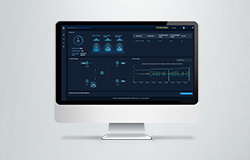
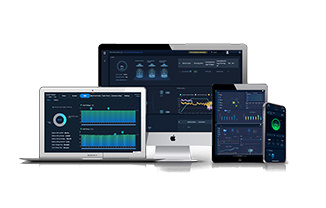
The user interface displays battery metrics and alerts, allowing users to make informed decisions.
Latest Technologies in Battery Monitoring
The technology behind battery monitoring systems is continually evolving. Some of the latest advancements include:
1. Wireless Monitoring Solutions
Wireless technologies allow for remote monitoring of battery systems, providing convenience and accessibility.
2. Artificial Intelligence Integration
AI algorithms can analyze data patterns, predicting potential battery failures and optimizing performance.
3. Advanced Data Analytics
Enhanced analytics tools provide deeper insights into battery performance, enabling better decision-making.
4. IoT Connectivity
The Internet of Things (IoT) allows for seamless integration of battery monitoring with other smart systems, creating a connected ecosystem.
Applications of Battery Monitoring Systems
Battery monitoring systems are utilized across various industries, showcasing their versatility:
1. Electric Vehicles
In electric vehicles, BMS ensures optimal battery performance, safety, and longevity.
2. Renewable Energy Systems
Solar and wind energy systems use BMS to monitor battery storage, maximizing energy efficiency.
3. Consumer Electronics
Smartphones, laptops, and other devices rely on BMS to optimize battery usage and extend lifespan.
4. Industrial Applications
In industrial settings, BMS is crucial for maintaining battery-operated machinery and equipment.
The Future of Battery Monitoring Systems
As technology continues to advance, the future of battery monitoring systems appears bright. Innovations in battery technology, such as solid-state batteries, promise to enhance performance and safety. Furthermore, the integration of AI and machine learning will allow for even more sophisticated monitoring systems, providing users with unparalleled insights into their energy resources.
Frequently Asked Questions
1. What does a battery monitoring system do?
A battery monitoring system tracks various parameters such as voltage, current, temperature, and state of charge, ensuring optimal performance and safety of the battery.
2. Why is a battery monitoring system important?
It is crucial for maximizing battery lifespan, enhancing safety, improving performance, and reducing costs associated with battery maintenance and replacements.
3. How does a battery monitoring system work?
A BMS uses sensors to measure critical parameters and a control unit to process this data, providing real-time insights and alerts to the user.
4. Can I install a battery monitoring system myself?
Installation may vary based on the complexity of the system. While some systems are user-friendly, it is recommended to consult a professional for optimal installation and integration.
5. Are battery monitoring systems expensive?
The cost of a battery monitoring system can vary based on features and complexity. However, the long-term savings from improved battery management often outweigh the initial investment.
Conclusion
Battery monitoring systems are revolutionizing the way we manage and utilize power across various applications. Their ability to provide real-time data, enhance safety, and extend battery life makes them indispensable in today's energy-driven world. As technology continues to advance, the capabilities of battery monitoring systems will expand, offering even greater benefits to users. Embracing these systems not only leads to cost savings but also contributes to a more sustainable energy future. Investing in a reliable battery monitoring system today is a step towards efficient and safe energy management tomorrow.
MORE NEWS

2026-10-12
The Environmental Impact of Switching to Commercial BESS Solutions
The Environmental Impact of Switching to Commercial BESS Solutions
Table of Contents
Introduction to Battery Energy Storage Systems
What is a Battery Energy Storage System (BESS)?
The Significant Environmental Benefits of BESS
How BESS Reduces Carbon Footprint
Sustainable Energy Sourcing with BESS
Cost-Effectiveness of Implementing BESS Solutions
Challenges and Misconc

2026-10-09
Vilion Attends Rotterdam’s Annual Red Carpet Dinner to Connect and Explore Collaboration
On 5 October 2026, Vilion attended Rotterdam’s annual Red Carpet Dinner at the invitation of the city’s Vice Mayor.

2026-10-08
Choosing the Right Energy Storage System for Your Devices: A Comprehensive Guide
Choosing the Right Energy Storage System for Your Devices
Table of Contents
1. Understanding Energy Storage Systems
2. Types of Batteries and Their Applications
2.1 Lithium-ion Batteries: The Modern Standard
2.2 Nickel-Metal Hydride Batteries: A Versatile Option
2.3 Lead-Acid Batteries: The Traditional Workhorse
3. Evaluating Your Device’s Power Needs
3.1 Determining Energy Consump

2026-10-06
Harnessing the Future: Understanding Containerized Battery Energy Storage Systems
Containerized Battery Energy Storage Systems (CBESS) are rapidly gaining traction as a flexible and efficient solution for energy storage, particularly in industries like consumer electronics where there is a growing demand for reliable power sources. Essentially, CBESS are modular systems that house battery systems within a secure, transportable container, enabling easy deployment and scalability
CONTACT US
Vilion (Shenzhen) New Energy Technology Co., Ltd
Add: Tower A, Building 1, Duocai Silicon Valley, No. 8 Juhe Road, Pingshan District, Shenzhen, China
Vilion Tech B. V.
Add: Fascinatio Boulevard 216 Unit 220, 3065WB Rotterdam
Vilion Tech (UK) Ltd
Add: Office 303B 10 Courtenay Rd., East Lane Business Park, Wembley, United Kingdom HA9 7ND


Copyright©2024 Vilion (Shenzhen) New Energy Technology Co., Ltd